
Breaking down the microbiology world one bite at a time
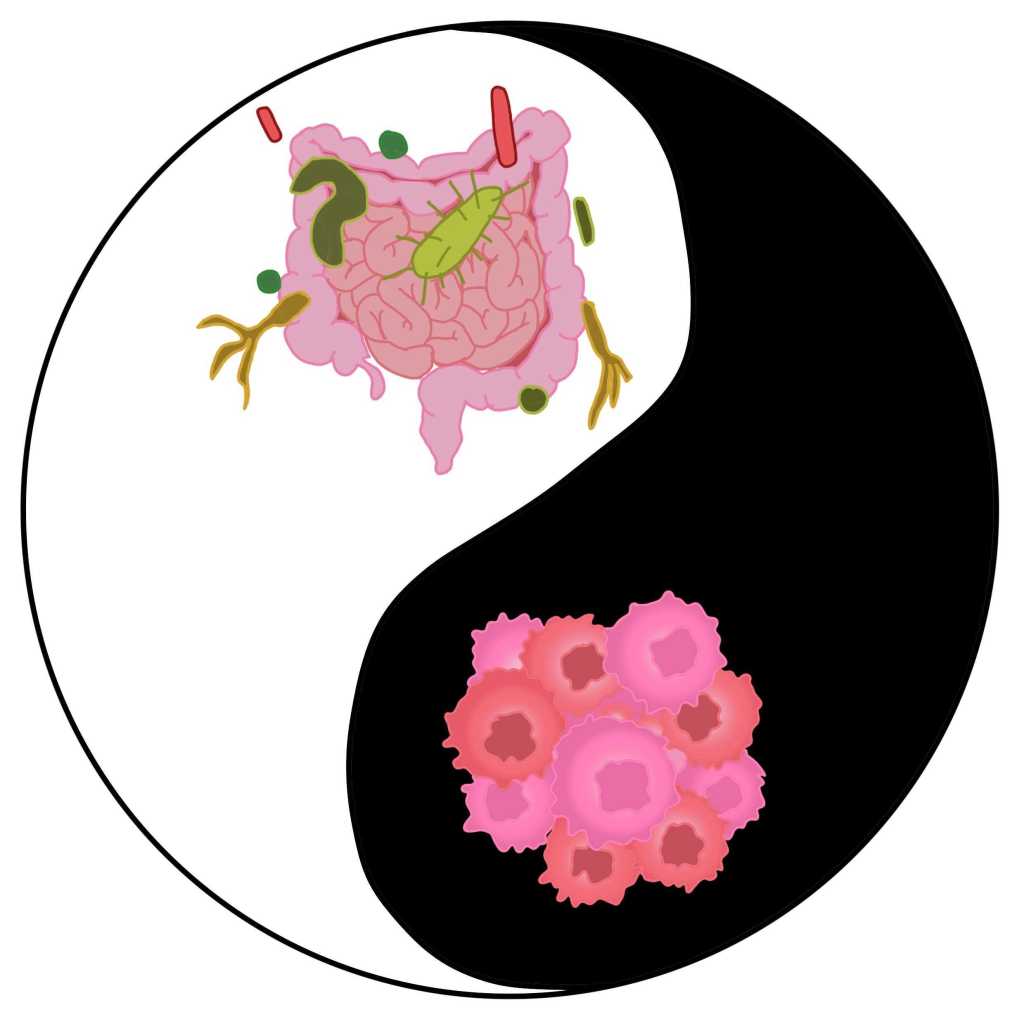
Yin and Yang- The Gut Microbiome and Cancer
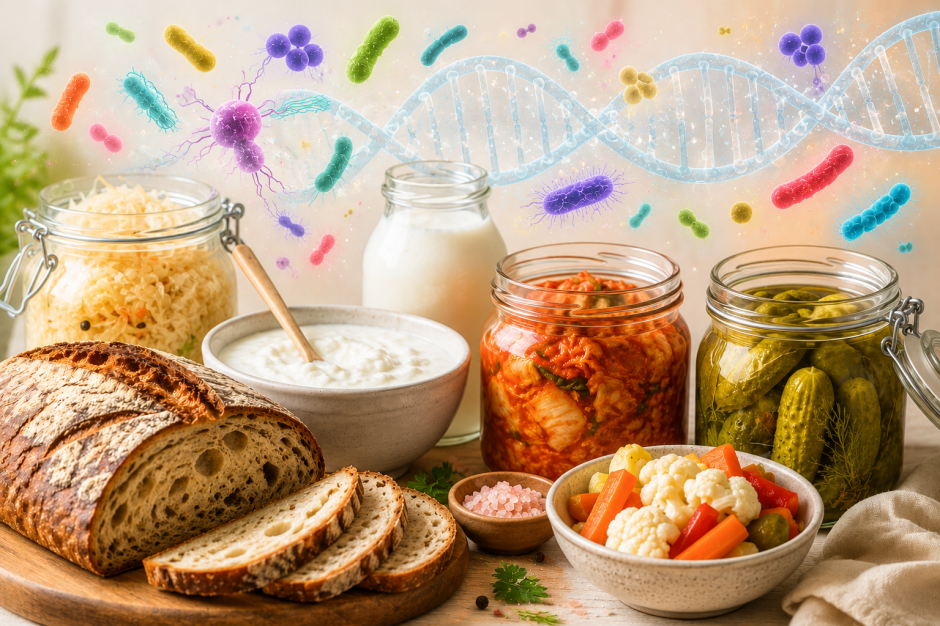
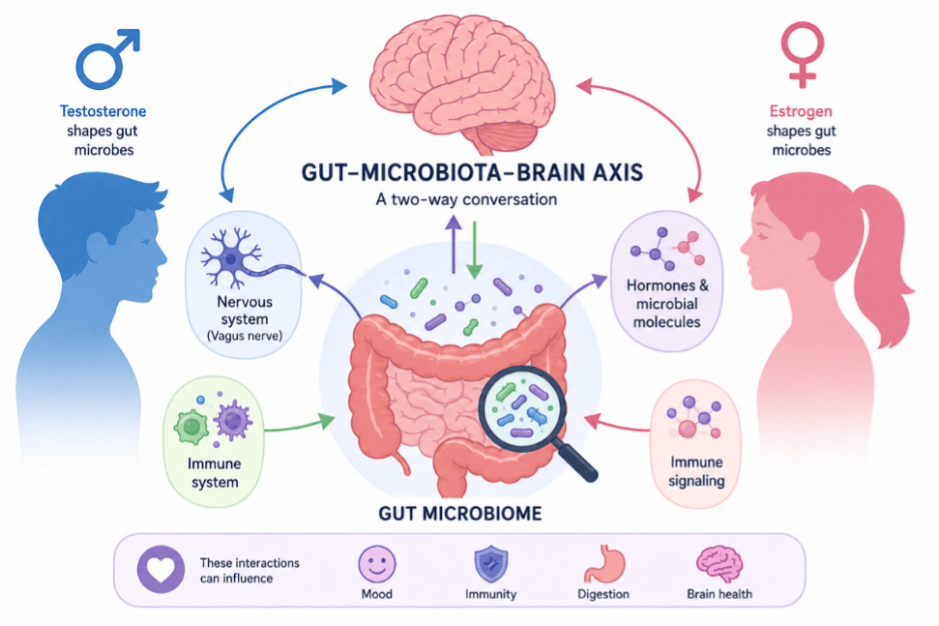
The human gut contains trillions of microorganisms that do much more than just aid digestion. Emerging research shows these microbes communicate with tissues throughout the body, and depending on the signals sent, this chatter can assist the body against cancer or help drive it forward. Understanding the mechanisms behind this communication and the habits that shape it is becoming a major field in cancer biology. A recent review summarizes the state of the research and impact on the connecting frontiers.
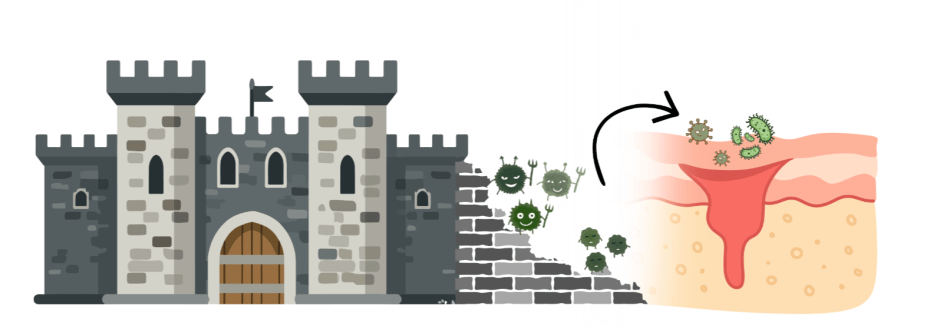
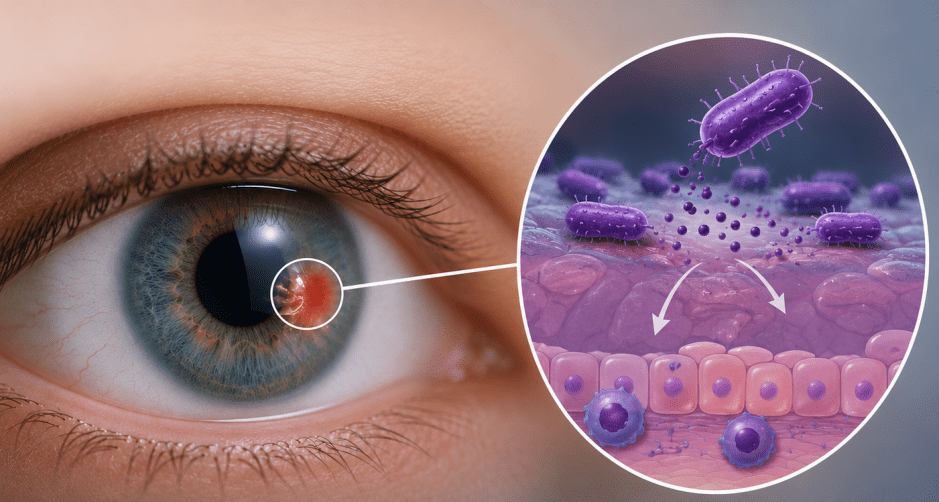
Microbes influence cells through two distinct pathways: contact-dependent and independent mechanisms. Contact-dependent signaling requires direct interaction between a microbe and the original tissue. Helicobacter pylori, the bacterium responsible for most stomach cancers, is an example of this. It burrows through the stomach’s protective mucosal layer to reach epithelial cells, then secretes a toxin (called CagA) that damages DNA. Prolonged exposure to the bacterium and the toxin substantially raises cancer risk. Similarly, certain strains of E. coli produce a compound called colibactin, which physically binds and chemically alters DNA in colon cells, increasing colorectal cancer risk. Researchers have even found bacteria living inside tumors!
Contact-independent signaling works differently. Through this pathway, bacteria release metabolites that travel through the bloodstream and affect distant tissues. These molecules can enter cells and inhibit enzymes called histone deacetylases (HDACs). HDACs can change how tightly DNA is packaged and, therefore, which genes get switched on or off without altering the DNA sequence itself. Because these signaling pathways depend heavily on which microbial species are present and what metabolites they produce, everyday lifestyle factors have an influence on cancer risk through the microbiome, and diet is the most direct lever in this context. A fiber-rich diet supports bacteria, reinforcing the anti-inflammatory, HDAC-inhibiting signals described above.
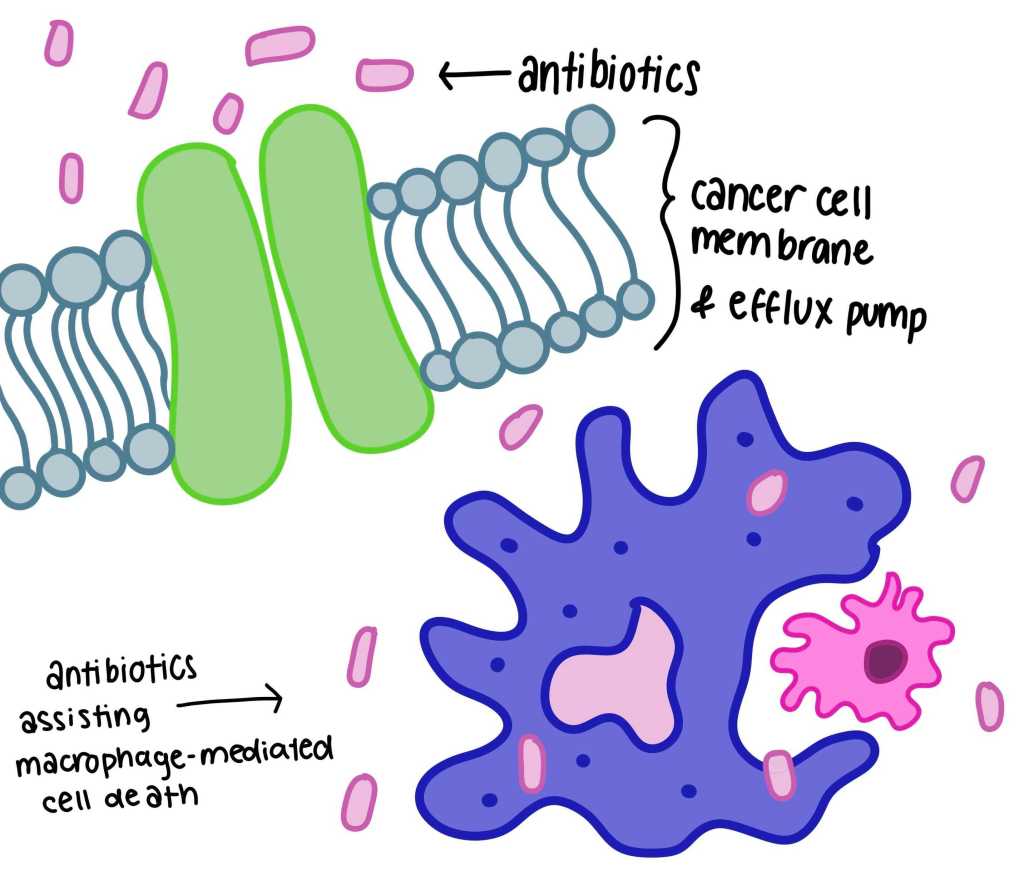
If microbial signaling can promote cancer, it might also be redirected to fight it. Researchers are currently exploring how antibiotics may be used as more than infection control in the realm of cancer therapies. Some antibiotics like ciprofloxacin block pumps that cancer cells use to expel chemotherapy, while also encouraging immune cells called macrophages to adopt a tumor-fighting state (see image below). Doxycycline, a commonly prescribed antibiotic, has been shown to damage cancer cell mitochondria and reduce growth. Some antibiotics have even shown a synergistic, or “working together,” effect alongside traditional chemotherapies.
These findings reframe the gut microbiome as far more than a digestive bystander. It is an active participant in cancer biology with the capacity to damage DNA, send growth signals from afar, and influence how the immune system responds to tumors.
Link to the original post: The Gut Microbiome and Its Multifaceted Role in Cancer Metabolism, Initiation, and Progression: Insights and Therapeutic Implications https://pmc.ncbi.nlm.nih.gov/articles/PMC12032467/
Featured image: Created by author