
Breaking down the microbiology world one bite at a time
Looking Beyond Lactobacillus
Standing in the supplement aisle, you’re confronted by dozens of probiotic bottles, each promising everything from better digestion to improved vaginal health. The labels may differ in color, branding, and bold health claims, but flip them over to find a familiar list of names: Lactobacillus, Bifidobacterium. To most shoppers, these microscopic ingredients are little more than unpronounceable, but to microbiologists, they’re the familiar species that have dominated probiotic research and commercial products for decades. That familiarity, however, may also be their greatest limitation.
A new study published in Nature Microbiology suggests that scientists may have been choosing which bacteria are used in probiotics based on what is easier to grow, manufacture, and study in the laboratory, rather than what they can actually accomplish inside the body.. Instead of asking, “which bacteria have we always used?” the researchers pose a different question: “which bacteria perform the functions we actually need?”
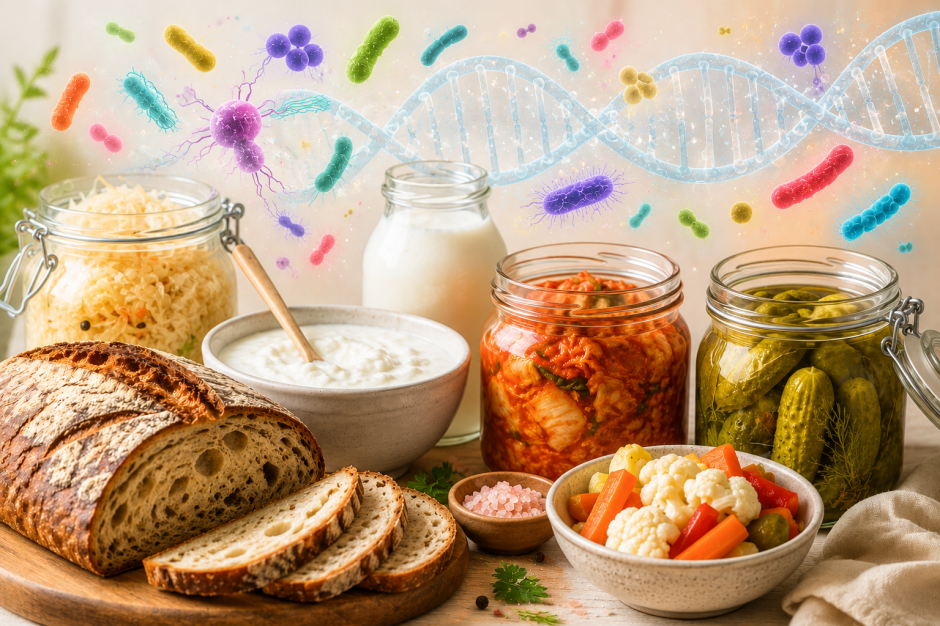
The question required them to reconsider what a probiotic is in the first place. Despite their reputation, bacteria are not inherently harmful. The trillions of microbes living on and inside the human body help digest food, produce vitamins, bolster the immune system, and prevent disease-causing organisms from gaining a foothold. Probiotics are living microorganisms intended to reinforce these beneficial communities. Historically, however, choosing which microbes belong in a probiotic has been driven as much by convenience as by biology. Species like Lactobacillus and Bifidobacterium have long records of safe use, grow readily in the laboratory, and survive commercial production. All of these qualities made them obvious candidates long before scientists understood the complexity of the human microbiome.
The researchers examined hundreds of commercially available probiotic products and found that they represent only a narrow slice of the microbial diversity found in the human body. More importantly, they argue that bacterial identity may be the wrong place to start. Instead of focusing on species names, the team focused on metabolism, the chemical processes used by microbes to make energy, build new molecules, and interact with their environment. They asked which nutrients different bacteria consume, what molecules they release, and whether those molecules help or hinder neighboring microbes. In other words, rather than asking who is present, they asked what each microbe can do. Two closely related bacterial species may behave very differently within a microbial community, while distantly related microbes can perform remarkably similar metabolic functions.
Unfortunately, answering all these questions experimentally for thousands of bacterial species would take years. Rather than simply sequencing bacterial DNA, the researchers built genome-scale metabolic models, which are computer simulations that predict how bacteria consume nutrients, produce metabolites, and interact with their environment and neighboring microbes. Running thousands of these virtual interactions allows researchers to identify potential microbial partnerships and conflicts before performing laboratory experiments.
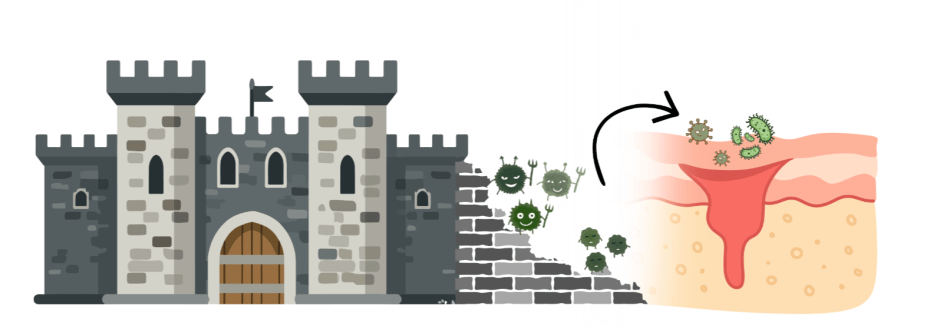
The researchers chose the vaginal microbiome as a real-world test case because it is relatively well characterized. However, existing probiotic therapies based on this microbiome have had mixed success. In a healthy vaginal microbiome, Lactobacillus species dominate, producing lactic acid that keeps the environment acidic and discourages the growth of harmful bacteria. When this balance is disrupted, a state known as dysbiosis, the vaginal microbiome becomes more diverse, vaginal pH rises, and bacteria such as Gardnerella vaginalis can proliferate. This imbalance is commonly associated with bacterial vaginosis, one of the most common vaginal infections worldwide.
Using their computational models, the researchers predicted several native vaginal bacteria that should inhibit Gardnerella. Laboratory experiments confirmed many of those predictions and identified D-lactic acid production as one of the metabolic traits associated with suppressing the pathogen. These studies demonstrated that function-based screening can uncover promising probiotic candidates beyond the traditional Lactobacillus species.
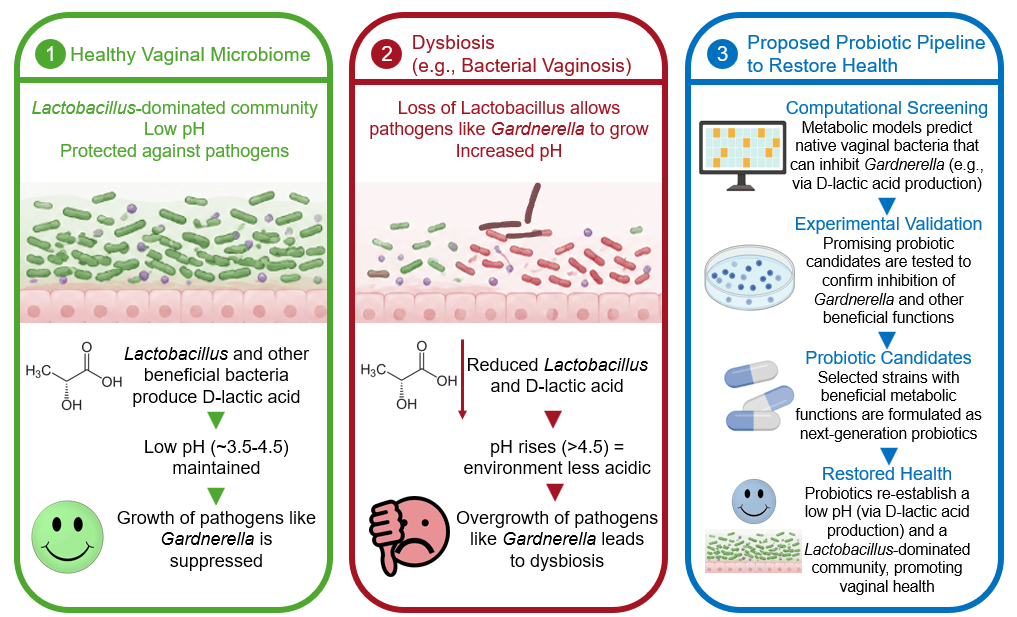
Importantly, the study does not introduce a new treatment for bacterial vaginosis. Instead, it provides a framework for identifying promising probiotic candidates that can be tested in future clinical studies.
The implications extend well beyond vaginal health. Rather than relying on the same handful of bacteria that have filled supplement bottles for decades, future probiotics could be designed for specific body sites, tailored to individual patients, or assembled as communities of complementary microbes.
If that future arrives, choosing a probiotic may no longer mean selecting from shelves lined with nearly identical bacterial species. Instead, the microbes inside the bottle could be picked for the specific metabolic jobs they perform, turning probiotics from products based largely on precedent into therapies designed with the understanding and precision of modern microbiology.
Additional Sources:
To read additional insights on the vaginal microbiome, click here or here.
To read more about vaginal dysbiosis, click here, here, or here.
Link to the original post: Glass, E.M.; Kolling, G.L.; Papin, J.A. Genome-scale metabolic modelling identifies vaginal microbiome members as potential probiotics. Nat. Microbiol. (2026). https://doi.org/10.1038/s41564-026-02380-w
Featured image: CDC/Dr. Mike Miller, Public Health Image Library (PHIL #1048), Public Domain. https://commons.wikimedia.org/wiki/File%3ALactobacillus_sp_01.png