
Breaking down the microbiology world one bite at a time
New molecule combats antibiotic resistance in Staphylococcus bacteria
In the escalating evolutionary arms race between human medicine and bacterial pathogens, humanity has desperately needed a new playbook. For decades, the rise of multi-drug resistant superbugs like Methicillin-resistant Staphylococcus aureus (MRSA) has outpaced our antibiotic pipeline, turning once routine infections into lethal threats.
In May 2026, researchers at Umeå University in Sweden unveiled an entirely new class of synthetic compounds that might just turn the tide. Dubbed “TriPcides”, these molecules dismantle bacteria’s ability to cause tissue damage and successfully eliminate “persister” cells. These cells are the dormant, metabolically inactive bacteria who usually survive antibiotic onslaughts to cause chronic, relapsing infections.
Traditional antibiotics typically target critical bacterial processes like cell wall synthesis or DNA replication. While effective initially, this heavy-handed approach applies massive evolutionary pressure, driving bacteria to quickly develop mutations and resist the drugs (what is known as antibiotic resistance).
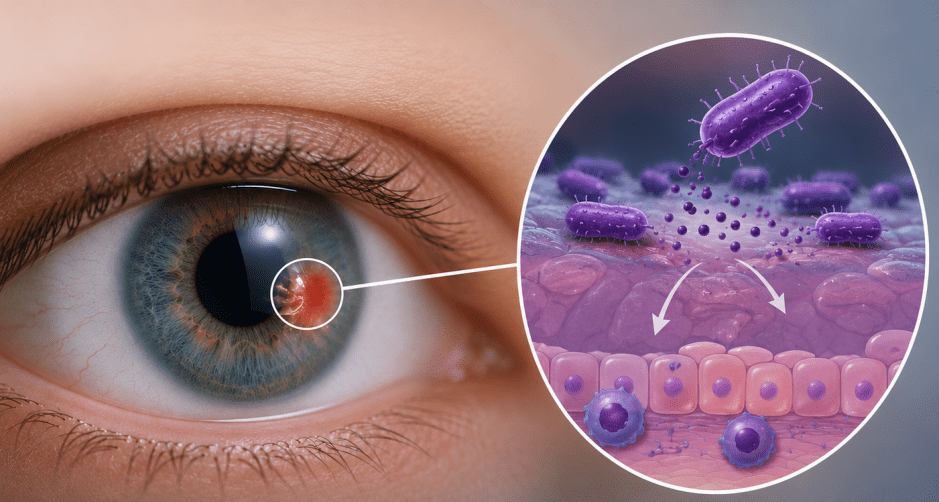
TriPcides employ a far more sophisticated, multi-pronged mechanism. By altering bacterial cell membrane metabolism, TriPcides disrupt the bacterium’s ability to secrete “virulence factors”—the toxic proteins and enzymes S. aureus uses to damage host tissues and evade the human immune system.
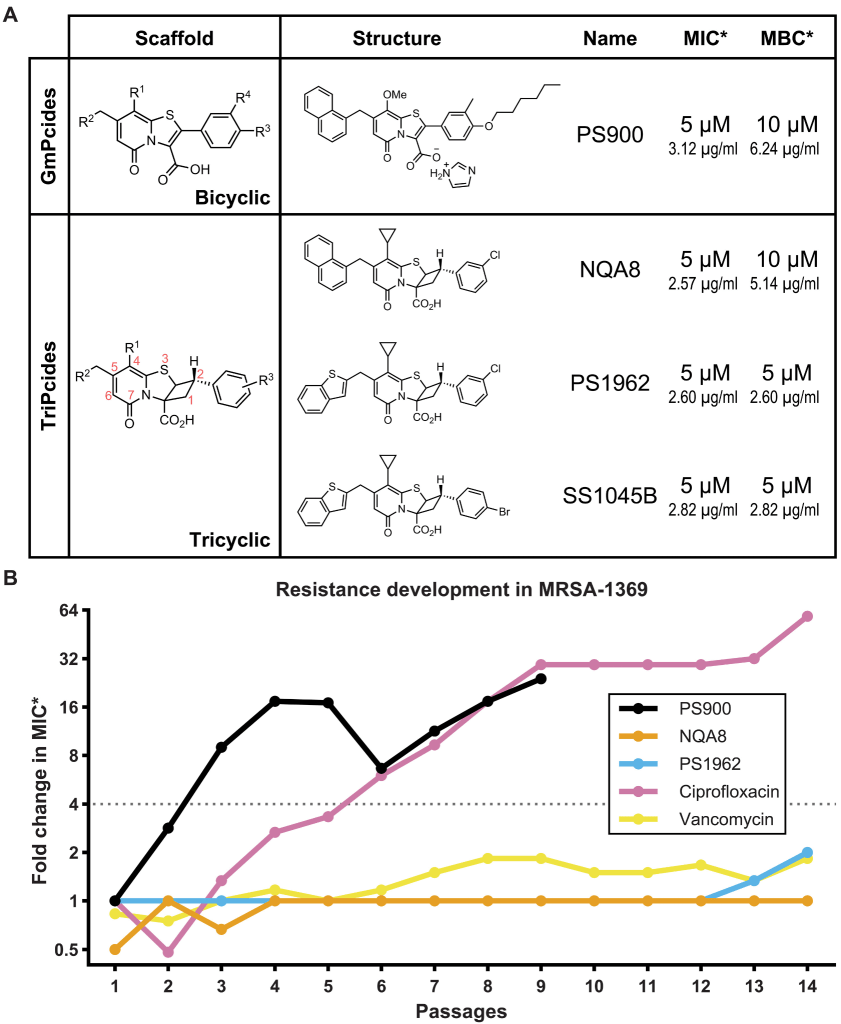
“We have developed an entirely new class of compounds with very promising antibacterial properties,” said Fredrik Almqvist, a Professor at the Department of Chemistry at Umeå University and one of the study’s lead authors. “What stands out is that the bacteria we have studied do not easily develop resistance to these synthetic antibiotics. We have also not observed any existing resistance in a wide range of clinical isolates, which is encouraging.”
Perhaps the most clinically significant finding of the study is the efficacy of TriPcides against “persister cells.”
When an infection is treated with standard antibiotics, the drugs successfully wipe out active, dividing bacteria. However, a tiny fraction of the population enters a state of deep metabolic dormancy. These persister cells stop dividing and essentially go to sleep, rendering them completely invisible to drugs that rely on active bacterial growth to work. Once the course of antibiotics concludes, these sleeper cells “wake up,” resume dividing, and trigger a devastating relapse.
“Our TriPcides also showed activity against persister cells, which is very exciting,” Almqvist explained. By disrupting the membranes of these inactive cells, TriPcides can eradicate the reservoir of chronic infections, offering hope for patients who suffer from recurring, difficult-to-treat staph infections.
Beyond addressing the biological threat of antibiotic resistance, effective new treatments like TriPcides could drastically reshape public healthcare economics. Resistant infections currently demand prolonged hospital stays, highly toxic secondary drug regimens, and repeated medical interventions, stretching healthcare infrastructure to its limits. A drug class that can rapidly clear an infection and prevent it from coming back would free up invaluable hospital resources and reduce patient mortality rates worldwide.
“This study is the first to investigate this new type of antibiotic and offers hope that we can continue developing effective new treatments,” Almqvist noted. “We may be moving towards a new and effective option for combating infectious diseases.”
Link to the original post: Hasan Tükenmez et al. ,Tunable TriPcides suppress virulence factor secretion during Staphylococcus aureus infection and kill dormant cells.Sci. Adv. 12, eaec9100 (2026). DOI: 10.1126/sciadv.aec9100
Additional sources
- European Respiratory Journal 2009 34(5): 1190-1196; DOI: https://doi.org/10.1183/09031936.00007709
- Kim Lewis. 2010. Persister Cells. Annual Review Microbiology. 64:357-372. https://doi.org/10.1146/annurev.micro.112408.134306
- Marianne Frieri, Krishan Kumar, Anthony Boutin,
- Antibiotic resistance,Journal of Infection and Public Health,Volume 10, Issue 4,2017,Pages 369-378,ISSN 1876-0341,https://doi.org/10.1016/j.jiph.2016.08.007
- Garallah, E. T., Abid, S. A., Aziz, R. N., Aziz, S. N., Al-Kadmy, I. M. S., Hetta, H. F., & Ramadan, Y. N. (2025). Bacterial dormancy: strategies and molecular mechanisms for a sleeping beauty systemReviews and Research in Medical Microbiology https://doi.org/10.1097/MRM.0000000000000422
- Lewis, K. (2012). Persister Cells: Molecular Mechanisms Related to Antibiotic Tolerance. In: Coates, A. (eds) Antibiotic Resistance. Handbook of Experimental Pharmacology, vol 211. Springer, Berlin, Heidelberg. https://doi.org/10.1007/978-3-642-28951-4_8
- Cerceo, E., Deitelzweig, S. B., Sherman, B. M., & Amin, A. N. (2016). Multidrug-resistant gram-negative bacterial infections in the hospital setting: overview, implications for clinical practice, and emerging treatment options. Microbial Drug Resistance, 22(5), 412-431.
Featured image: The researchers at Umeå University behind the study, from left Hasan Tükenmez, Mari Bonde, Souvik Sarkar, Fredrik Almqvist, Shaochun Zhu and Pardeep Singh. Photo by Simon Jönsson