
Breaking down the microbiology world one bite at a time
HBV Diagnosis through a Fingerprick
A 34 year-old pregnant woman in sub-Saharan Africa, presents to a remote rural clinic for prenatal care. She is 28 weeks along. Three years ago she was diagnosed with chronic hepatitis B. but was never started on antiviral therapy and has not been seen since. At the clinic, the doctor knows that treatment is needed to both protect the mother and prevent transmission of the virus to the newborn. However, there remains a key question: what is her HBV DNA level? The nearest laboratory that can process her blood sample is 4 hours away and the results would take 7-10 days to return. This presents an issue for the woman, who has travelled a significant distance for this visit and is unlikely to return for a second appointment. A quick, bedside test would help the clinician immensely in this moment and this exact “point-of-care” test is what Hajarizadeh et al. set to evaluate.
What is Hepatitis B?
Hepatitis B is an infection of the liver caused by the Hepatitis B Virus (HBV). The virus is spread through contact with infected bodily fluids such as blood, saliva, vaginal fluids and semen. Unfortunately, it can also be spread from mother to baby, particularly during childbirth. It can cause both acute and chronic disease. Most newly infected persons will be asymptomatic, but it can cause jaundice (yellowing of the skin and eyes), dark urine, tiredness, nausea and vomiting and abdominal pain. The chronic version of the disease puts people at high risk of death from cirrhosis and liver cancer. Fortunately, there is a vaccine with near 100% protection, however, access to the vaccine remains a concern.
Why is Hepatitis B a Concern?
As of 2022, there were an estimated 258 million people living with chronic HBV globally. Of this population only 14% have been officially diagnosed and only 8% of those diagnosed were actually eligible for treatment. The World Health Organization (WHO) declared a goal to eliminate HBV as a public threat by 2030. There continues to be an estimated 1.2 million new infections per year with 1.1 million deaths from cirrhosis and liver cancer per year as well. Currently, no country is on track to meet this WHO designated goal.
The Current State of HBV Diagnostics
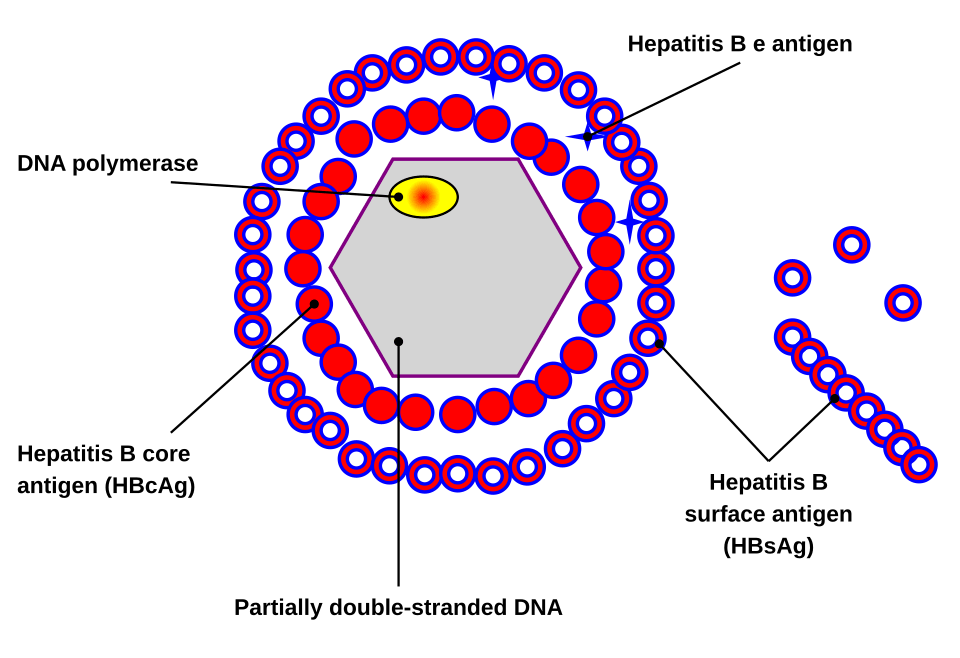
HBV diagnosis is based on serologic (blood plasma) testing for the surface antigen (protein) of HBV termed HBsAg (Figure 1). For assessing viral replication, the current gold standard is the HBV DNA quantification test. This test specifically is used to determine eligibility for antiretroviral treatment and evaluating treatment response. Unfortunately, there is very low usage of this test in remote areas or resource-limited settings, as the entire collection and reading process requires technical expertise for blood collection as well as well-equipped laboratories that can process and read the blood sample.
A New Testing Paradigm
The new diagnostic test proposed by the researchers in this study is based on an already established GeneXpert diagnostic system that has a fully integrated platform, thus providing results within 90 minutes from collection. It is currently used for diagnosis and clinical management of other diseases such as Hepatitis C Virus (HCV), Human Immunodeficiency Virus (HIV), tuberculosis and other acute respiratory viruses. The main limitation is the current platform uses plasma samples collected via venipuncture (vein access) and thus, requires a trained healthcare professional and a centrifuge to separate the plasma. To make the test more accessible in clinics and the bedside (point-of-care), the researchers proposed using a finger prick sample to determine if diagnostic accuracy with this platform is maintained.
Study Design
To conduct this study 246 participants were enrolled in liver disease clinics throughout Australia. Participants were all 18 years or older and had been previously diagnosed with chronic HBV infection. Chronic HBV was defined as a positive HBsAg test for more than 6 months. Each person provided both a fingerstick blood sample as well as a venipuncture blood sample.
Fingerstick Blood Sample vs Venipuncture Blood Sample
Ultimately, the measured HBV viral load was very similar between the two blood samples. Most importantly there was an ~95% sensitivity and specificity of the fingerstick test sample at an HBV threshold of 2000 IU/mL, which is recommended by WHO and other international guidelines for starting treatment.
| Sensitivity is a measurement of a test’s ability to those that have a disease. A test with poor sensitivity means some people with the disease will not return a positive result and thus be missed for diagnosis purposes. Specificity is a measurement of a test’s ability to correctly identify people without the disease. A test with poor specificity means there will be a lot of false positives or healthy people returning a positive result which is not ideal. |
Clinical Importance
In all respective measurements, there were no major differences between the fingerstick blood sample vs the venipuncture blood sample. The differences that did exist, were not enough to actually affect clinical decision making. Thus, this platform as a point-of-care HBV DNA diagnostic seems promising and could really benefit patients in more remote and/or resource-limited settings where access to laboratory-based testing and trained professionals is limited. Furthermore, while this study was conducted in Australia, a similar study being conducted in Senegal shows similar results as well (Lo et al. 2024). There still exist some barriers to implementing this test in the clinic including sustainable funding, training and technical/quality support. However, this presents a promising new direction in the field of HBV diagnostics. For our patient seeking prenatal care, this would mean a one-time visit would be enough to ensure protection for both her and her newborn.
Link to the original post:
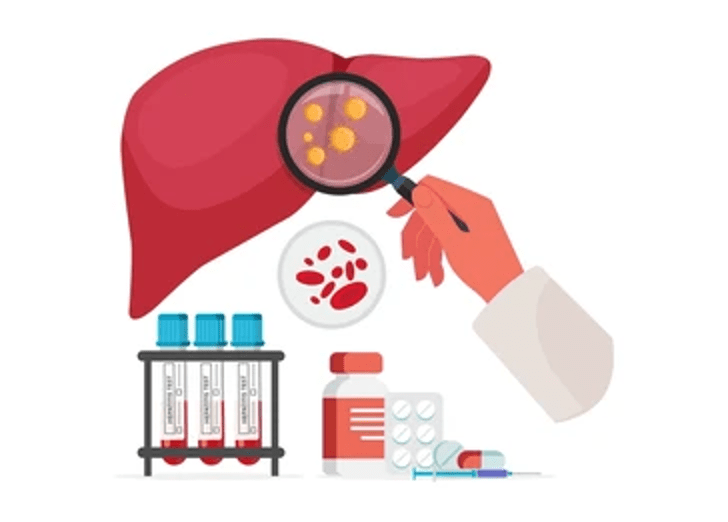
Featured image: Liver Health | Credit: vector next