
Breaking down the microbiology world one bite at a time
The Gut Fingerprint
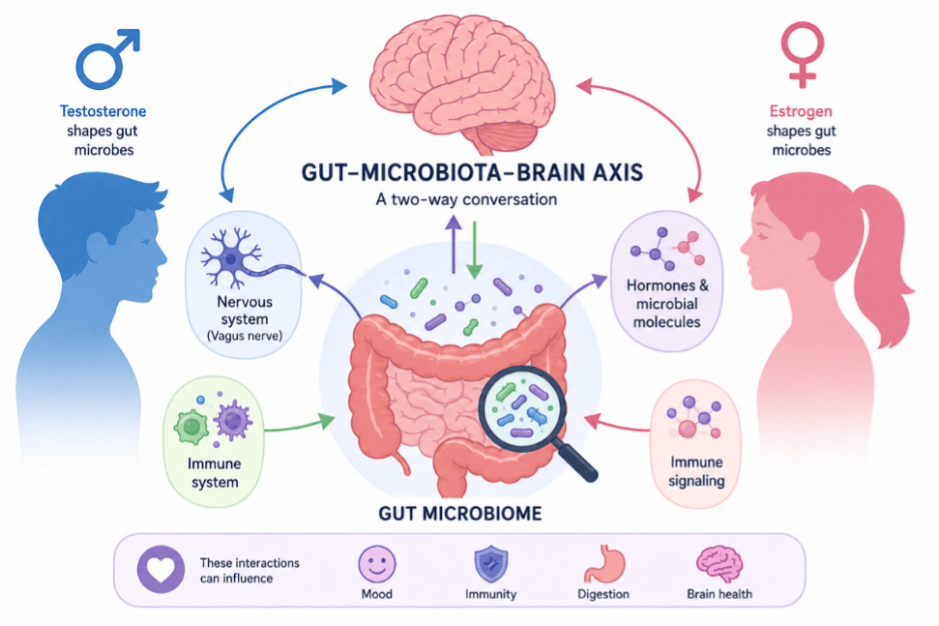
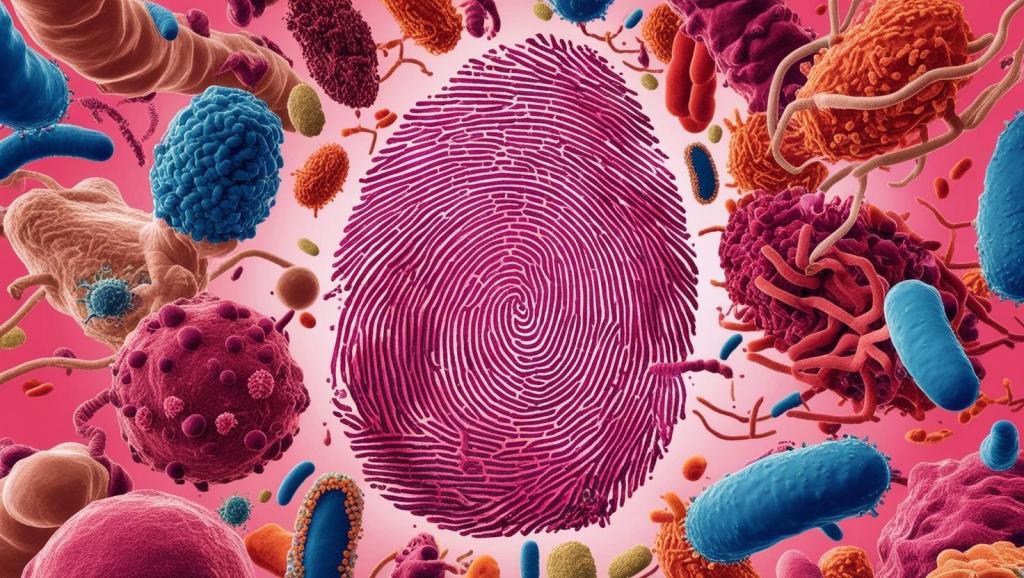
The gut microbiome is a crucial element in the studies of health and diseases. There are several factors that affect the gut microbiome, such as environment, diet, medications, and genetics. A recent study by Procházková and colleagues revealed that the human gut microbiome is highly personal, and even with the same dietary intake, the gut microbiome composition and metabolism can vary significantly. These unique microbiomes are shaped by the time it takes for food to make its way through our digestive system, as well as the pH of our gut.
Gut transit time (GTT) is the total time taken by the food to move through the entire digestive tract and is measured from swallowing the food till its elimination from the body. The GTT affects the microbial metabolism and the production of microbial metabolites, with a longer GTT leading to increased digestion of microbial proteins, ultimately affecting our health.
In this study, the authors used SmartPills (wireless motility capsules) to measure pH and whole-gut (entire gastrointestinal tract, GIT) and segmental (a specific part of the GIT, like intestine or colon) transit time during a 9-day observational period that included 61 healthy participants. Additionally, they profiled urine and faecal samples using multi-omics approaches and gathered information on bowel habits, nutritional intake, and breath hydrogen and methane levels. This was done to monitor and correlate daily and inter-individual changes in the gut environment, gut microbiota, and the metabolites produced from the microbiome.
Since gut pH and transit time affect microbial growth and enzyme activity, these variations explain fluctuations in microbiome composition and host–microbiota co-metabolism. Along with these, the pH and moisture content of the faecal matter were also associated with intra-individual variations in the gut microbiome and metabolism, A key finding of the study was that gut stability varied for every individual. The day-to-day fluctuations in the gut microbiome in the individuals were significantly affected by stool moisture and stool pH. This implies that the metabolism of the host-microbiota may be linked to even slight variations in the pH and water content of the colon.

Moreover, the study found significant associations between intestinal transit time (ITT) and pH with intra- and inter-individual differences in the gut microbiome composition and metabolism. A number of metabolites from microbial metabolism, such as those from amino acid, fatty acid, and nucleic acid metabolism, were linked to gastrointestinal transit time and pH. Acetate, propionate, butyrate, and other short-chain fatty acids (SCFAs) showed the largest negative connection with faecal pH. Shorter intestinal transit time was also associated with higher levels of propionate and butyrate in the faeces. Proteolytic indicators showed an adverse relationship with dietary fibre intake, indicating that microbial protein fermentation may be impacted by fibre availability. Branched-chain fatty acids (BCFAs), such as isobutyrate, 2-methylbutyrate, and isovalerate, showed a positive correlation with faecal pH and a negative correlation with stool moisture. On the other hand, indole-lactic acid and phenylacetylglutamine were proteolytic markers that showed a positive correlation with longer whole-gut and colonic transit times (CTT) and a negative correlation with stool moisture. The opposite effect was seen with the proteolytic marker p-Cresol sulphate and dicarboxylic acids, such as pimelic, suberic, and sebacic acids. Tryptophan, tyrosine, and coffee-derived metabolites were inversely correlated with higher pH and longer transit times. The distal colonic pH and the rectal pH were positively correlated with indoxyl-glucuronide and indoxyl-sulphate, respectively. These results imply that, on a regular diet, microbial-derived metabolites in breath, faeces, and urine vary daily.
Microbial proteolysis, CTT, and ITT were revealed to have strong positive associations with microbial diversity. Conversely, there was a negative correlation between the diversity and both digestion of microbial sugars and stool moisture. In conclusion, the findings demonstrate the interconnectedness of gut physiology, metabolites, and bacteria.
The findings of the current study underline the significance of taking gut physiology and environment into account because of the key role they play in shaping the gut microbiome composition and metabolism, and these factors should be considered in future studies of the human microbiome. Understanding a healthy gut microbiota and distinguishing individual microbiome reactions to diet and other lifestyle factors may depend on this. This could be beneficial while planning personalized dietary requirements for individuals to maintain a healthy life.
Featured image: Canva Dream Lab