

Breaking down the microbiology world one bite at a time
Tiny Warriors: Battle between nanoparticles and bacteria
This post is written by guest author Sailee Tawade
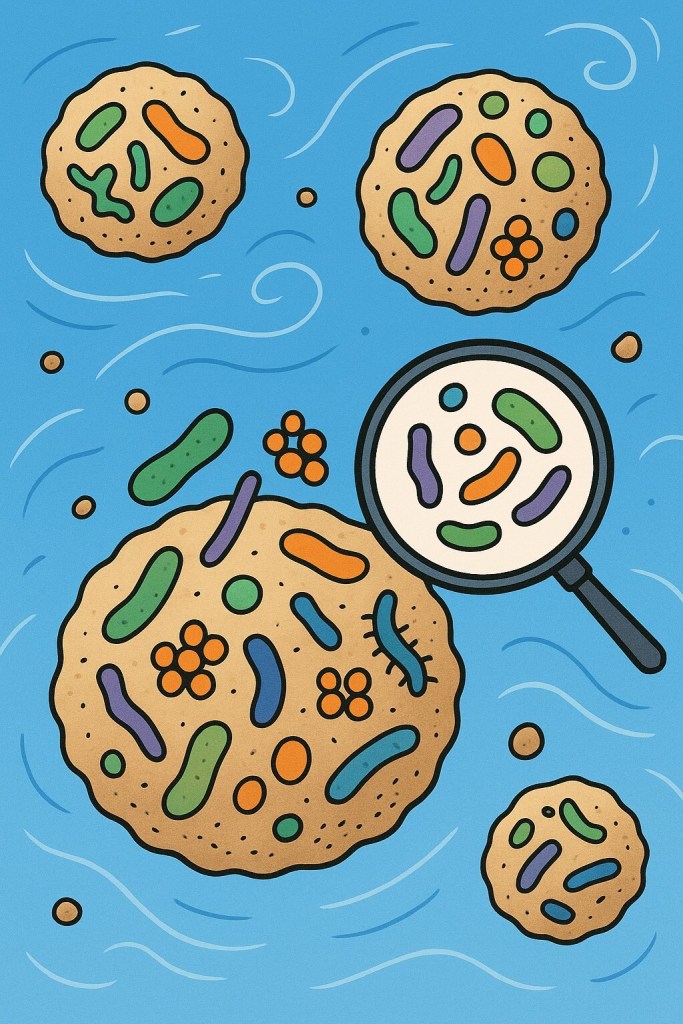
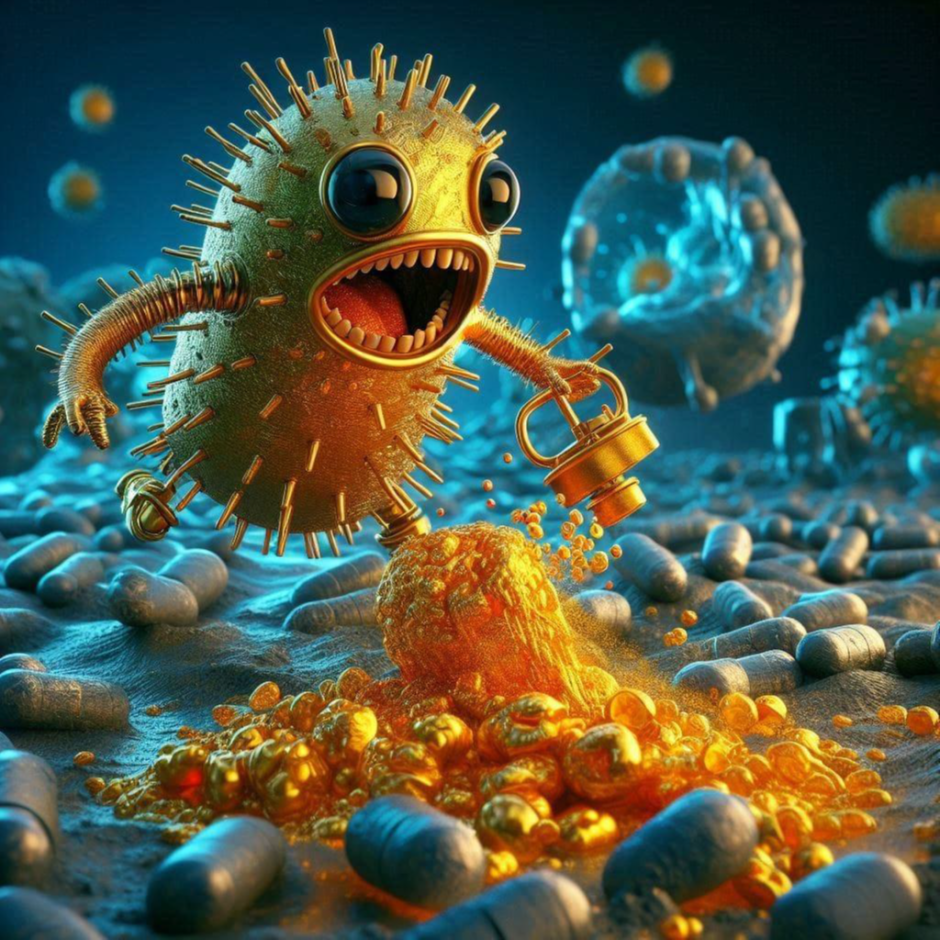
Like we live in a society or a neighbourhood, bacteria also have their own neighbourhood. I think their neighbours are better than mine though. We have police to keep us and our neighbourhood safe, but bacteria themselves can create a protective layer that we call a biofilm (Bacterial police). Imagine the biofilm as the slimy, sneaky hangout, where all these trouble-causing agents assemble to fight against us. This biofilm has great medical importance as it is the cause of many infections including urinary tract infections, chronic lung infection in patients with cystic fibrosis, and middle ear infections. Moreover, biofilms also cause an enormous economic loss to the food industry every year. But there is no need to worry, the scientists are sending their army of tiny warriors to fight against it. Zinc nanoparticles, armed with their microscopic capes, crash this microbial bash.

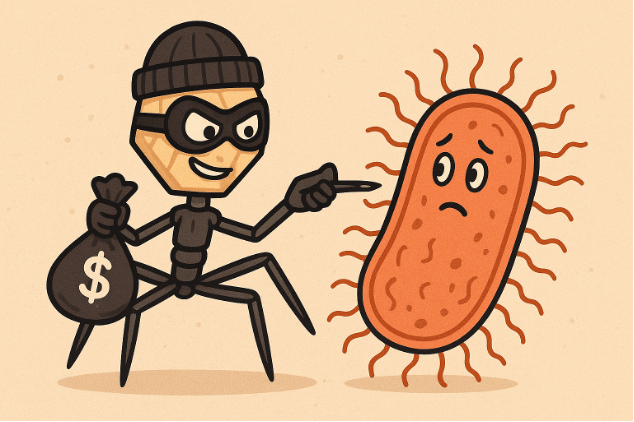
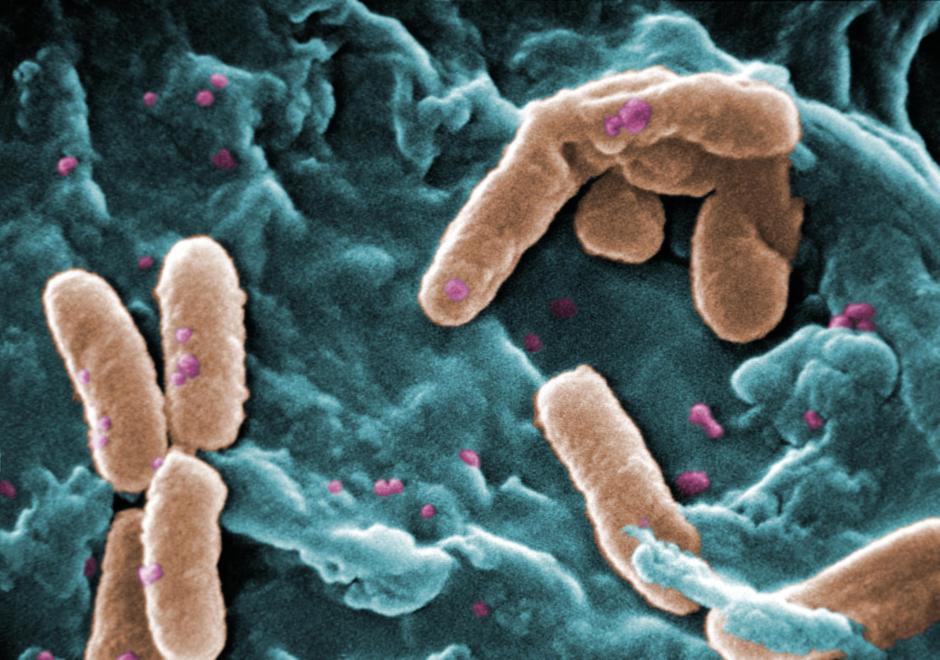
Staphylococcus aureus, Klebsiella oxytoca, and Pseudomonas aeruginosa are the three bacteria at the top of the list of harmful biofilm-forming bacteria. P. aeruginosa and K. oxytoca are gram-negative bacteria. They are classified based on their outer layer; this layer is made up of peptidoglycan. Gram-positive bacteria have a thick peptidoglycan layer while gram-negative bacteria have a thinner layer. These two gram-negative bacteria show high antibiotic resistance, which means that they are unaffected by a variety of antibiotics. This makes them difficult to be treated so new technologies need to be developed to get rid of them. This is where our tiny warriors come into action.
Treatments for biofilm-based infections can include nanoparticles. Nanoparticles are tiny molecules that the naked eye cannot see. They are measured in nanoscale, which ranges from 10 to 200 nm. The width of a hair is 80,000 nm, now you can imagine how tiny these fighters are! Their small size allows the particles to enter and fight against the bacteria.
In a recent study, Rafael Bianchini and his team created zinc nanoparticles as our warriors against bacteria. Zinc is chosen because this can also be used in the food industry to prevent microbial spoilage. They have made two of these zinc oxide particles: zinc sulphide (ZnS) and zinc oxide (ZnO). ZnO is a promising antimicrobial agent and also has antifungal activities. The shape and the size of nanoparticles also play an important role in their activity, therefore the authors also studied the shape and size of the particles, showing that ZnS exists as smaller cubic structures of 150 nm size.
What next?
Now before attacking the biofilm, that is before we test our warriors against the biofilm we must know what is the minimal amount of the nanoparticles that will kill the bacteria. Hence we find the minimum inhibitory concentration (MIC) and minimum bactericidal concentration (MBC) for ZnS and ZnO of the individual bacteria are determined. So what are these? MIC is the smallest amount of drug or substance required to limit the growth of bacteria, whereas MBC is the minimal concentration that ensures the death of bacteria. Once the minimum concentrations of ZnO and ZnS are known, the biofilm is attacked. The nanoparticles easily enter the biofilm due to their small size and shape. Once they enter the biofilm they disrupt it using various modes of action. For instance, they can physically disrupt the biofilm by degrading it or can generate reactive oxygen species that disrupt it. The image below shows the difference in the biofilm after either being treated or not with the different nanoparticles (ZnO and ZnS).

From this study, we can conclude that these nanoparticles are capable of fighting the bacterial biofilm. These nanoparticles have some other properties also, they could be used for coating equipment in hospitals such as catheters, and they can also be used in the food industry to coat the containers. This innovative approach not only prevents the bacteria from proliferating but also coating them on surfaces in the healthcare industry could reduce the viability of bacteria as well as viruses. This promising finding could pave the way for enhanced hygiene standards and improved longevity of various materials in the healthcare and food industry. All these applications make nanoparticles the warriors against bacteria and their biofilm.
Link to the original post: Fulindi et al., Zinc-Based Nanoparticles Reduce Bacterial Biofilm Formation. Microbiology Spectrum, February 2023





























































 micro-bites.org
