
Breaking down the microbiology world one bite at a time
The gutty feeling
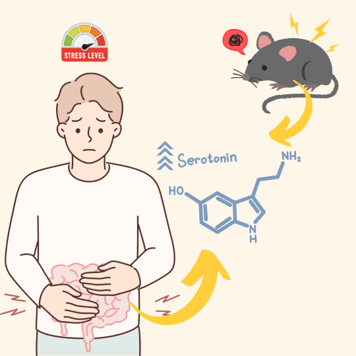
Did you know that a certain kind of bacteria growing in your stomach could be the reason you feel stressed or anxious to go socialise?
Our gastrointestinal tract harbours a large variety of bacteria, essential for the proper functioning of our digestive system and absorption of food. They produce various metabolites that can influence the brain’s function and behaviour by interacting with the nervous system, immune system, and endocrine system. On the other hand, the brain can also influence the gut microbiota by sending signals through the vagus nerve, which connects the brain to the gut. Now, in certain conditions, some of these bacteria may not act to our benefit and cause harm to the body.
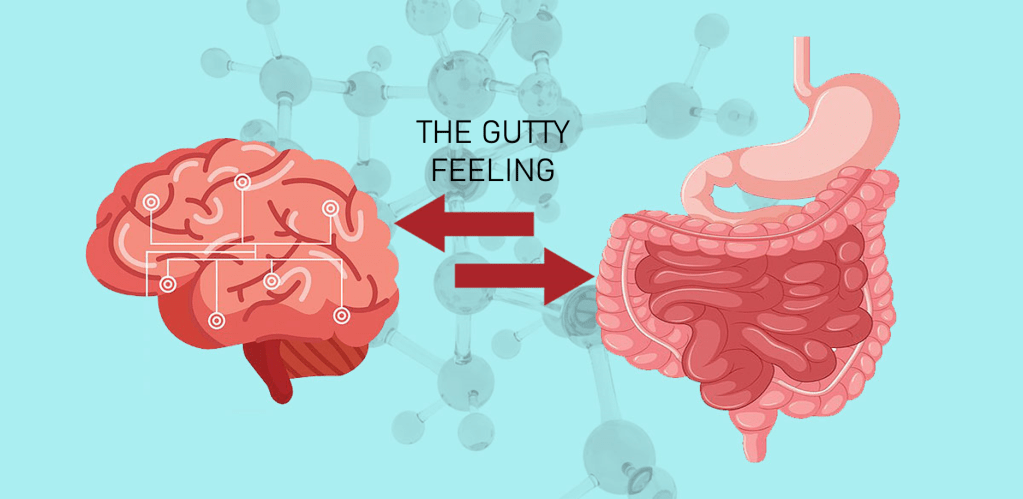
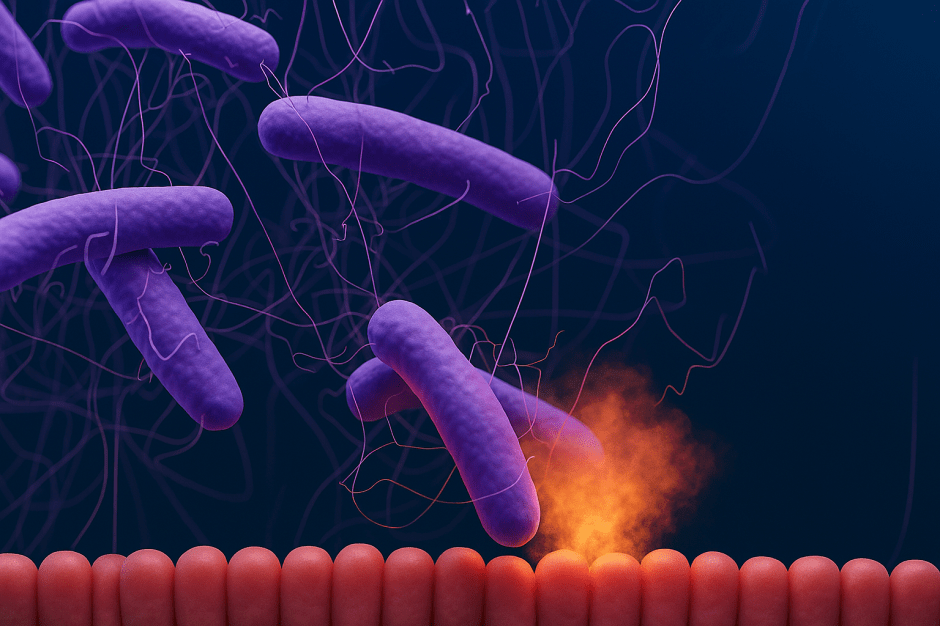
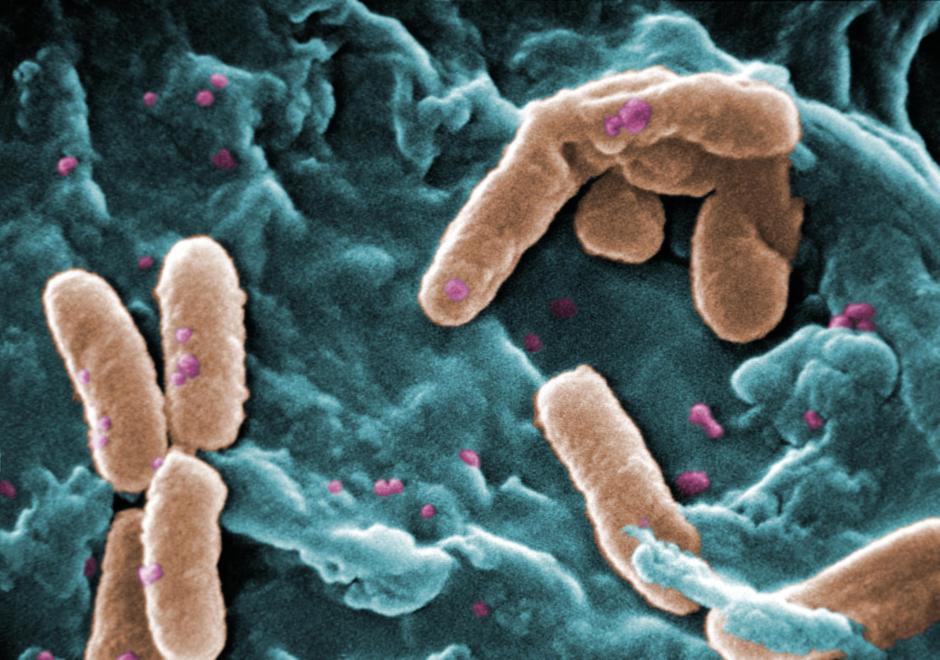
People with a condition called Small Intestinal Bacterial overgrowth (SIBO) have an abnormal increase in the bacterial population in the small intestine. SIBO can arise due to post-surgery complications or any other disease conditions. These conditions could slow down the passage of food and waste products in the gastrointestinal tract, which provides a breeding ground for the bacteria. Symptoms include diarrhoea, weight loss and malnutrition, and could be treated with antibiotics.
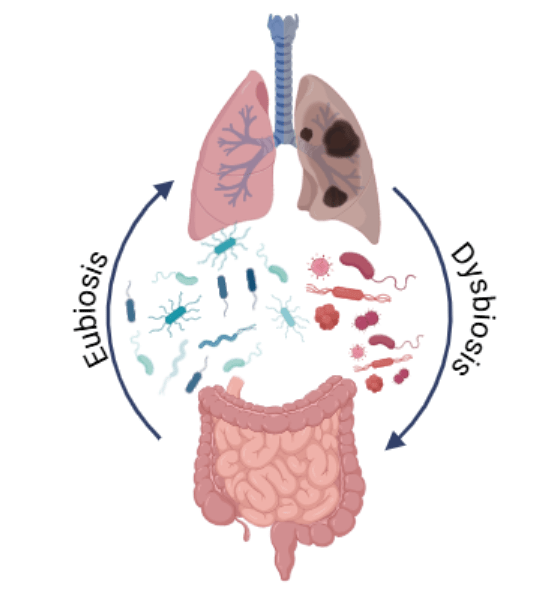
Now coming back to the question, how does a certain set of bacteria make you feel anxious? The altered bacterial population in your gut can be one of the most significant contributors to anxiety or depression. There is a complex interaction between the host, bacteria and bacterial genes, which is implicated in the development of intestinal diseases.
Stress is no good to anyone, and especially your nervous system and the gut microbiome are extremely sensitive to a lot of stress factors. The result of this can cause inflammation or swelling of your intestines. Host homoeostatic mechanisms try to keep gut bacterial populations constant and prevent overgrowth. Local immune cells work with gastric acid and pancreaticobiliary secretions to kill germs. The small bowel’s natural architecture and antegrade peristaltic action capture and move microorganisms towards the colon. It is the disruption of these processes which can predispose patients to the development of SIBO . The sympathetic nervous system, which is responsible for proper digestion of food, is also very vulnerable to stress and its associated factors. This nervous system is often found overstimulated in patients with SIBO, a condition called neuroticism.
The link between the vast negative range of emotions, higher anxiety, and the bacteria in the gastrointestinal tract has prompted scientists in this study to consider whether SIBO could be considered one of the symptoms of patients suffering from anxiety and stress. Another factor the scientists investigated was the extroversion of a person. They found a person suffering from SIBO to be less extroverted compared to those that did not have the condition. It was also seen that with an increase in negative emotions, the chances of the person developing a gastrointestinal disease were also higher. Sometimes, one’s specific personality traits, like a negative worldview, could make one vulnerable for developing certain psychological comorbidities, such as depression, anxiety, and stress.

So what is in this for you? Stress could be caused by primarily two factors, external; which is the outside environment resulting in a somatic response, or it could be internal; from within the body, which could be because of the disruption in homeostasis due to external or internal stressors. These include environmental or physical and psychological stimuli, which may affect the gut microbiota, leading to changes in the host physiology and further increasing disease risk. Obviously, if you shall find discomfort in your intestine, the quality and comfort of one’s life decrease significantly. It could also hamper your sleep, and the functioning of your daily life as well. If one already has gastrointestinal diseases, they could experience elevated levels of anxiety and tension, and when presented with a stressful situation, they could tend to focus on themselves and their own symptoms, which ultimately promotes increased feelings of negative emotional states.
What does this mean for you then? A disruption in homeostasis brought on by external or internal stressors, such as environmental or physical and psychological stimuli, may affect the gut microbiota, changing the host’s physiology and raising the risk of disease. Stress can be caused by both external and internal factors, which are the two main causes of somatic and external responses to stress. It goes without saying that the quality and comfort of one’s life are greatly reduced if they experience gastrointestinal discomfort. Additionally, it might interfere with how well you sleep and carry out your everyday activities. When faced with a stressful circumstance, someone who already has gastrointestinal conditions may experience raised levels of anxiety and tension and may focus more on their own symptoms, which eventually encourages more negative emotional states.
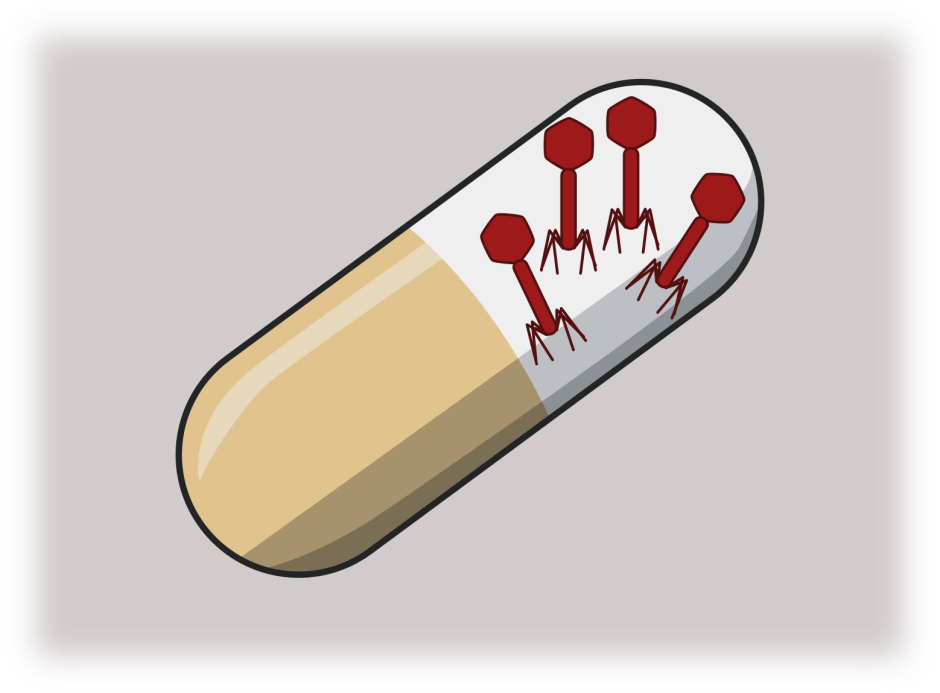
Coming to the good news: SIBO can be cured with a course of antibiotics, and is generally not a permanent disease. If you have been feeling uneasy or anxious when you encounter a stressful situation, take a quick glance at your lifestyle and your eating habits, because there might be a good chance that the food you are consuming is promoting the growth of healthy bacteria in your gut! Probiotics! Like Your 3am friend, makes sure you are safe and could take care of the troubles in your gut. It promotes the growth of healthy bacteria as well.
Movement and exercise: Make sure you are getting enough exercise and movement for your body with exercise and sports. While exercise will release happy hormones and get the blood flowing, make sure your mental health is also in check by taking small breaks whenever needed and listening to yourself. While SIBO can cause anxiety and stress, stress and anxiety can also trigger other GI conditions.
A happy tongue will keep you happy for a day or two, but a happy stomach will sustain you and keep you healthy in the long run! Make sure your meals are balanced and well distributed to keep the microbiome flourishing and healthy. Listen to your gut feeling, literally and physically too!
Link to the original post: Quigley EMM. The Gut-Brain Axis and the Microbiome: Clues to Pathophysiology and Opportunities for Novel Management Strategies in Irritable Bowel Syndrome (IBS). Journal of Clinical Medicine. 2018; 7(1):6. https://doi.org/10.3390/jcm7010006
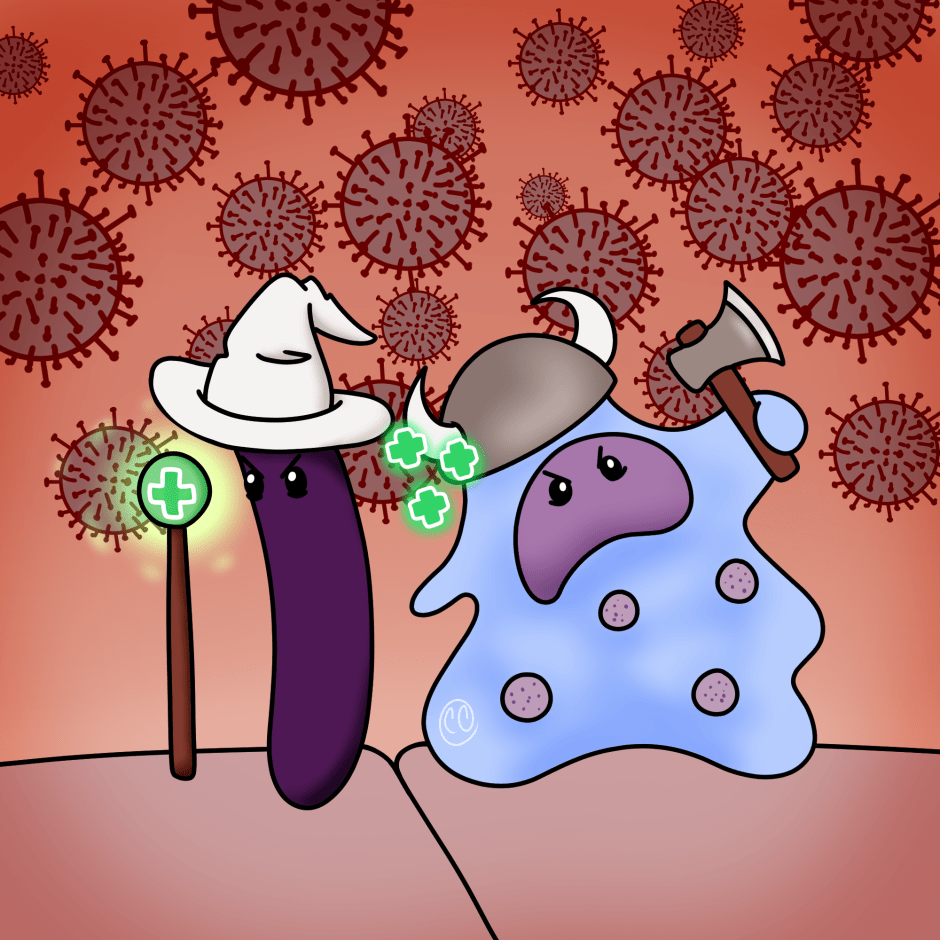
Featured image: Made by author













































 micro-bites.org