

Breaking down the microbiology world one bite at a time
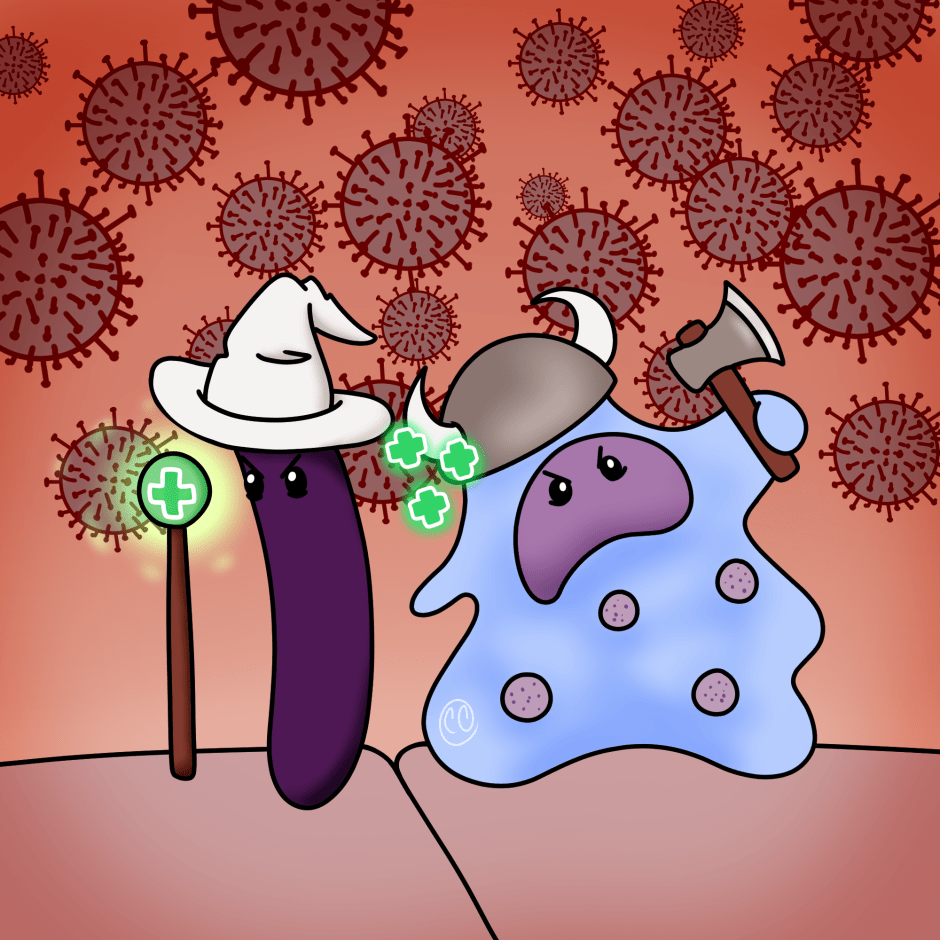
Vitamin A deficiency hinders our Neutrophil Defense
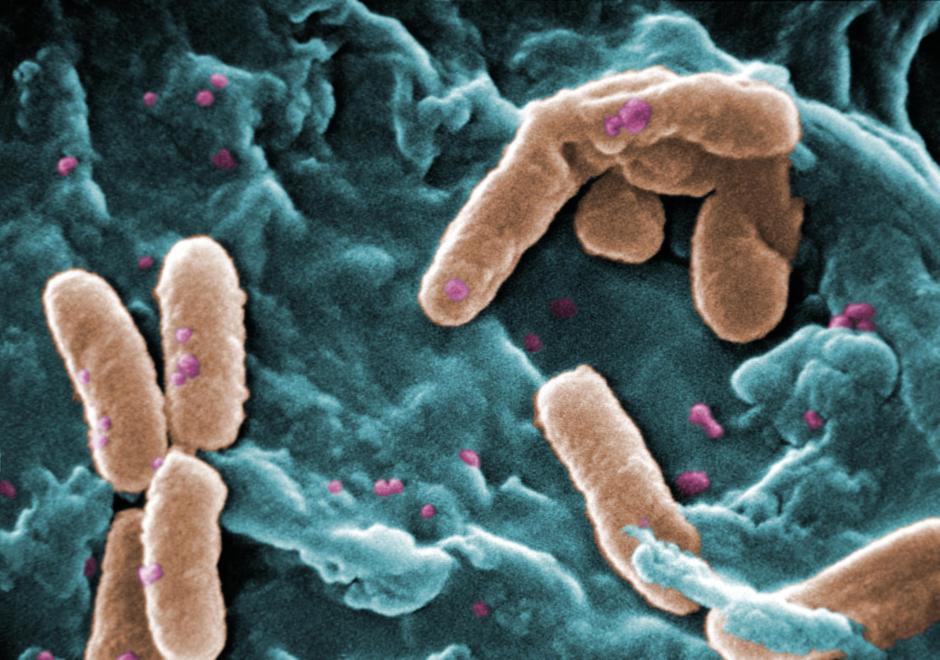
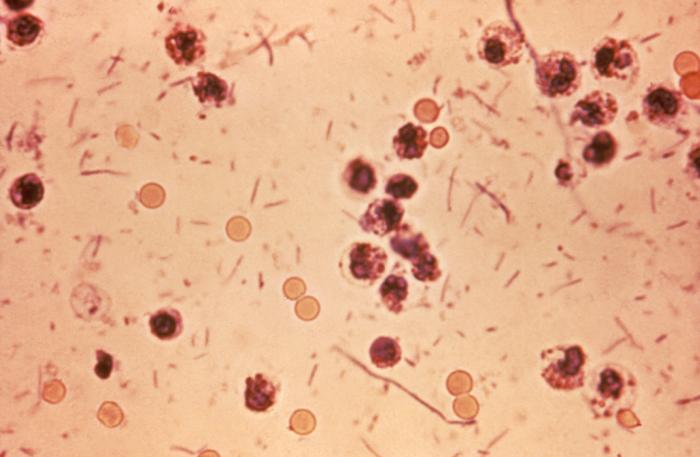
We have all been told to remember to take our vitamins to keep us healthy. They help protect us against viruses or bacteria such as Salmonella. Successful infection by Salmonella can cause the common condition of gastroenteritis (inflammation of the stomach or intestines) but can also be life-threatening to immunocompromised individuals. People with malnutrition are more susceptible to Salmonella infection and scientists believed that vitamin A deficiency could be a reason for this. Researchers then set out to test this and to understand these mechanisms.
The Experiment
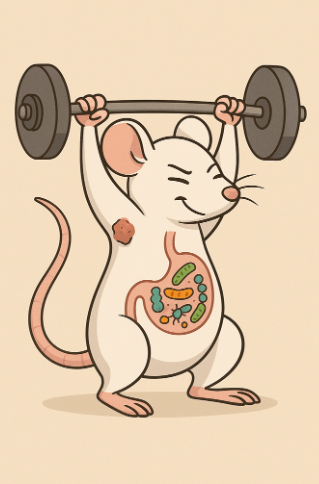
To do this the researchers used mouse models as mice have high genetic similarity to humans as well as similar organ systems. One group of mice had vitamin A deficiency and one group was a healthy control group. The researchers looked at their immune response after Salmonella infection and they found that mice with vitamin A deficiency had heightened susceptibility to long-lasting (systemic) Salmonella infection compared to the control group.
Observing Neutrophils
The researchers then decided to take a closer look at a specific part of the immune system – neutrophils. Neutrophils are small white blood cells (leukocytes) that patrol our bloodstream on the lookout for harmful bacteria and foreign particles. When they detect anything harmful they rush to the scene as our first line of defence. Here they can engulf and destroy bacteria through a process called phagocytosis. Typically after this they die in the process and release toxic substances that also kill any invaders.

Main Findings
The researchers carefully looked at the effect of Salmonella infection on neutrophils in mice with vitamin A deficiency. They found that there was no change in the recruitment of neutrophils to the site of infection, but they could not function as normal: The neutrophils had a greatly reduced ability to kill the Salmonella bacteria. Further investigation revealed that the neutrophils had lower levels of a protein called SLC11A1, which helps prevent the growth of pathogens inside cells. To confirm this the researchers transferred the neutrophils from healthy mice into mice with a genetic mutation that made them unable to produce SLC11A1. They found that mice that received healthy neutrophils were better at controlling a Salmonella infection compared to mice with neutrophils lacking SLC11A1.
Additional Findings
Additionally, the researchers discovered that a transcription factor called C/EBPƐ was also important for neutrophil function. Transcription factors are proteins that control which genes are expressed at certain times. This transcription factor C/EBPƐ is involved in the final stages of neutrophil development before it can patrol the body to fight bacteria. Mice that lacked C/EBPƐ also had reduced neutrophil function.
Wider Impact
Overall these findings shed light on how vitamin A deficiency can weaken the immune system in our bodies, particularly the effect on our front-line defence cells, the neutrophils. This is a concern in places such as sub-Saharan Africa where malnutrition and vitamin deficiency is common. Understanding how neutrophils are impaired is useful and could help in developing new strategies to combat Salmonella and other bacterial infections.
Link to the original post: Lokken-Toyli, K.L., Diaz-Ochoa, V.E., Camacho, L. et al. Vitamin A deficiency impairs neutrophil-mediated control of Salmonella via SLC11A1 in mice. Nat Microbiol (2024). https://doi.org/10.1038/s41564-024-01613-0
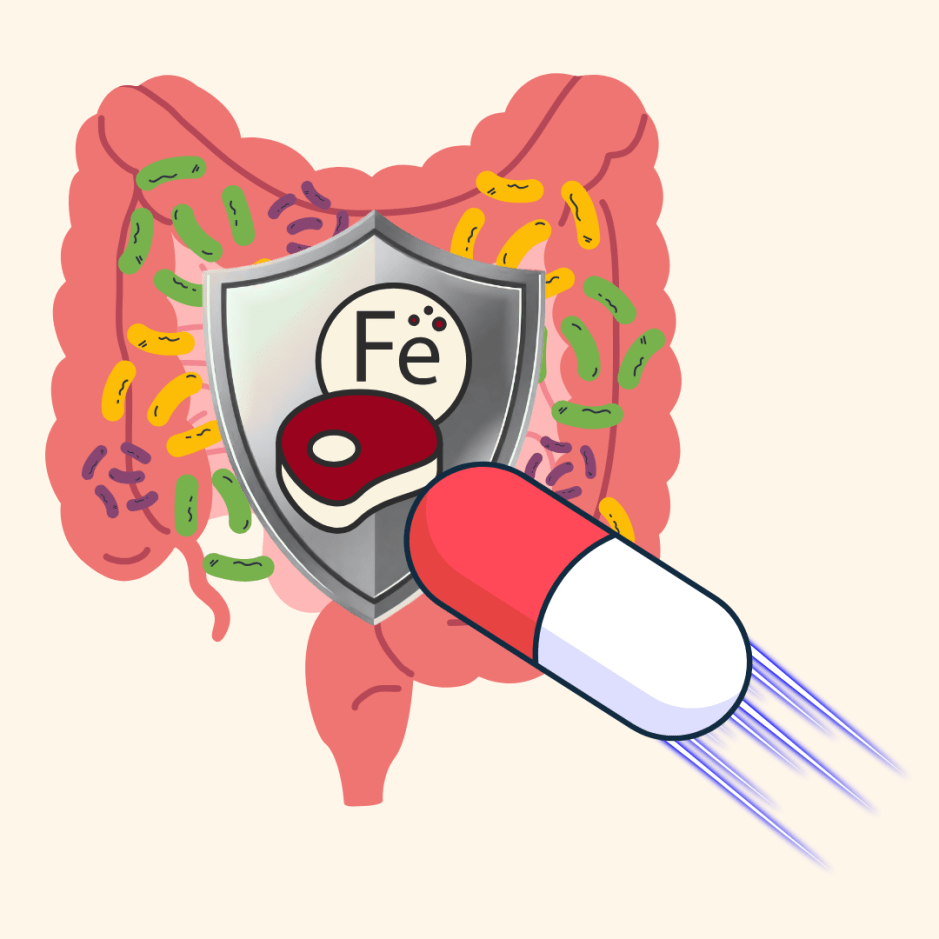
Featured image: Made in BioRender














































 micro-bites.org