
Breaking down the microbiology world one bite at a time
Grip Strength – A Silent Indicator of COVID-19 Severity
While most people have no problem recovering from a COVID-19 infection, often having little to no symptoms at all, not everyone is as lucky. 43% of adults develop symptoms that can persist for months or even years. Long COVID can make it difficult for some people to return to a normal life after catching the virus, and scientists aren’t completely sure of the cause.
Better predictors for who has and who might develop long-term COVID-19 could allow for early medical interventions, like antivirals, and researchers at the Federal University of Amazonas think your grip strength might be the answer.
Weak grip strength has already been implicated as a predictor of poor health. A weakened grip could indicate health complications like heart disease, diabetes, and even some cancers. This is because grip strength is a great indicator of how strong the rest of your body is. Weaker hands likely mean a weaker body that is more susceptible to disease.
Since a diminishing grip strength indicates a decline in someone’s health, it’s no surprise that it also means they have a higher risk of developing long-term COVID-19. When researchers looked at how specifically grip strength relates to COVID-19 outcomes, they found that individuals with a worse grip had a higher admission rate to the intensive care unit after infection.
When the researcher measured the patient’s lung capacity and exhale rate, they found they had worse lung function and consequently were more likely to need mechanical ventilation.
The impacts of low grip strength on COVID-19 infection lasted long past the initial sickness. One hundred twenty days after infection, patients could not walk as far as individuals with stronger grips, and 22% of patients were still experiencing loss of muscle strength.

The tendency for those with poor grip strength to develop more severe COVID-19 is likely related to their overall health. These individuals were also more likely to smoke and have diabetes, which has already been associated with worse COVID-19 outcomes.
Other studies support that weak muscles put you at a higher risk for developing severe COVID-19. People who are aged 50 or over were more likely to be hospitalized from COVID-19 compared to their stronger-muscled counterparts. Another study has shown that the virus can worsen hand grip strength over time – anywhere from 1 month to several years, supporting previous research that the virus might damage muscles.
During an infection, the virus will enter your cells and begin to replicate. This replication process disrupts normal cellular function. SARS-CoV-2 can invade most tissue types in the body, including skeletal muscle tissue. Over time, the replication of the virus can cause damage, resulting in a loss of muscle mass – which leads to long-term effects of a COVID-19 infection. If you’re starting with lower muscle mass, these effects are only exacerbated.
However, incorporating exercise into your daily routine could help reduce your chances of developing severe COVID-19 and, therefore, long COVID. Researchers have found that 150 minutes of exercise per week significantly reduced the risk of hospitalization after infection.
Early intervention during COVID-19 infection can be vital to the health of a patient, but in low-income areas where people have been affected the most by the pandemic, diagnosis options are often limited. Simple tests to determine your hand grip strength could offer healthcare workers a fast and easy solution, allowing them to get help for their patients sooner.
Link to the original post: do Amaral, Camila Miriam Suemi Sato Barros et al. “Low handgrip strength is associated with worse functional outcomes in long COVID.” Scientific reports vol. 14,1 2049. 24 Jan. 2024, doi:10.1038/s41598-024-52401-z
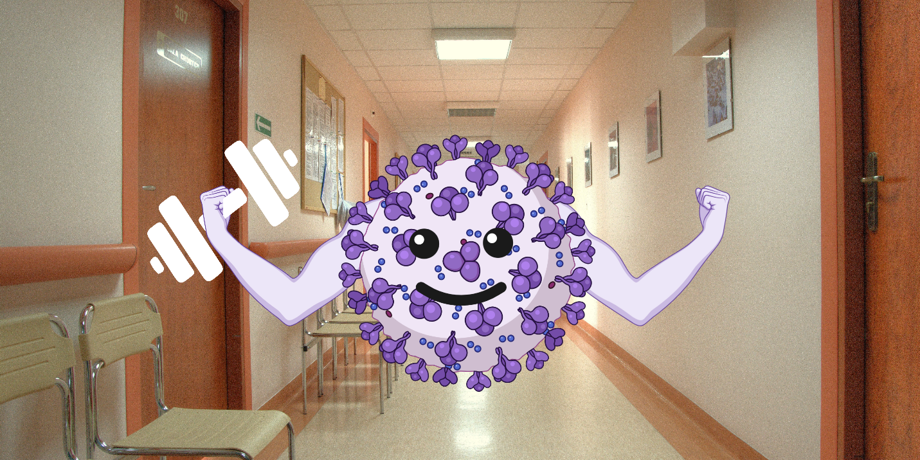
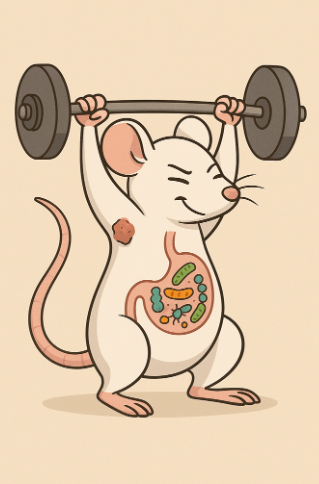
Featured image: Created with Biorender.com and Canva.com
























































 micro-bites.org