

Breaking down the microbiology world one bite at a time
Amphibious Defenders for Viral Diseases
Viral diseases are among the leading causes of mortality worldwide. Zika, MERS, Ebola virus, influenza, and parainfluenza viruses are just a few of the epidemics that have occurred in recent decades. Therapeutics, mainly vaccines, are available for a few of these viral diseases. However, the unprecedented global deaths caused by the SARS-CoV-2 coronavirus have brought the concern of medications against several emerging and re-emerging diseases back to the forefront of science. You may wonder, though, why, in the twenty-first century, despite all of our technological progress, we have only been able to develop vaccines against a small number of viral infections.
Well, MUTATIONS!
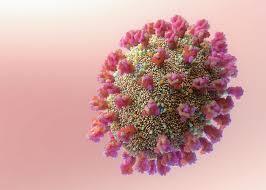
Mutations in the genome (DNA or RNA) of an organism drive the natural process of their survival or extinction. Mutations can be beneficial at times while being harmful to others. Viruses have an extremely high rate of genetic mutation. It is, in fact, a million times higher than humans.
High mutation rates cause the emergence of viral generations, or variants, that are more skilled at replicating and infecting new hosts. If the virus continues to evolve, developing a vaccine tailored to a specific variant is not a financially viable approach. Also, designing efficient vaccines often takes years, if not decades, before they can be available commercially. Thus, the search for alternatives to vaccines is imperative.
One much-celebrated alternative is antiviral peptides. Antiviral peptide drugs are popular due to their versatility in their quick design, high efficiency, and capacity to target viruses at various stages of their life cycle. Researchers have tried to extract these antivirals from various natural sources over the years, including plants, algae, lichens, and more.
Amphibians are known for their natural ability to produce antimicrobials that are effective as anti-cancer, anti-inflammatory, and anti-diabetes agents. In a recent study, a team of researchers from the University of Campania “Luigi Vanvitelli”, explored these amphibian peptides to look for a pan-inhibitor of emerging and re-emerging respiratory viruses. And the results were quite interesting.
But what exactly is this peptide, and how does it work?
Hylin-a1: The hero!
Anurans (frogs and toads) are endorsed as remarkable sources of antimicrobials. Skin secretions of anurans due to stress or injury report having antiviral effects against human viral infectious diseases. Peptides from several frog species have been purified and characterized in search of antimicrobials for the past decade.
In one such attempt, back in 2009, a group of researchers studied the South American spotted tree frog, Hyla albopunctata (or H. albopunctatus). It is a common resident of tropical rainforests, with distinct yellow spots all over its body and a size of 30-65mm. In their research, the team separated a novel protein from H. albopunctata skin secretions that they quickly dubbed hylin-a1(Hy-a1). Biochemical analysis revealed it as an efficient antibacterial and antifungal peptide. Little research has been done since then to examine hylin-a1’s potential as an antiviral for different infections.

The University of Campania’s group aimed to revive interest in this field of research with their latest work. Hylin-a1 was exposed to four different viral families at different stages of infection in Vero cells, a cell line derived from kidney epithelial cells extracted from an African green monkey, as part of the experiment. This included human coronaviruses (HCoV-229E and SARS-CoV-2), paramyxoviruses (MeV, HPIV-3, and RSV), influenza H1N1 virus, and coxsackievirus B3 (CVB3).
Using the plague assay, a widely used technique in viral research, the hylin-a1-virus interactions were measured by counting the number of active virus colonies. The experiments were set under four conditions:
- Co-treatment: Vero cells were exposed to each virus and hylin-a1 simultaneously
- Cell pre-treatment: Vero cells were treated with hyalin-a1 first (for 1 hour), then with viruses
- Cell post-treatment: Vero cells exposed to viruses for infection (for 1 hour), then hylin-a1
- Virus pre-treatment: Vero cells exposed to a mixture of virus and hylin-a1, were prepared before the experiment.
Action (or reaction)
Hylin-a1 had successfully inhibited influenza, paramyxoviruses, and coronavirus infections. However, the peptide did not affect the coxsackievirus B3 (CVB3) infection. The team deduced several hypotheses, trying to find the rationale behind these findings.
Hylin-a1 showed virucidal activity (an ability to destroy or inactivate viruses) by dual mechanisms. Firstly, by targeting the breakdown of the viral envelope, which protects the viral RNA and DNA and helps avoid getting targeted by the human immune system. This is supported by a previous study conducted by the group, which revealed hylin-a1’s capacity to demolish bacterial cell membranes. Interestingly, the lipid composition of the viral envelope and the bacterial cell wall is quite similar. This suggests that hylin-a1 may be targeting the microbial lipids and causing membrane disruption by adapting a common strategy. This rationale also validates the lack of hylin-a1 effectivity against CVB3, which is a non-enveloped virus.
Secondly, by targeting the viral fusion proteins. Viruses express certain proteins on their outer membrane, termed fusion proteins, through which they initiate contact with their host cells. This is a crucial process because these proteins act as the primary point of contact between the virus and host cells. By observing the effect of hylin-a1 upon respiratory syncytial virus (RSV) infected cells, the present study noted that there was a reduced expression of the RSV fusion protein, F. This could result in inactivated viruses and, therefore, no interaction of the virus with its host’s cells.
The current study proposes a revolutionary biomolecule that has the potential to be a solution for several emerging and re-emerging viral diseases. By combining the most recent therapeutic approaches, such as conjugation with antibodies, with the dual mechanism of antiviral action found in hylin-a1, more research could be done. Such studies are crucial, as the next viral threat is never too far off the horizon. And hylin-a1, a pan-acting viral inhibitor, could be the answer.
Link to the original post: Chianese, Annalisa, et al., “Hylin-a1: A Pan-Inhibitor against Emerging and Re-Emerging Respiratory Viruses.” International journal of molecular sciences, vol. 24,18 13888. 9 Sep. 2023, doi:10.3390/ijms241813888
Featured image: Cover Image generated by Playground














































 micro-bites.org