
Breaking down the microbiology world one bite at a time
Sentinels of the far south: Studying Antarctic Birds to Prevent Virus Pandemics
Where could the next pandemic-causing virus come from?
The truth is: anywhere. Scientists and governments have known this for decades, sparking investment in numerous large-scale “viral surveillance” initiatives1. Viral surveillance refers to the collection of information about viruses circulating in certain animal populations or environments. The SARS-CoV-2 pandemic has underscored the importance of being vigilant of potentially dangerous pathogens, especially those of “zoonotic origins” – viruses carried by animals, often without making them sick, but which can jump to humans and cause serious illness2. Many viral surveillance projects focus on regions like rainforests – they’re teeming with biodiversity, and industrial operations like logging are bringing human populations close to these areas more often3. These kinds of areas are called “spillover hotspots,” but viral spillover events can occur anywhere where people come into contact with the wild. Harvesting of natural resources, combined with climate change causing altered human and animal habitats and behavior, means that chances for zoonotic virus spillover events are increasing.
Hotspots in the cold?
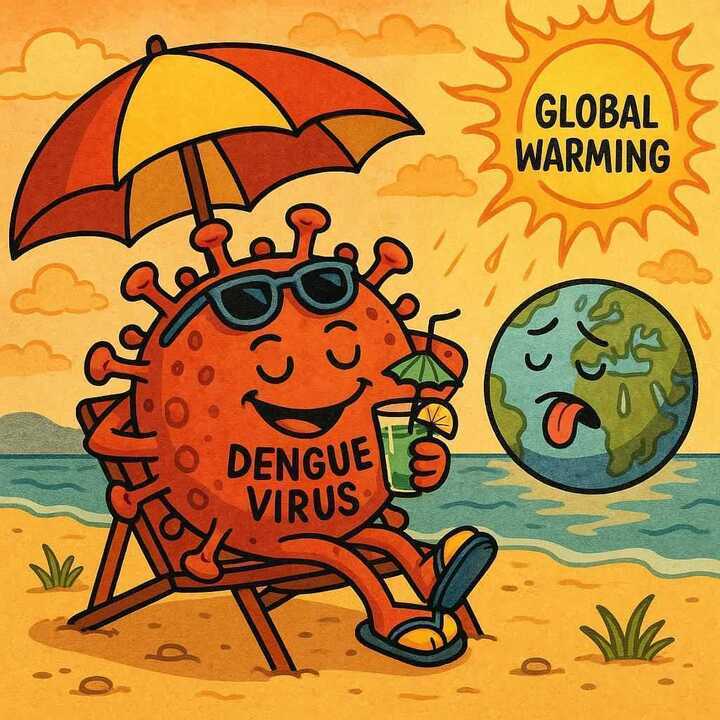
Warming of the planet is causing glacier melts at the poles5. These melts may free up potentially disease-causing microorganisms that have been frozen in the ice for thousands of years6. Millenia-old viruses have already been unearthed from Siberian permafrost and proven capable of infectious activity7. But what about Antarctica? It may not jump out as a location with viral spillover potential, but the importance of studying viruses in Antarctica should not be discounted. Research, tourism, fishing, and supply transportation ventures all bring regular human activity to and from Antarctica8; meanwhile, several Antarctic species, such as migratory birds, cyclically travel to more populous areas like South America. Could these species be vectors for disease? Could the Antarctic ice contain the next pandemic virus? We won’t know unless we look – and one new study recently published in Microbiology Spectrum has begun to do just that, by conducting a viral surveillance study of Antarctic snowy sheathbills9.

Why this bird?
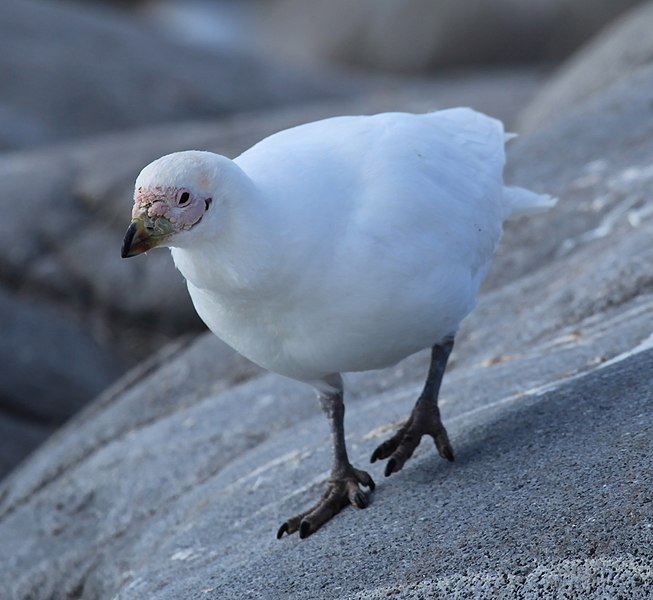
Snowy sheathbills are predators/scavengers that live on Antarctica and its surrounding islands. Their eating habits bring them into contact with a wide variety of flora and fauna, from sea algae to crabs to the internal organs of decaying marine mammals. The snowy sheathbill’s diet, social behaviors, and seasonal migratory patterns mean they’re likely to acquire lots of viruses from lots of sources. These researchers hoped to show that studying the viruses in these birds, as well as evidence of past infections lingering in their immune systems, can offer a valuable snapshot of the viruses circulating in and around Antarctica.
Study goals:
- Look for the circulation of viruses known to impact human and animal populations
- It’s important for viral surveillance efforts of viruses that could infect livestock like poultry – an outbreak that damages global food supplies could have devastating socioeconomic and political consequences
- Evaluate the snowy sheathbill “virome,” their ecosystem of viruses
- Determine whether the snowy sheathbill is a promising candidate for effective viral surveillance of the Antarctic region moving forward
What they did, and what they found:
Researchers collected swabs, serum, and fecal samples from snowy sheathbills during two Antarctic expeditions – one to Nelson Island in 2020, and one to Isabel Riquelme Islet in 2022. They extracted RNA from the samples and used a technique called “reverse-transcriptase polymerase chain reaction,” or RT-PCR, to figure out whether the samples contained any particular viruses of interest – specifically, coronaviruses, paramyxoviruses, and influenza viruses. Some viruses in these groups can be dangerous for humans (ex: SARS-CoV-2 of the coronaviruses, measles virus of the paramyxoviruses, and Influenza A of the influenza viruses). They found two penguin avulaviruses, plus one sequence that didn’t match any known paramyxoviruses. This likely represents a novel paramyxovirus species, which the team is now studying to understand and evaluate its infectious capabilities.

The team also found antibodies against avian influenza in some birds, indicative of past infections. Certain strains of avian influenza can wreak havoc on poultry farming operations and, in some cases, cause serious illness in humans. Finding these antibodies in snowy sheathbills tells us that this virus can and does circulate in this region, indicating that Antarctica harbors potential reservoir species for these viruses, and that sampling snowy sheathbills is an effective way to study these viruses’ circulation.
To study the snowy sheathbill virome, researchers performed a large-scale analysis of their RNA samples. They used RT-PCR to convert the RNA sequences to DNA, screened to determine which ones were of viral origin, assembled overlapping viral DNA sequences, and compared them to genomes of known viruses. Their “library” of viral DNA contained viruses from birds, bacteria, insects, marine crustaceans and mammals, plants, and humans – a reflection of the snowy sheathbill’s predator/scavenger lifestyle. Two sequences of human origin were found: one likely from a North American human sapovirus, and one of a Chinese gammaherpesvirus associated with nasopharyngeal cancer. These findings emphasize how spillover can go both ways, and underscore how birds can pick up human viruses in one place and bring them to another. It is of course important to consider the human impacts of this – but what effects could human viruses have on the Antarctic ecosystem? We don’t know, but as human activity and climate change continue to cause man-vs-wild clashes on a macro and microbial scale, it’s imperative that we prepare for the future by understanding our present as best we can – such as through studies like the one discussed here.
Takeaways:
How do we prepare ourselves against the next potential pandemic? We learn about what’s out there, and we cast our nets far and wide. Viral surveillance studies of different animals and environments are a crucial pandemic prevention strategy. This study looked at viruses circulating in Antarctica by sampling snowy sheathbill populations, and in doing so, established this species as a viable candidate for broad viral surveillance of the Antarctic region in the future.
Link to the original post: Zamora, Gabriel, et al. “Scavengers as Prospective Sentinels of Viral Diversity: The Snowy Sheathbill Virome as a Potential Tool for Monitoring Virus Circulation, Lessons from Two Antarctic Expeditions.” Microbiology Spectrum, 15 June 2023. https://doi.org/10.1128/spectrum.03302-22
Citations:
- Carroll, Dennis, et al. “Preventing the next Pandemic: The Power of a Global Viral Surveillance Network.” The BMJ, 12 Mar. 2021, http://www.bmj.com/content/372/bmj.n485.
- Leifels, Mats, et al. “The One Health Perspective to Improve Environmental Surveillance of Zoonotic Viruses: Lessons from Covid-19 and Outlook Beyond.” Nature News, 30 Oct. 2022, http://www.nature.com/articles/s43705-022-00191-8.
- Grossman, Daniel. “Scientists Scour the Amazon for Pathogens That Could Spark the next Pandemic.” Science, http://www.science.org/content/article/scientists-scour-amazon-pathogens-could-spark-next-pandemic. Accessed 22 June 2023.
- “Hunting for the next Pandemic Virus.” ASM.Org, asm.org/Magazine/2022/Fall/Hunting-for-the-Next-Pandemic-Virus. Accessed 22 June 2023.
- Harvey, Chelsea. “Antarctica’s ‘Doomsday Glacier’ May Be More Prone to Melting than Expected.” Scientific American, 16 Feb. 2023, http://www.scientificamerican.com/article/antarcticas-doomsday-glacier-may-be-more-prone-to-melting-than-expected/.
- Varghese, Ryan, et al. “Climate Change and Glacier Melting: Risks for Unusual Outbreaks?” Journal of Travel Medicine , 31 Jan. 2023, academic.oup.com/jtm/advance-article/doi/10.1093/jtm/taad015/7017662.
- Hunt, Katie. “Scientists Have Revived a ‘zombie’ Virus That Spent 48,500 Years Frozen in Permafrost.” CNN, 9 Mar. 2023, http://www.cnn.com/2023/03/08/world/permafrost-virus-risk-climate-scn/index.html.
- McCarthy, Arlie H, et al. “Ship Traffic Connects Antarctica’s Fragile Coasts to Worldwide … – PNAS.” PNAS, 10 Jan. 2022, http://www.pnas.org/doi/10.1073/pnas.2110303118.
- Zamora, Gabriel, et al. “Scavengers as Prospective Sentinels of Viral Diversity: The Snowy Sheathbill Virome as a Potential Tool for Monitoring Virus Circulation, Lessons from Two Antarctic Expeditions.” Microbiology Spectrum, 15 June 2023, http://www.ncbi.nlm.nih.gov/pmc/articles/PMC10269608/.
Featured image: Snowy Sheathbill at Port Lockroy, Antarctica. By Liam Quinn on Flickr under https://creativecommons.org/licenses/by-sa/2.0/





















































 micro-bites.org