

Breaking down the microbiology world one bite at a time
Sleeping soundly with the gut microbiome
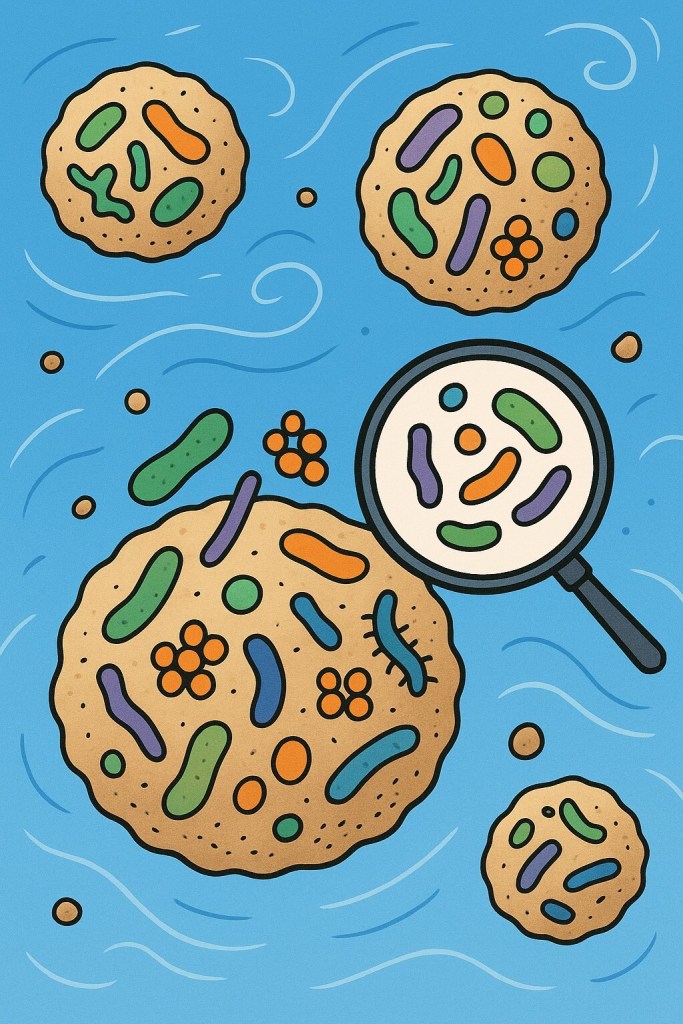
As we learned recently during world microbiome day, the gut microbiome is important for maintaining homeostasis in the host. Since the composition of the microbiome contributes to host metabolism, it is not a surprise that the gut microbiota can alter its composition to help the host adapt to a certain environment. Particularly, this is important for animals who hibernate. Changes in gut microbiota composition favor microbes that can utilize energy sources like glycans[TA1] , which are produced by the host. Furthermore, the microbiome has also been suggested to affect brown adipose tissue activity, which provides heat to hibernating animals.
Since the body temperature of hibernating animals is very similar to the temperature of their environment, the effects of global warming have been a major concern for the health of hibernators. In fact, one study found that changes as small as a one degree body temperature change can alter the diversity of the gut microbiota by 34% in common lizards. Steadily increasing temperatures worldwide may have an effect on the body temperatures in hibernating animals and thus, may have an effect on the gut microbiota compositions of these animals.
So, which microbes thrive in this environment? Does global warming influence the composition of microbes in the gut? To answer these questions, the researchers needed a well-designed and controlled experimental setup.
The perfect study group:
In order to look directly at the effects of ambient temperature on microbiota composition, the authors needed to study a group of hibernating animals that were extremely similar. This is to ensure that there are no confounding variables that affect the results of the study. The authors chose to observe Rhinolophus pusillus, or the horseshoe bat, in two adjacent caves.

in Jiyuan, China. One group was located in an artificial canal tunnel, which had cooler winter ambient temperature, while the other was located in a warmer mine site 2 kilometers away (Figure 1). Since the habitats were so close together, the authors could conclude weather conditions and diets of the bats were most likely very similar. Thus, any changes in microbiota composition of [TA2] the bats were most likely solely due to the ambient temperature.
To further create a more controlled experimental setup, the authors also utilized aluminum rings to track each set of bats. Using these trackers, they ensured that each bat had hibernated at their designated temperature for at least 30 days. They also only analyzed the microbiota of male bats that were around the same weight. This is because weight has a significant impact on the composition of many organisms’ gut microbiotas. Altogether, this setup allowed the authors to directly study the effects of ambient temperature on gut microbiota composition in a controlled environment.
The findings:
When the authors looked at the bacterial phyla that made up the microbiota of the hibernating bats, they found that six phyla [TA3] stood out: Proteobacteria, Chlamydiae, Firmicutes, Actinobacteria, Tenericutes, and Bacteriodetes. Of these six phyla, three (Firmicutes, Actinobacteria, and Tenericutes) were more abundant in the microbiota of hibernating bats compared to non-hibernating bats.
But what about the differences between the two hibernation sites? The authors found that the top six bacterial genera were the same in both the canal group and the mine group. This meant that the temperature did not affect the beta-diversity of the populations or the number of unique species between groups. However, the abundance of Firmicutes and Actinobacteria were higher in bats from the canal, while Tenericutes were more abundant in bats from the mine site (Figure 2). This meant that the ambient temperature had an effect on the alpha diversity, or the species diversity within each group of hibernating bats.
When looking at the genera that were most present in each group, they noticed that Staphylococcus, Mycobacterium, and Klebsiella were more abundant in hibernators from the colder canal group compared to the hibernators from the warmer mine group. This suggested that colder temperatures may promote the abundance of these three genera in the gut microbiota of hibernating horseshoe bats. Since many species that fall under this genus, such as Staphylococcus aureus, Mycobacterium tuberculosis, and Klebsiella pnuemoniae, are considered opportunistic pathogens, the authors speculated that colder temperatures during hibernation may support pathogen invasion and infection.

Finally, the authors wanted to determine if the differences in the composition of the microbiomes of the bats from each site affected the global metabolic functions [TA4] of the gut microbes. In the bats from the canal site, microbes had higher activity of three major energy metabolism pathways, including the synthesis of bile acids that contribute to brown adipose tissue activity.
This finding made sense since brown adipose tissue activity is a large part of maintaining warmth during hibernation.
What does this all mean?
Overall, this study successfully analyzed the differences between gut microbiota compositions in hibernating bats in different environmental temperatures. Although the temperature did not alter the beta-diversity between the two groups, it did influence the alpha-diversity within each population. Furthermore, the authors observed variations in key metabolism pathways between the hibernators. Although more studies will need to be performed to find a definitive trend between temperature and gut microbiota composition, the horseshoe bats can sleep well knowing that scientists are on the case to ensure that they remain happy and healthy during hibernation.
Link to the original post: Sen Liu, Yanhong Xiao, Xufan Wang, Dongge Guo, Yanmei Wang, Ying Wang Effects of Microhabitat Temperature Variations on the Gut Microbiotas of Free-Living Hibernating Animals, Microbiology spectrum, 2023
Featured image: Made by author with BioRender

























































 micro-bites.org