
Breaking down the microbiology world one bite at a time
The Protein-Microbe Connection: How Your Diet Talks to Your Gut
What if the protein from your diet, rice, beans, or meat, changed your gut microbiome? An interesting study published in the ISME journal by Blakeley-Ruiz and colleagues dug a little deeper, asking if a source of protein can influence not only the microbes in the gut but also their functions.
They demonstrated exactly that in which they found that different protein sources lead to different microbes and chemicals or nutrients are being used or produced in the gut. The gut microbiota plays roles in digestion, fighting pathogens and even disease risk. If certain bacteria respond better to certain proteins, it explains why diets rich in different protein types correlate with a difference in people’s health. In the study, mice were fed diets of different protein sources, including milk, egg whites, and brown rice. Different protein sources led to unique microbial ‘fingerprints’ (analysed by metagenomics) and metabolic activities (analysed by metaproteomics) basically, each diet changed how gut bacteria behaved.
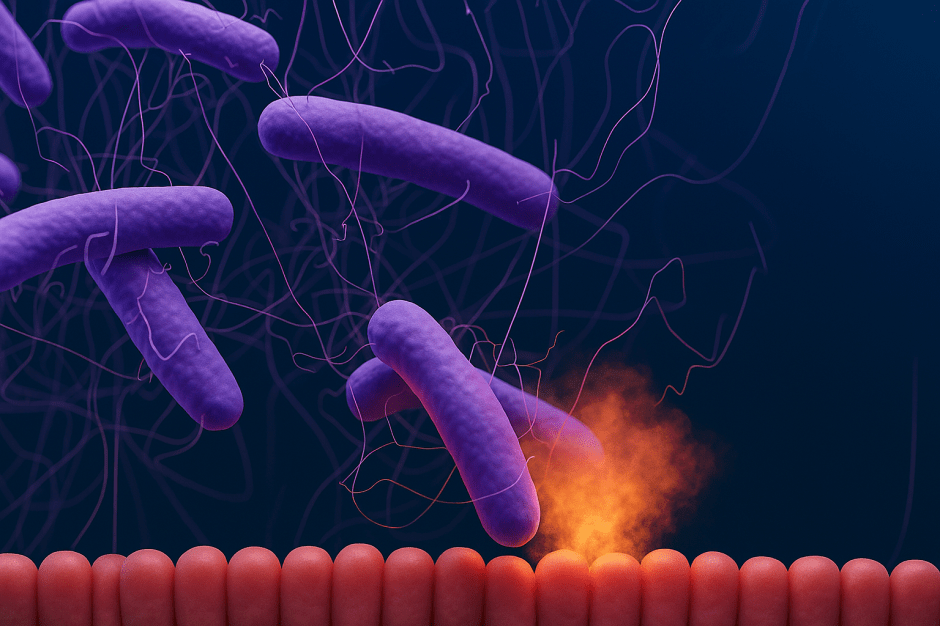
What they found was fascinating! Each protein source created its own unique set of gut microbiome, almost like a fingerprint. So, mice eating egg white had different bacteria than mice eating brown rice. Not only were these bacteria very different from each other, but their behavior and functions had changed, too. Some produced enzymes to break down amino acids, and others made enzymes that can affect the mucus layer protecting the gut wall. This shows that good bacteria just don’t live in your gut; they adapt and respond to what you feed them.
The scientists took a closer look at two protein sources: brown rice protein and egg white protein because they wanted a clean comparison between animal and plant proteins without extra nutrients like fat or sugar interfering. These two proteins allowed them to isolate the effects of protein source alone on the gut microbiome. Brown rice protein caused bacteria to produce more enzymes that break down amino acids, suggesting that gut bacteria were working harder to digest the rice-based protein. Egg white protein, on the other hand, led to more activity linked to breaking down the gut’s mucus layer, which protects the large intestines. Another interesting result emerged from this study, which showed that small fragments of proteins are still left till they reach the large intestine, contrary to the popular knowledge that proteins are completely digested in the stomach and absorbed in the small intestine. These small protein fragments become food for the bacteria in the gut and help them thrive.

This study is important because it shows how the food we eat influences our gut and affects our overall health. If certain proteins encourage bacteria that damage the gut, there is a risk of inflammation, and on the other hand, some might promote helpful bacteria to support gut balance. However, like any other study, this might not be fully accurate on humans as it was tested on mice.
But it does raise questions for young minds out there. Could this be the same pattern in humans? Or what happens if the proteins are mixed like a regular human diet? This has also opened a whole new avenue of personalized nutrition which basically means designing diets that fit individual gut microbiomes to keep people healthy. This study reminds us that food isn’t just fuel for the body. It is also a nourishment for the inner microbial world. When you feed yourself, you are feeding an entire ecosystem! Healthy food, happy microbes, happier you.
Link to the original post: Blakeley-Ruiz, J. A., Bartlett, A., McMillan, A. S., Awan, A., Walsh, M. V., Meyerhoffer, A. K., Vintila, S., Maier, J. L., Richie, T. G., Theriot, C. M., & Kleiner, M. (2025). Dietary protein source alters gut microbiota composition and function. The ISME Journal. https://doi.org/10.1093/ismejo/wraf048
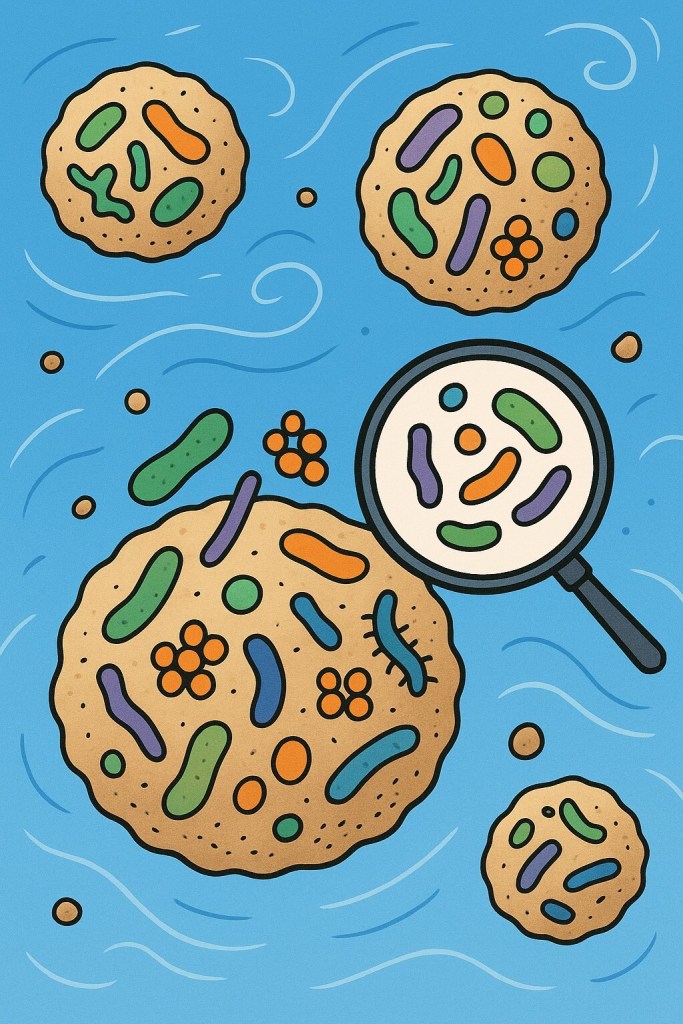
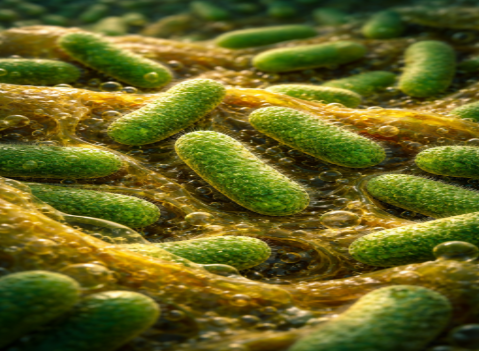
Featured image: Image created by ChatGPT



 micro-bites.org