

Breaking down the microbiology world one bite at a time
Are (dietary) fats making your gut anxious?
GUT MICROBIOME
The gut microbiome is the group of microorganisms, including bacteria, fungi, and viruses, and their genes (metagenome), that live in the digestive tracts of animals. The different regions of the digestive tract harbour a different microbial composition of the gut microbiome. Actinomycetota, Pseudomonadota, Bacteroidota, and Bacillota are the four main bacterial phyla that are found in the human gut. The genera Bacteroides, Clostridium, Faecalibacterium, Eubacterium, Ruminococcus, Peptococcus, Peptostreptococcus, and Bifidobacterium are home to the majority of bacteria. To a lesser degree, other genera like Escherichia and Lactobacillus are also present. About 30% of all bacteria in the stomach are species from the genus Bacteroides alone, indicating that this genus is particularly significant for the host’s proper functioning.
CLINICAL IMPORTANCE OF GUT MICROBIOME
The diversity of available research makes it abundantly evident that the microbiome, whether it is healthy or not, is a product of environmental and lifestyle factors such as diet, geography, and ethnicity, as well as host genetics. Many studies prove that the gut microbiome could serve as a bridge between dietary modifications and host characteristics, with the products of food microbial breakdown having an impact on systemic metabolism throughout the body. Therefore, any imbalance in the gut microbiome equilibrium (gut microbiota dysbiosis) can lead to the development of diseases. For example, diabetes is linked to distinct changes in the gut microbiome or alterations in the gut metabolome, i.e., a group of compounds resulting from microbial interactions with food. In addition to this, dysbiosis is also associated with a high risk of colon cancer. Interestingly, gut microbiota dysbiosis has also been associated with SARS-CoV-2 infection.
GUT MICROBIOME AND ANXIETY
The gut microbiome-brain axis is a two-way axis that communicates through hormone, immunological, and neurological pathways. Gut-brain signalling is initiated by nutrient sensing through the specialized neuroendocrine cells of the intestine, activated by proteins, carbohydrates, and lipids. This leads to the release of various gut peptides that act either locally on the peripheral nervous system or signal directly to the central nervous system in an endocrine fashion (via hormones). The gut microbiome is known to be linked to various psychiatric disorders, such as depression, anxiety, schizophrenia, and autism, in both rodents and humans.
A recent study by de Norohna et al. suggested the role of the gut microbiome and the serotonergic brain system in the relationship between a high-fat diet and anxiety. The serotonergic system is important for metabolism as well as in the development of anxiety-like behaviours (Dorsal raphe nucleus). The authors showed that a high-fat diet alters the gut microbiome composition, which in turn may influence metabolic factors related to obesity and further affect the brain chemicals linked to anxiety-like behaviours via the gut-brain axis.
These results were based on a 9-week-long study on rats with different diets: 12 rats fed a high-fat diet and 12 rats fed a control diet. Faecal samples were collected at the end of every week to examine the gut microbiome, while behavioural tests on the rats were carried out at the end of the study. Other factors, such as body weight, body fat, and weight gain, were also investigated. The rats fed a high-fat diet showed increased body weight and body fat, along with a lower alpha gut microbiome diversity. Furthermore, in comparison to the rats fed on a control diet, the rats on a high-fat diet showed higher relative abundances of the phylum Bacillota. In terms of genera, these rats were characterized by the lower prevalence of Prevotella and Lactobacillus and the higher prevalence of Dorea, Blautia, and Allobaculum. Generally speaking, less bacterial diversity is associated with poorer health.

In addition to this, the rats on a high-fat diet also showed increased expression of serotonin-producing genes and their signalling to the brain. Serotonin, although claimed to be a happy hormone, can sometimes temporarily trigger anxiety-like behaviour and fear. This explains the significance of the gut-brain axis in mental health, as gut microbiota dysbiosis can lead to altered serotonin levels, thereby impacting stress, anxiety, mood, and the overall mental health of the animal.
This study appears to be a progressive proof of the statement “All disease begins in the gut.” Thereby, it is a step towards better understanding the role of diet and gut-brain axis in mental health, which will help us open possible gateways to the development of new therapeutics to target mental health, not only for animals but also for humans.
ADDITIONAL SOURCES
1. F. Shanahan, T.S. Ghosh, and P.W. O’Toole, The healthy microbiome – What is the definition of a healthy gut microbiome?, Gastroenterology¸160(2), 483-494, January 2021. DOI: 10.1053/j.gastro.2020.09.057.
2. E.J. Howard, T.K.T. Lam, and F.A. Duca, The gut microbiome: Connecting diet, glucose homeostasis, and disease, Annual Reviews of Medicine, 73, 469-481, October 2022. DOI: 10.1146/annurev-med-042220-012821.
3. T. Hrncir, Gut microbiota dysbiosis: Triggers, consequences, diagnostic, and therapeutic options, Microorganisms, 10(3), 578, March 2022. DOI: 10.3390/microorganisms10030578.
4. I.M. Andrioaie, A. Duhaniuc, E.V. Nastase, L.S. Iancu, C. Luncă, F. Trofin, D.T. Anton-Păduraru, and O.S. Dorneanu, The role of the gut microbiome in psychiatric disorders, Microorganisms, 10, 2436, December 2022. DOI: 10.3390/microorganisms10122436.
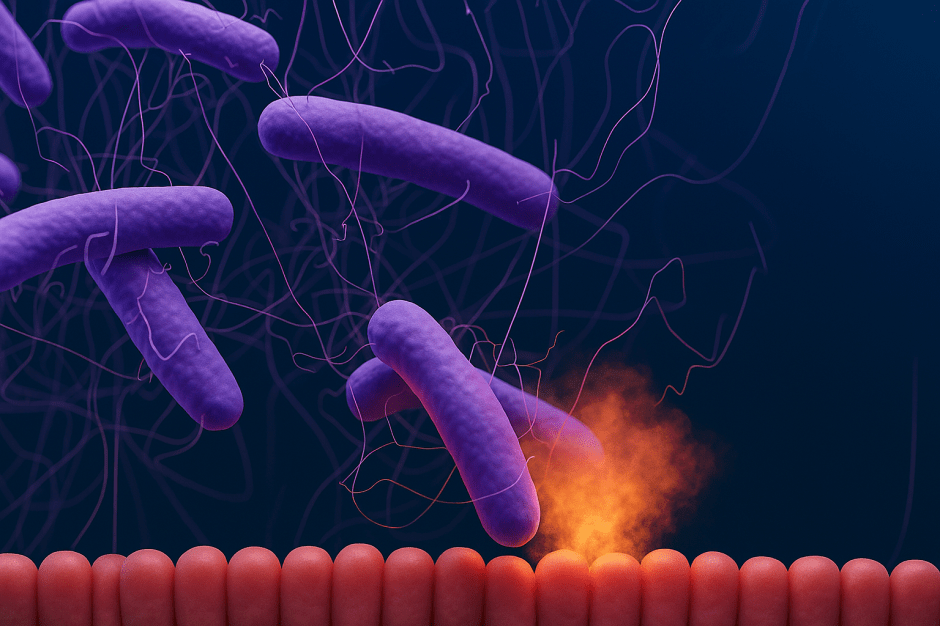
Featured image: Featured image (Created by the author using Canva)








 micro-bites.org