
Breaking down the microbiology world one bite at a time
Underdog Versus Final Boss: How Vitamin C Helps Antibiotics Work Better
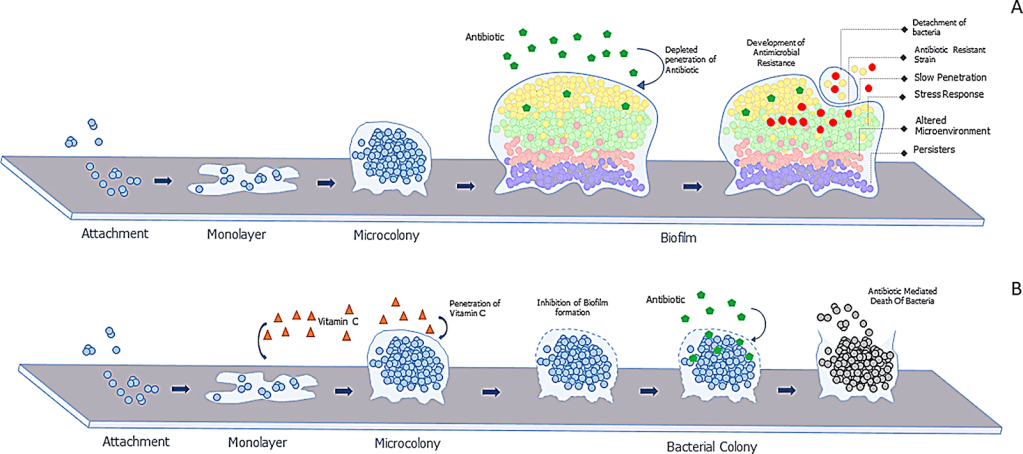
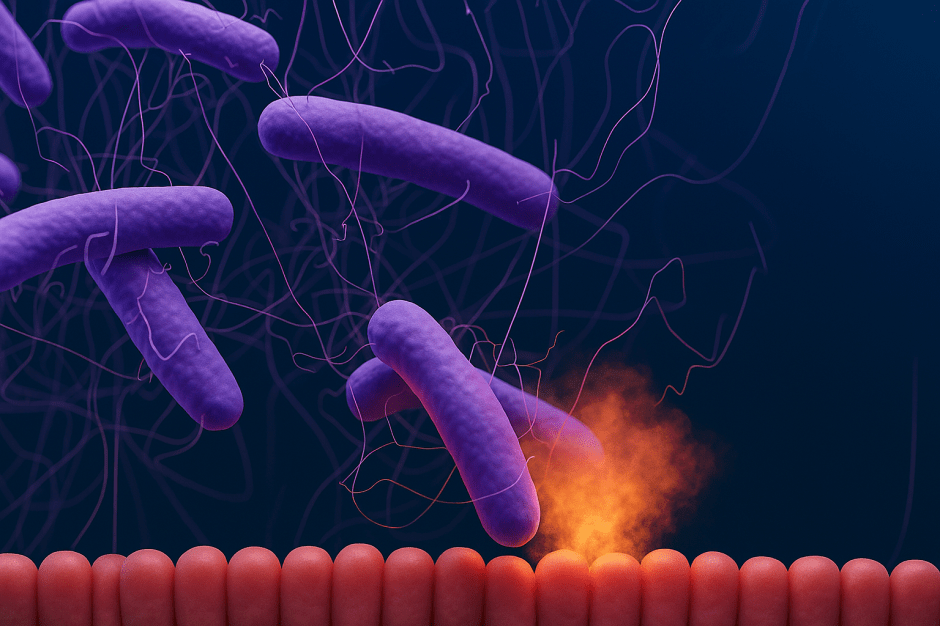
How would you imagine bacteria to exist? Maybe the first image to cross your mind is a lot of tiny bacterial cells freely floating around happily in some sort of medium. This is what scientists thought for a long time as well, but it happens that bacteria are pretty extroverted, more strategic, than how we imagine them to be. It turns out that bacteria rarely live in such solitude, but live more as a community. Over time, these bacterial communities surround themselves with a slimy, self-made protective layer, which we call biofilms. Bacteria in biofilms are like final bosses in video games, resisting attacks from antibiotics, as their slimy protective shields almost prevent the antibiotics from entering. But research by Rahim and colleagues discovered that vitamin C, yes, a surprising ally, can help weaken these microbial shields and make antibiotics that previously wouldn’t work against these bacteria, work again.
Now, what if these biofilm-forming bacteria are antibiotic-resistant? That really worsens the scenario. It’s like giving more ammo to the already powerful final boss. And this problem formed the basis of this research. In this study, they collected 117 bacterial samples from infections in patients with diabetic foot ulcer, and out of these 117 samples, 80 were multidrug resistant meaning, these bacteria were resistant to multiple antibiotics, and from these 80, 58 were really good at forming biofilms. The researchers then tested vitamin C on 58 bacterial isolates and most of them belonged to the genera Escherichia coli, Klebsiella and Staphylococcus.
But why vitamin C out of all possible things that they test these on? This is because previous research suggested that vitamin C is cheap, and can interfere with biofilm-producing bacteria by interacting with the sticky substances (EPS- Extracellular Polymeric Substance) they use to build biofilms. Biofilms are also one of the key reasons why antibiotics fail to work as well; this makes vitamin C a good candidate for testing.
So, what did they find out? The researchers found out that at certain concentrations, vitamin C itself stopped the bacteria from growing. And this shows that vitamin C at the right concentrations can directly affect the bacteria. Now to check whether vitamin C affects the biofilm formation ability of the bacteria, they tested vitamin C at sub-inhibitory concentrations, which simply means at a concentration lower than the normal concentration that is required to stop the bacterial growth, which is technically low enough to keep the bacteria stop growing but high enough to interfere with their ability to build protective biofilms. And they found out that at some of these sub-inhibitory concentrations, vitamin C prevented the bacteria from forming biofilms as well.
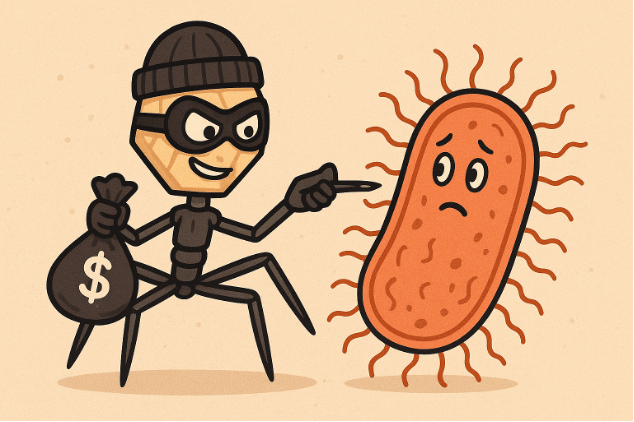
All these looks cool but things are about to get a lot more interesting now. The researchers then tested vitamin C with antibiotics that these bacteria were resistant towards. Some of these antibiotics that they tested, such as oxacillin and amoxicillin, were completely ineffective against these bacteria. But when they supplemented these with vitamin C, the bacteria surprisingly became vulnerable again. This is like giving your underdog a power-up. What vitamin C did here was that, they stripped the bacteria from their protective biofilm shields, and this helped the antibiotics do their job again. Indeed, a second chance for our underdogs!
But what did vitamin C do at the molecular level to these biofilm-forming bacteria though? They found that inside these bacteria, there is a gene called recA that is part of the bacterial systems that help in triggering protective responses. The researchers found out that vitamin C reduced the activity of the gene and hence made the bacteria less able to activate their emergency response systems as well.
The most insightful part of this research is that vitamin C is something that’s part of the normal diet that we have, and the fact that this compound can play a big role in fighting bacterial infections when combined with antibiotics, which are deemed to be not useful anymore, is pretty exciting. Vitamin C is what scientists call a non-lethal disruptor. It simply means that it does not kill the bacteria directly, but it can disarm the bacteria from its protective systems. It therefore opens a way for the antibiotics to finish their job.
This research, hence, encourages more research with this kind of strategy, maybe with other non-lethal disruptors and antibiotic combinations. With antibiotic resistance being a problem that the healthcare system struggles to counter, this type of strategy might become an important part of fighting drug-resistant infections in people around the world.
Link to the original post: Rahim, S., Rahman, R., Jhuma, T.A. et al. Disrupting antimicrobial resistance: unveiling the potential of vitamin C in combating biofilm formation in drug-resistant bacteria. BMC Microbiol 25, 212 (2025). DOI: https://doi.org/10.1186/s12866-025-03800-3
Featured image: chatgpt







 micro-bites.org