

Breaking down the microbiology world one bite at a time
Bacteria help beetles adapt to climate change
Bean-eating bacteria
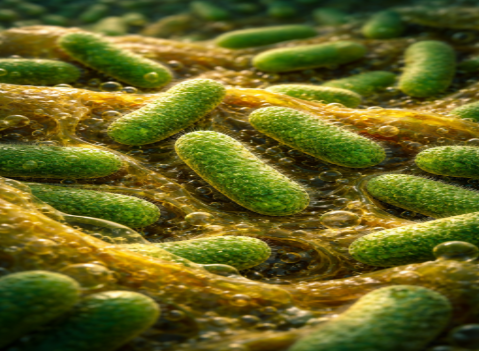
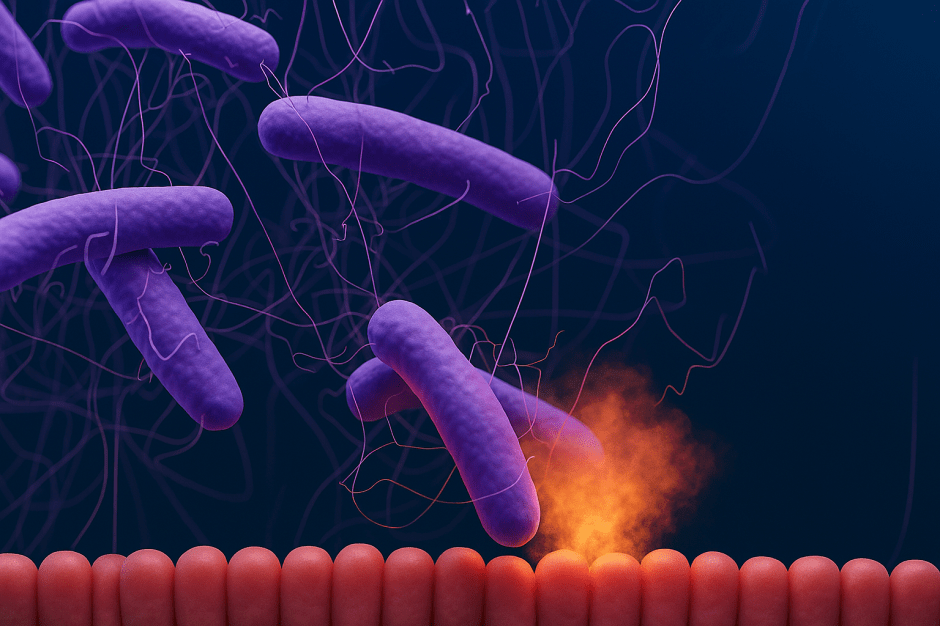
Azuki beans are regularly infected by a beetle called Callosobruchus chinensis, which destroys the seeds. The beetle, in turn, is often infected by the bacterium Wolbachia pipientis, an endosymbiotic microbe that lives inside the beetles’ cells. The azuki bean beetle is not the only insect to be infected by Wolbachia: it was estimated that this bacterium infects around 52% of arthropod species. Wolbachia has been shown to affect the host in various ways.
It often spreads through insects’ reproductive systems and, in some insects, causes cytoplasmic incompatibility. This makes uninfected female reproductive cells no longer compatible with infected male reproductive cells. Like this, only infected females can pair with infected males, allowing Wolbachia to spread.
In the azuki bean beetle, Wolbachia infection reduces the reproductive capacity, but the bacterium also has some positive effects. Infection decreases development time and increases mobility and the number of sperm donated to females per mating.
Climate change adaptation
Just like all life on the planet, the azuki bean beetle is also affected by climate change and has to adapt its survival strategy. One way to adapt to stressful climate change conditions might be to regulate egg size, as increased egg size can enhance offspring fitness. And since Wolbachia has been shown before to affect reproduction, it is not a stretch to hypothesise that the bacterium could help regulate egg size in the case of climate change.
Simulating climate change in the lab
In this paper, the researchers therefore tested whether Wolbachia infection influences the control of egg size in the azuki bean beetle and whether climate change conditions play a role in this regulation. To do this, they compared beetles infected with Wolbachia to those uninfected, in control (normal) versus climate change conditions. Climate change conditions were simulated by increasing the CO₂ to twice the concentration and the temperature from 30 °C to 32 °C.
From the cradle to the grave
The experimental procedure was as follows. A female-male beetle pair was introduced into a dish containing azuki beans and allowed to lay eggs under either control or climate change conditions. The hatched eggs were then measured, and the newborn beetles were monitored until they died.
Complicated interactions
The researchers found a complicated relationship between climate change, Wolbachia infection, beetle egg size, offspring sex, and survival. They found that climate change conditions reduced the egg size in non-infected beetles but accelerated the development of the newly born beetles. The male offspring had a shorter lifespan under climate change conditions, but this did not affect the female offspring.
However, when the parents were infected with Wolbachia, male egg size increased under climate change conditions. Generally, larger eggs mean faster development and a longer life (regardless of sex). Infection with Wolbachia therefore allowed male beetles to live longer, but not the female ones. The researchers hypothesized that this male bias could be advantageous for the population of beetles because it could give more opportunities for males to mate with newly emerging females and therefore create more offspring. However, it was not explained how Wolbachia might cause this sex difference.

The researchers concluded that Wolbachia infection enabled host beetles to adjust male egg size in response to stressful environments, improving early-life survival and fitness. It is the first study to demonstrate sex-specific egg size adaptability due to Wolbachia infection.
Even though the precise mechanisms remain to be elucidated, this article is another example of the interconnectedness of life on our planet and the crucial role of microbes in this complicated web.
Link to the original post: Leroy, E., Gao, S., Gonzalez, M. et al. Wolbachia infection facilitates adaptive increase in male egg size in response to environmental changes. Sci Rep 15, 13213 (2025).
Featured image: Created by the author with images from needpix and wikimedia.







 micro-bites.org