
Breaking down the microbiology world one bite at a time
The Hidden Link: How Animals Could Fuel the Spread of COVID-19
Severe acute respiratory syndrome coronavirus 2 (SARS-Cov-2) caused a global pandemic outbreak from viral illnesses such as the coronavirus disease 2019 (Covid-19), as stated by the World Health Organization. The first cases of Covid-19 were reported in China, within the province of Hubei, Wuhan in late December 2019, with 36.5 million people infected by the disease.
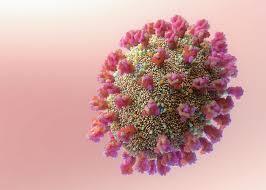
Covid-19 is a non-segmented, single-stranded, positive-sense RNA genome which is known to have the largest genome structure for an RNA virus. The coronavirus genome contains a 5’ cap and 3’ poly(A) tail. The host cell binds to this viral tail through an enzyme called angiotensin-converting enzyme 2 (ACE2). ACE2 plays an important role binding SARS-CoV-2 to host cells. The 5’ cap adds a genetic sequence at the start of the mRNA to begin to process and the 3’ poly(A) tail adds a chain of genetic sequences to end to finalise the translation of the message. The translation phase of mRNA is conducted through an enzyme called replicase polyprotein that replicates the viral genome.
People who contract Covid-19 usually experience symptoms 5 to 6 days after exposure and recover within 1 to 14 days. The most common symptoms of Covid-19 are fever, sore throat, and chills. Although Covid-19 vaccines provide strong protection against severe illness and death, people can still contract the virus after vaccination. However, the symptoms are more likely to be mild to no effect.
An example of a Covid-19 vaccine was developed by Pfizer-BioNTech and Moderna; the vaccine is a synthetic mRNA that contains a modified coding sequence of the target virus antigen, which undergoes translation by a human cell. A synthetic mRNA is like a handwritten pre-made recipe list of human genetic information created by scientists; the list also contains instructions for how the information should be followed, which is delivered to the cell’s kitchen (the ribosomes). The cells can then follow the list on how to make a specific dish (viral protein) to stimulate the immune system to respond to the targeted virus.
A preventative measure for Covid-19 involves early diagnosis through early stages of testing. This involves the method Reverse-Transcription Polymerase Chain Reaction (RT-PCR) by taking a swab from the nose or mouth, then making copies of RNA into DNA to analyse the data. The results can take between four hours to a few days. An example of a preventative measure includes “to wash hands diligently, practice respiratory hygiene……and avoid crowds and close contact with ill individuals”.
The original transmission of Covid -19 came from bats through animal-human transmission sourced from the local seafood market in Wuhan city. However, an intermediate host is required to be present throughout the animal- human transmission journey to pass on the disease from the bats. Examples of intermediate hosts include snakes, cats, dogs and other mammals.
Although animal-human transmission of Covid-19 is considered low risk, there is still a possibility that animals (including domestic animals or pets) can become infected by the virus and spread the virus to humans; this method of transmission is called spillover. Therefore, identifying the susceptibility of animals towards Covid-19 will contribute to understanding how to further prevent animal-human transmission, especially if it involves pets.
A study assessed the risk of animal-human transmission by analysing the binding affinity of the spike protein sequence taken from Covid-19 with ACE2 in animals. The measurement of animals’ ACE2 susceptibility to SARS-CoV-2 spike protein was similarly compared to humans’ ACE2 susceptibility to the virus. However, the study revealed that animals were more likely to contract the virus at a phylogenetic distance less than 0.5 or 50% nucleotide substitutions per site compared to humans.
Phylogenetic distance relates to the measurement of how similar two species or genes, ACE2 and the SARS-Cov-2 spike protein, are with each other. However, there are a minority of animals that are resistant towards the virus; for example, the ACE2 within pigs are different in comparison with humans. Hence, they are resistant towards the virus.

On the other hand, a SARS-CoV-2 spillback event of animal-to-human transmission on a large-scale has been demonstrated in the Netherlands through a mink farm. The humans in the mink farm were in close contact with the animals. The outcome revealed that there was a 68% spillback towards the farm workers. The spillback event also revealed that the minks have a close phylogenetic distance between their ACE2, and SARS-Cov-2 spike protein. Yet, other than the animals already classed as intermediate hosts there were also other animals, such as cows, which contained the same phylogenetic distance between their ACE2 and the SARS-Cov-2 spike protein.
Therefore, the next question to be raised is, just how many intermediate hosts are there and what is the percentage of spillback onto humans? These questions have shown that further research is required to prevent a large percentage of animal-to-human spillback of SARS-Cov-2 and to avoid other animals becoming infected by the virus.
Additional Sources:
- CDC (2020). Animals and COVID-19. [online] Centers for Disease Control and Prevention. Available at: https://www.cdc.gov/coronavirus/2019-ncov/daily-life-coping/animals.html [Accessed 15 Apr. 2025].
- CDC (2025). Coronavirus disease 2019 (covid-19) vaccine safety. [online] Vaccine Safety. Available at: https://www.cdc.gov/vaccine-safety/vaccines/covid-19.html [Accessed 15 Apr. 2025].
- Cleveland Clinic (2021). PCR Test for COVID-19: What it Is, How its Done, What the Results Mean. [online] Cleveland Clinic. Available at: https://my.clevelandclinic.org/health/diagnostics/21462-covid-19-and-pcr-testing [Accessed 15 Apr. 2025].
Featured image:








 micro-bites.org