
Breaking down the microbiology world one bite at a time
A gut shield for bumblebees
Gut microbiota plays a crucial role in all living organisms, including insects. Normal gut microbiota has several functions; for bumble bees, it is essential for nutrition and digestion, and several studies have shown that it can also protect against pathogens.
A common pathogen in bumblebees is the parasite Crithidia bombi, which adheres to their intestinal tract. Infection with this parasite decreases their survival and has several consequences, including reducing the colony’s success. Several studies have shown that the gut microbiota in bumblebees can protect against this parasite (see additional sources). However, a recent study showed how the gut microbiota protects against this parasite.
In this study, the authors explored several ways the gut microbiota can protect against this parasite infection. The authors proposed two hypotheses: 1) The gut microbiota may stimulate the immune system and induce the expression of molecules called antimicrobial peptides that can directly attack the parasite. 2) The infection may alter the gut microbiota and promote the growth of beneficial microbes, which can compete with the parasite for space and resources and protect the bumblebee.
To explore these possibilities, the authors used a protocol to rear bumblebees in germ-free conditions, i.e., without microbiota in sterile conditions. To compare with the insects harboring microbiota, the authors experimentally restored the microbiota in bumblebees by feeding them with a source of bacteria from their original colony. In this way, they compared the effects of infection in individuals without microbiota (Group 1) and individuals with repaired microbiota (Group 2).
Once bumblebees were infected, the authors evaluated the number of parasites in each group of bumblebees. They observed that bumblebees in Group 2 had less than half of the parasites than the bumblebees in Group 1, indicating that the gut microbiota protected the bumblebees against parasite infection. They also evaluated the expression of antimicrobial peptides and found a trend in the increment of these molecules activated as part of the immune response against the parasite. However, the expression of these molecules was very variable between colonies, and it was not significant, indicating that the expression of these molecules might not greatly impact the protection against infection.
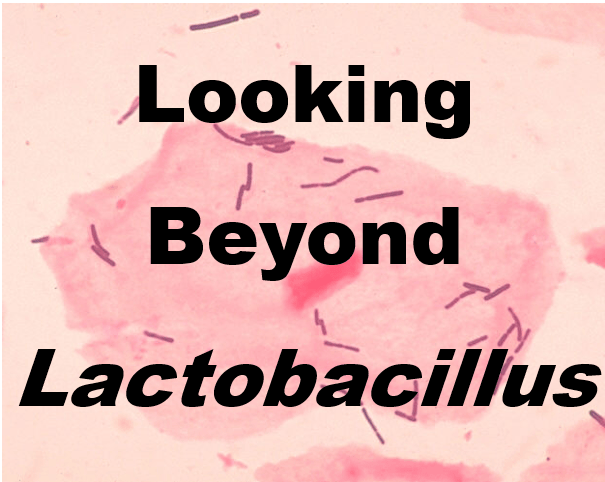
Finally, the authors also evaluated the effects on the microbiota during the parasite infection. They observed an increment in the abundance of Lactobacillus bacteria during the infection (Figure below), which has been associated with protective effects in several insect species during infections. Thus, the results of their study supported their second hypothesis and showed that the parasite infection promoted the expansion of beneficial microbes in the gut of the bumblebees, including the Lactobacillus bacteria.

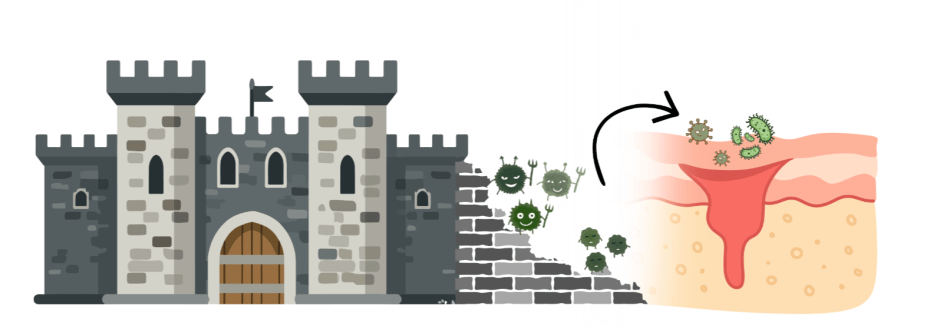
In other words, imagine that Crithidia bombi is a “Decepticon” able to attack and surprise the immune system of bumblebees. However, bumblebees can activate their gut shield, by expanding their gut microbiota, specifically Lactobacillus. This internal gut shield protects the bumblebee from the attack of the “Decepticon” Crithidia bombi and helps prevent several effects of the disease.
Link to the original post: Blasco-Lavilla N, López-López A, De la Rúa P, Barribeau SM. Infection by Crithidia bombi increases relative abundance of Lactobacillus spp. in the gut of Bombus terrestris. Mol Ecol. 2024 Sep;33(17):e17478.
Featured image: Image generated by the author using Microsoft Bing