

Breaking down the microbiology world one bite at a time
Unexpected baby-guardians
Preeclampsia is a serious complication of pregnancy, affecting 5-8 % of gestations worldwide. However, not every pregnancy is threatened by this condition, as it is highly connected with the state of the mother’s immune system, as well as her general metabolism, and the bacteria present in her gut. Despite its impact, preeclampsia remains hard to predict and prevent.
Preeclampsia affects several systems in the mother’s body. It is characterised by high blood pressure, which can be accompanied by the appearance of increased levels of protein in urine (indicating kidney failure), together with other symptoms. Experts associate the onset of preeclampsia with defects in the correct development and functioning of placental blood vessels. When blood circulates incorrectly in the placenta, it can lead to improper regulation of the mother’s blood pressure.
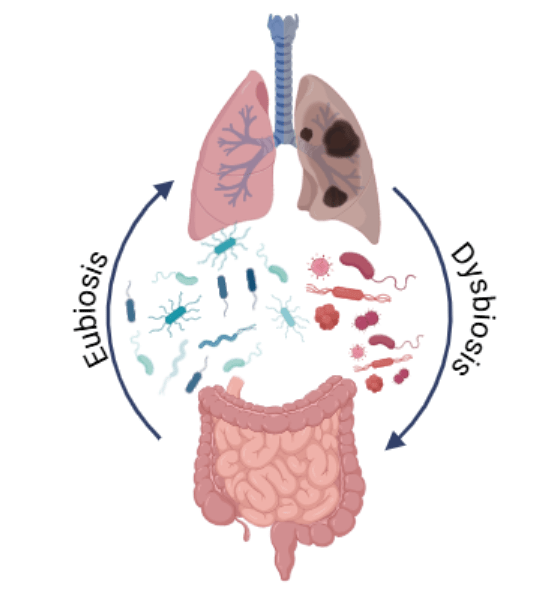
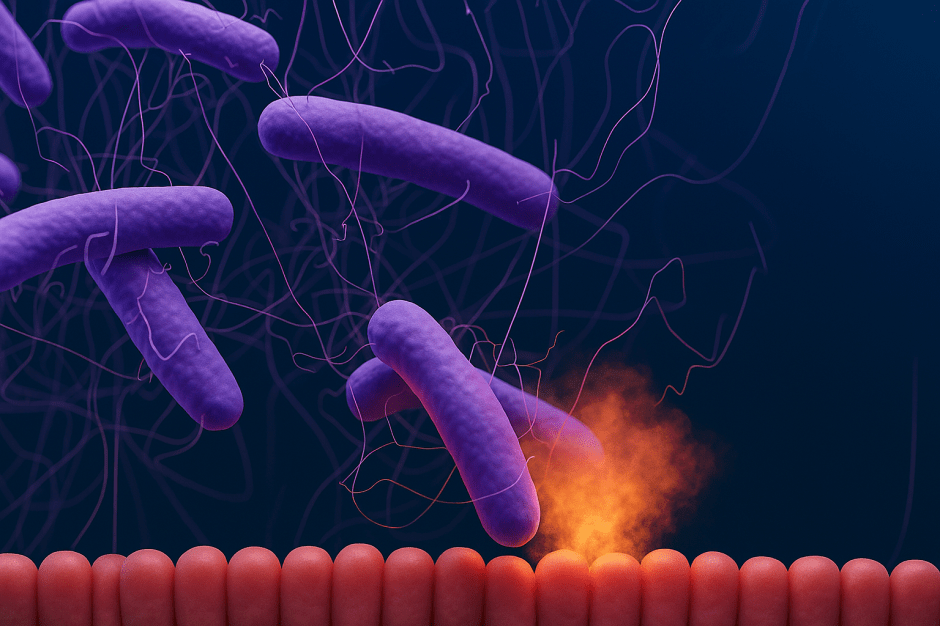
In their 2025 Nature publication, Giugliano and colleagues establish a clear link between gut dysbiosis (the disruption of the gut microbiota profile, as opposed to eubiosis, the healthy balance of the bacterial population of the gut) and the advent of preeclampsia.
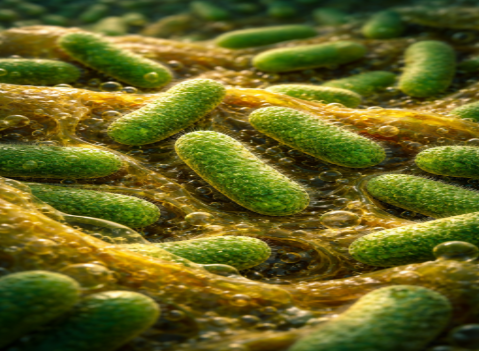
Initially, to determine whether or not there existed a connection between gut dysbiosis and preeclampsia, the scientists chose to carry out experiments using pregnant dams as their animal model organisms (I confess “dam” is a new word for me, and refers to female mice that are mothers). Gut dysbiosis was artificially brought on by treatment of the animals with the antibiotic vancomycin, which kills only certain gut bacteria, altering the profile of the population of bacteria that inhabit the gut (a.k.a. the gut’s microbiota). Specifically, you must keep in mind two relevant characteristics of vancomycin. In the first place, vancomycin does not kill all bacteria, but instead effectively eliminates one subtype of bacteria (known as gram-positive bacteria), leaving the remaining (gram-negative) population present in microbiota unaffected. In the second place, vancomycin is poorly absorbed by the intestinal tissue, so its action is largely concentrated in the gut, having no major effects in other parts of the animal’s body. In this way, working with vancomycin allows scientists to alter the gut microbiota specifically, while keeping the rest of the animal’s bacterial residents largely unaltered.
This shift in gut microbiota profile leads to a drop in the amount of sugar (glucose) in the intestine and affects how the placental tissue metabolises carbohydrates. In this altered context, certain immune cells (called NK cells) are unable to carry out their normal functions, which involve the generation of vital vascular tissue in the placenta. NK cells are present in high levels in the region that connects the placenta with the developing fetus, and their incorrect functioning leads to improper placental development and fetal resorption. Of interest is the observation that a placental region highly implicated in nutrient and gas exchange between mother and fetus is reduced in vancomycin-treated mice.

What is truly striking about these results is the fact that the effect of vancomycin is reversible: feeding the mothers glucose manages to restore the correct function of NK cells, which reduces fetal resorption to a large extent. Moreover, a valuable conclusion to be drawn from this work is that targeting the gut microbiota may represent a highly effective strategy for preventing preeclampsia.
However, the study also presents major challenges to be faced by future research. Among these, we can mention the obvious leap to be made in order to translate the results described in the mouse model to human pregnancy. Major physiological and immunological differences exist between mice and humans, including differences in placental structure and microbiota composition. As regards vancomycin treatment, its effect may not represent the varied microbial shifts occurring naturally in human dysbiosis, which could result from dietary changes, exposure to other antibiotics or varied environmental factors. These limitations highlight the challenges of modelling maternal gut microbiota-immune system interactions in pregnancy. For these reasons, further studies are needed to build a more comprehensive understanding of the relationship between gut microbiota and human preeclampsia. Hopefully, this work is underway, paving the path for the prevention of preeclampsia in future pregnancies.
Featured image: https://chatgpt.com/s/m_6887fc44c8a081918f95d524259dce15







 micro-bites.org