
Breaking down the microbiology world one bite at a time
Entacapone- A Promising Therapy for the Brain but a Potential Threat to Gut Health?
Parkinson’s disease is the most common neurodegenerative disorder, affecting 2–3% of individuals aged 65 years and older. It is characterized by neuronal loss leading to dopamine deficiency and the formation of α-synuclein aggregates. Parkinson’s disease affects the central nervous system (brain and spinal cord) and the peripheral autonomic nervous system (nerves), often from the early stages of the disease. Current treatment options are pharmacological dopamine replacement, complemented by non-dopaminergic therapies to address both motor and non-motor symptoms. As Parkinson’s disease progresses, patients develop motor complications, which are currently treated by deep brain stimulation therapy. While these treatments are effective at managing Parkinson’s symptoms, emerging evidence suggests that some medications may have unintended effects on gut microbiome composition, which could influence overall health outcomes.
The two most commonly prescribed drugs for Parkinson’s disease include 1) “Entacapone”, which acts by preventing degradation of levodopa, the main drug used in the treatment of parkinson disease, and 2)“Loxapine succinate”, primarily used to block dopamine receptors, thereby reducing hallucinations caused by schizophrenia. However, these two commonly prescribed drugs impact the gut microbiome, which affects the host’s health.
The present study mainly investigates the effect of these two nervous system-targeted drugs on whole gut microbiomes using complementary functional microbiome approaches. “Complementary functional microbiome approaches” refer to the integration of multiple methods and technologies to understand not just who is present in a microbiome (i.e., the taxonomy), but what they are doing (i.e., their functional roles). These approaches are combined to comprehensively understand microbial communities and their interactions with hosts or environments. Understanding how drugs affect the gut microbiome is critical, as many medications intended to target human cells can also impact microbial populations.
Many drugs designed for human cells also affect gut microbes due to poor absorption or biliary secretion, allowing them to reach the large intestine. There, they can alter the gut environment or interact with bacterial analogues of human proteins, impacting microbial growth, drug efficacy, and side effects. For instance, proton pump inhibitors reduce microbial resistance to pathogens. Entacapone primarily targets Gram-positive bacteria, while loxapine succinate affects Gram-negative taxa. This study explores how nervous system-targeted drugs influence the gut microbiome..
Drugs targeting the Nervous system, altering the gut microbiome
In this study, faecal samples from six healthy adults were examined. Results showed that high doses of Entacapone significantly reduced microbial cell counts. Both Entacapone and Loxapine succinate, at high and low doses, caused major changes in microbial community composition, with Entacapone also reducing microbial diversity. DNA sequencing is the most commonly used method to characterize microbial communities. 16S rRNA gene sequencing is the most commonly used microbial profiling technique that enables
the relative abundances of taxa to be compared across different samples.
Absolute abundance analysis showed that the levels of Bacteroides and Clostridium dropped significantly when exposed to high concentrations of either Entacapone or Loxapine, compared to untreated controls. This type of analysis measures the actual number of organisms, genes, or molecules in a sample, providing a true count rather than just relative proportions.
In contrast, differential abundance analysis revealed that high-dose Entacapone had a much stronger impact on the microbiome’s amplicon sequence variants (ASVs) than high-dose Loxapine. Differential abundance focuses on identifying statistically significant differences in the abundance of features, such as microbial taxa, genes, or proteins, between different groups or conditions.
The authors use 16S rRNA gene sequencing to assess the relative abundance of different bacterial types (i.e., what proportion of the community is made up of Bacteroides, what proportion is Clostridium, etc.). 16S rRNA gene sequencing identifies bacteria by their DNA. ASVs are the exact DNA sequences, unlike OTUs, which group similar sequences. This means ASVs distinguish between bacteria with very slight DNA differences. n by one nucleotide.
Notably, Entacapone was found to bioaccumulate inside gut microbes. Some gut microbes are known to absorb and store drugs, effectively pulling them out of their environment. In the present study, samples treated with high doses of Entacapone showed a strong signal during photothermal imaging. By mapping the signal intensity, it was confirmed that Entacapone accumulated in a large number of live microbial cells exposed to the drug, but in very few dead cells. Although no direct correlation was found between Entacapone levels and cellular activity, higher accumulation generally corresponds with reduced activity.
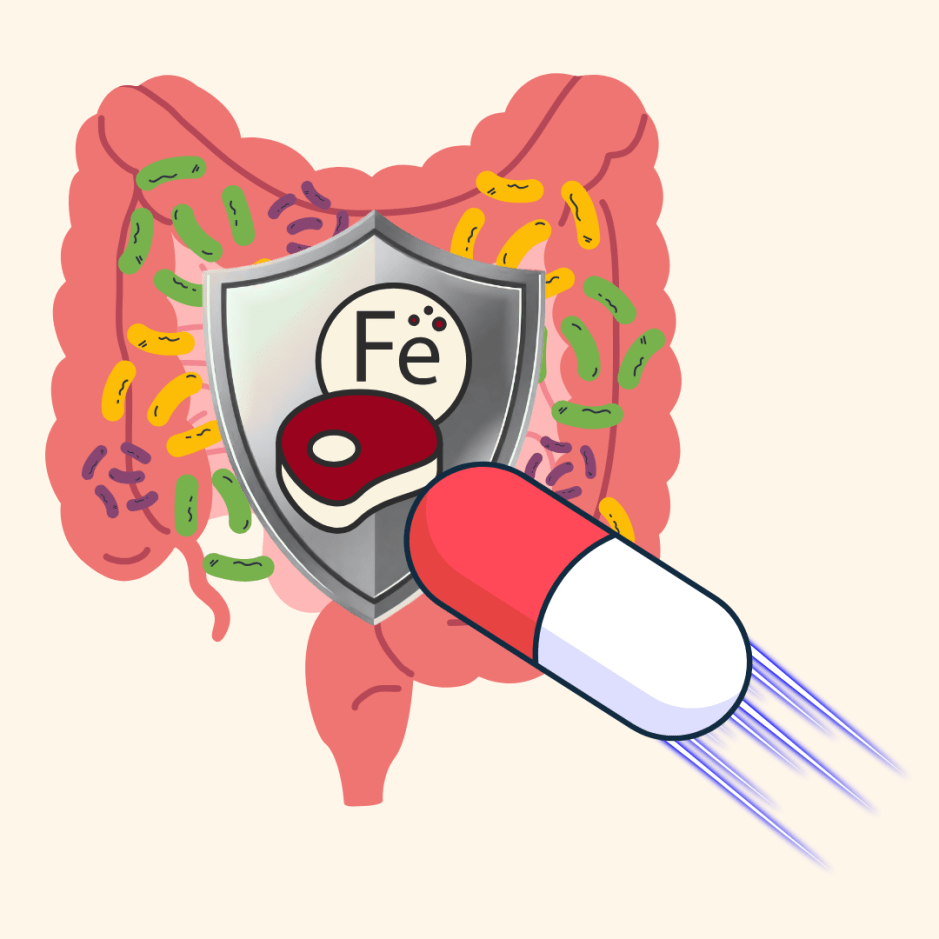
The accumulation of Entacapone appears to have functional consequences; it binds to ferric iron (Fe³⁺), limiting its availability to microbes. Since iron is a vital cofactor for bacterial growth, this sequestration led to reduced microbial biomass and a decline in dominant gut taxa—a disruption that was reversible with iron supplementation.
Some bacteria resisted these effects, possibly by using stored iron, having specialized transport systems, or breaking iron free from complexes. Interestingly, siderophore-producing E. coli D strains grew well in the presence of Entacapone, but only when other microbes were present, suggesting they benefit from shared resources or cross-feeding. This supports earlier findings of increased Enterobacteriaceae in Parkinson’s patients taking entacapone, which may help explain side effects like diarrhea.
However, this study used short-term lab experiments with microbiomes from healthy individuals. Longer studies in Parkinson’s patients, especially those taking Entacapone with Levodopa, are needed.
The growth of bacteria with siderophore production, antibiotic resistance, and virulence traits in response to entacapone is concerning, as these features are common in gut pathogens. This raises the need to assess whether entacapone increases the risk of gut infections, similar to what’s been seen with proton pump inhibitors (PPIs). Since oral iron can interfere with Entacapone and Levodopa absorption, timing iron supplements between doses or delivering iron directly to the colon may help reduce microbiome disruption. Colon-targeted drug binders like DAV132 could also be useful.

Finally, these findings improve our understanding of how certain neurological drugs impact gut health and suggest ways to reduce side effects through better treatment strategies.
Other references: Poewe, W., Seppi, K., Tanner, C. M., Halliday, G. M., Brundin, P., Volkmann, J., Schrag, A., & Lang, A. E. (2017). Parkinson disease. Nature Reviews Disease Primers, 3(1), 1-21. https://doi.org/10.1038/nrdp.2017.13
Schloss, P. D. (2021). Amplicon Sequence Variants Artificially Split Bacterial Genomes into Separate Clusters. MSphere, 6(4), e00191-21. https://doi.org/10.1128/mSphere.00191-21
Ahmed A, Clarke JO. Proton Pump Inhibitors (PPI) [Updated 2023 May 1]. In: StatPearls [Internet]. Treasure Island (FL): StatPearls Publishing; 2025 Jan-. Available from: https://www.ncbi.nlm.nih.gov/books/NBK557385/
Featured image: Created by the author using biorender.com










 micro-bites.org