

Breaking down the microbiology world one bite at a time
Sepsis Survival Dependent on Gut Microbiota
Experts are still uncertain about the protective factors against sepsis. Latest research has demonstrated that other factors beyond the pathogen itself may influence the host’s immune response. Metabolites that originate from the pathogen in sepsis can influence the activity of the aryl hydrocarbon receptor (AhR) in macrophages, a type of white blood cell, which in turn can affect survival after intraperitoneal (IP) infection. AhR is a cytoplasmic receptor that plays a role in regulating the immune system. Loss of AhR function can impact the levels of interleukin-10 (IL-10), a cytokine with inhibitory effects on inflammation, as observed in mice.
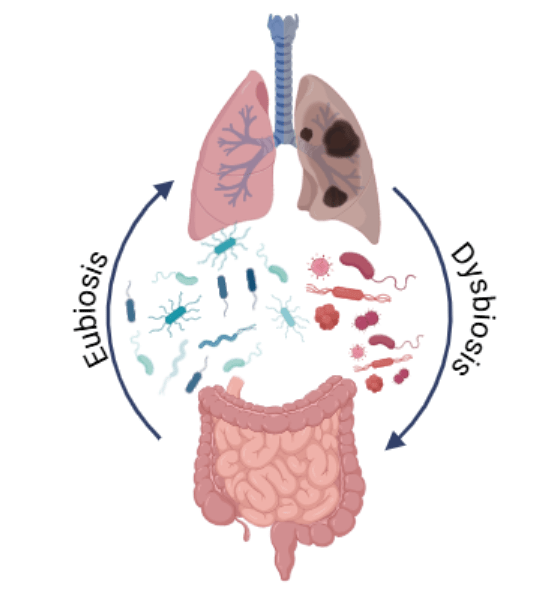
The gut microbiota can be affected by diet and antibiotics use; mice show more vulnerability to severe infection, especially after surgery. Research shows that increasing butyrate, a short-chain fatty acid, in the diet can improve survival rate. Scientists hypothesized that gut-microbiota-derived metabolites may be linked to survival differences among genetically identical mice. ‘Within-group mortality’ rates are affected by indole metabolites, through activation of AhR in macrophages. Indoles are heterocylic compounds that are widely found in nature. These metabolites decrease inflammation through increased expression of the M2 macrophage phenotype, an anti-inflammatory response.

Researchers studied how severe illness affects survival by tracking core body temperature l in mice. They found that mice that cleared Serratia marcensens infection at both 8h and 15 h, were more likely to survive. In contrast those that couldn’t clear the bacteria had higher risk of death, especially when key immune cells called macrophages were removed.
Macrophage survival depended on liposomes, small spherical vesicles that form lipid bilayers. The study showed that surviving mice had more indoles, as well as higher levels of tryptophan metabolites, which seemed to support their survival.
Indoles are known to activate AhR, the cytoplasmic receptor. It is hypothesized that AhR activation by indoles affects the immune response, leading to survival. The researchers performed transcriptional analysis via RNA sequencing to confirm the hypothesis. The results demonstrated a distinct gene expression pattern associated with survival. Additionally, AhR showed that it controlled the immune response and helped resolve inflammation through the production of anti-inflammatory factor IL-10.
The activation of indoles increased bacterial clearance. Research indicates that the ability of a pathogen to kill its host is dependent on a subverted immune system.
Inhibiting AhR showed to be effective to fight off other infections related to human sepsis, showing that metabolites and gut microbiota play an important role in survival. On the other hand, enterobactin, a molecule that acquires iron, did not stop AhR activation.. As a result, the immune system was weakened, leading to a higher risk of death.
Next, researchers tested oral tryptophan, an amino acid to see if it could improvesurvival.ice injected with the pathogen strain S. marcensens, were more likely to survive when supplemented with tryptophan.. This finding is significant, as this pathogen can cause late-onset sepsis.
Oral tryptophan is one factor that can affect gut microbiota, and impacts sepsis survival. While it was previously unknown what factors would affect mortality, researchers now have some insight into the mechanism of survival from the tryptophan. The study suggests that various factors including diet, antibiotics, and metabolites like tryptophan can affect the host’s immune response, potentially improving survival rates. Further exploration into how gut-derived metabolites interact with the immune system could lead to new therapeutic approaches for sepsis, demonstrating the importance of microbiota modulation and immune regulation in sepsis management.
Written by Korliss Britt
Link to the original post: Keskey, R.C., Xiao, J., Hyoju, S. et al. Enterobactin inhibits microbiota-dependent activation of AhR to promote bacterial sepsis in mice. Nat Microbiol 10, 388–404 (2025).
Featured image: Generated with Bing Image Creator










 micro-bites.org