
Breaking down the microbiology world one bite at a time
Our Unexpected Immune Architects
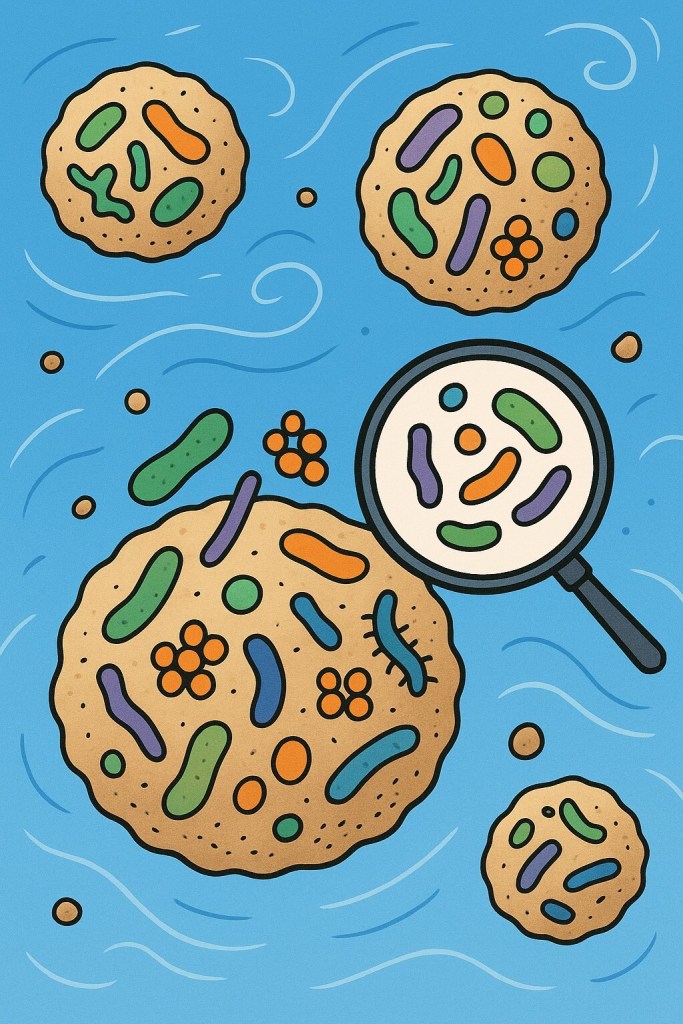
Studying the gut microbiome has quickly become one of the hottest fields in the scientific community, launching into public popularity with the promise of treatment beyond infectious diseases. When scientists refer to the gut microbiome, the focus is typically on the diversity of bacterial species; often overlooked from this perspective are the protists. A protist is defined as a typically single-celled, eukaryotic organism with diverse roles in both our ecosystems and our bodies. Unlike bacteria, which are single-celled, prokaryotic organisms, protists have a cellular structure more similar to that of a human. While we usually think of protists as parasitic microorganisms, meaning they derive benefits at the expense of a host organism, many actually exhibit commensalism, meaning the host is neither helped nor harmed by the presence of the protist. Excitingly, new research examining the role of commensal protists in gut microbiomes suggests that they can influence the hosts’ immune systems.
Enter Tritrichomonas spp.: A group of protozoan parasites associated with chronic diarrhoea in cats. Disgusting! Harmful! Parasitic! However, species of this gut protist can reside harmlessly in the intestines of mice and humans. Researchers investigated the role of Tritrichomonas musculis (T.mu) in the guts of laboratory mice. Interestingly, there was a strong correlation between the presence of T.mu in the intestinal tract and the accumulation of immune cells called eosinophils in the lungs. Eosinophils are a type of white blood cell and, when in high numbers, are associated with fighting parasitic infections and controlling inflammation during allergic reactions. The reported increase in lung eosinophils was found to ward off respiratory infections in the mice.
The question arises: How can the presence of a gut protist influence the immune system in a way that alters the environment of a far-reaching organ like the lung?
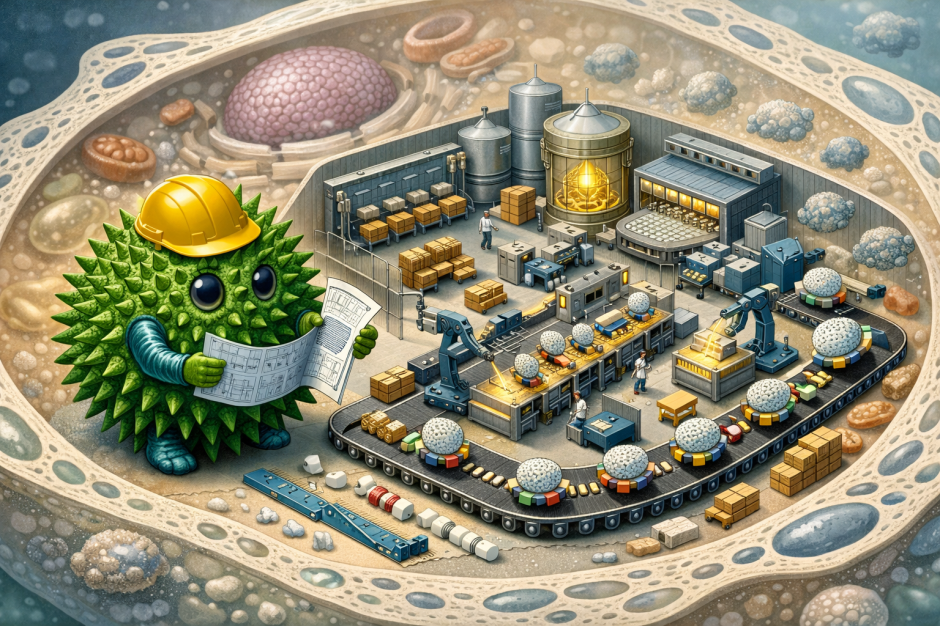
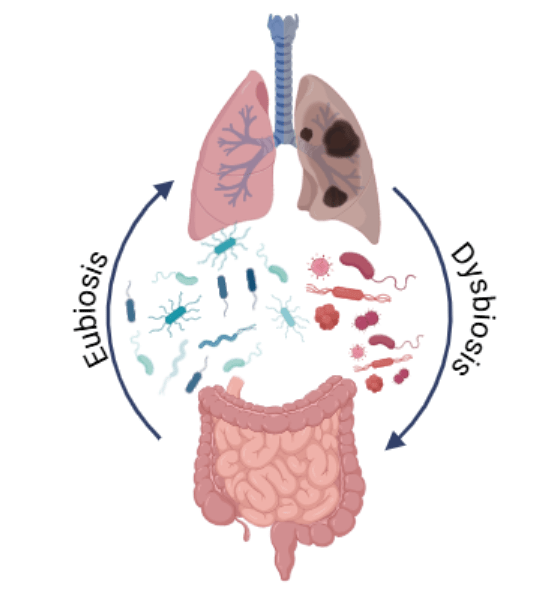
T.mu modulates a group of immune cells called ILC2, which are essential in promoting eosinophil accumulation and maintaining the lungs. By interacting with bacterial species in the gut microbiome, T.mu is able to activate gut ILC2 cells, which then leave the gut and travel through the bloodstream to the lungs in a process known as interorgan trafficking (Figure below).

Increased eosinophil count exacerbated inflammation in the lungs of mice, as would be seen with an allergic asthma reaction. Moreover, that same immune response could also block respiratory infections: the barrier formed by inflamed lung tissue prevented the entry of microorganisms. This protective response was even able to shield the lung against the dissemination of the top infectious killer, Mycobacterium tuberculosis, a notoriously hard-to-treat bacterial pathogen.
These findings seemingly extend to humans. Two commensal protists closely related to T.mu in mice, Dientamoeba fragilis and Pentatrichomonas hominis, inhabit the human gut microbiome. The researchers searched for protozoan DNA in patient sputum samples with severe allergic asthma, finding a link between colonization by these protists in the gut and inflammation in the lungs. While more research is still needed into these effects in humans, understanding any aspect of these intricate microbial relationships will be crucial for developing new therapeutic strategies.
Another recent study published in Cell suggested similar findings: complex interactions between intestinal protists and specific bacterial molecules, called sphingolipids, collaborate to influence immune responses. Sphingolipids are fatty compounds that play crucial roles in bacterial cell membranes, including cell organization and stability, cell signalling pathways, and inflammation responses. A cocktail of Tritrichomonas spp. was shown to shape host immunity at mucosal surfaces, which include the lungs.
Taken together, these two studies underscore the importance of protozoan interactions with the rest of the gut microorganisms in influencing hosts’ immune systems. The fact that T.mu was able to remotely influence the immune environment of a far-reaching organ like the lung is remarkable. It is becoming increasingly evident that the traditional gut microbiome field is rapidly advancing. Scientists are adopting a dynamic view of microbe-metabolite-host cell interactions in defining the influence of the gut environment on the rest of the body. New perspectives will be essential in understanding how our immune system detects and responds to microbial invaders and how we can exploit those interactions to promote immunity.
Additional references: To learn more about the critical role of commensal protists in our gut microbiome, click here.
Featured image: generated by Google Gemini





 micro-bites.org