

Breaking down the microbiology world one bite at a time
How sugar loving gut microbiota help fight obesity
Eating sugar is considered unhealthy, especially when it comes to losing weight. But who doesn’t love eating sugar? Interestingly our cravings for sugar may be influenced by more than just personal preference, since our gut is home to trillions of microbes that help in digestion and in our immune system. We all are aware that whatever we eat goes to the gut. There are a few organisms living there that help us in various ways. So what if I tell you there is a tiny microbe named Streptococcus salivarius (S. salivarius) that loves eating sugar and that can prevent us from gaining weight. S. salivarius thrives on sucrose, which is the same sugar we get from candies, soda, and desserts.
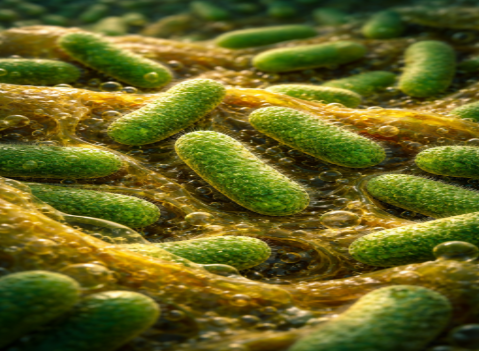
This study examined how Streptococcus salivarius affects weight gain in hosts consuming a high-sucrose diet. Researchers observed that S. salivarius flourished in environments rich in sucrose and produced exopolysaccharides (EPS). These EPS were then fermented by other gut microbes into short-chain fatty acids (SCFAs), compounds known to have various health benefits. In experiments with mice, those colonized with S. salivarius and fed a high-sucrose diet gained less weight compared to mice without this bacterium. This suggests that S. salivarius may help mitigate obesity associated with high sugar intake by producing EPS, which are converted into beneficial SCFAs in the gut.
What’s more fascinating about this bacteria is that it also helps regulate the balance of other microbes in the gut. When we eat sugary foods, harmful bacteria in the gut may flourish, leading to inflammation, disrupt metabolism, and gain weight. However, S. salivarius competes with these harmful bacteria for sucrose, limiting their growth and potentially reducing the negative effects of sugar on our metabolism. Moreover, by keeping harmful microbes in check, S. salivarius may also help improve the gut’s ability to absorb nutrients more efficiently, aiding in weight regulation. In this way, the presence of S. salivarius could play a role in maintaining a healthy weight, even when sugar is part of our diet.
When this little buddy eats sucrose, it produces a special sugar molecule that is called exopolysaccharide (EPS). Sucrose is the normal or table sugar that we consume usually. EPS then becomes food to other gut microbes and is broken down into smaller pieces by the other microorganisms present in our gut. These smaller pieces are called short-chain fatty acids (SCFAs). They play a key role in metabolism, help reduce fat, improve insulin sensitivity, and support digestion which makes it hard for the body to gain weight. In simpler terms, S. salivarius takes sugar and helps turn it into substances that can actually keep us healthier and leaner.
Other microbes live in the colon of the gut, but our sugar lover S.salivarius lives in the small intestine of the gut. The small intestine is the place where sucrose is broken down by the body, so this microbe competes with the body for sugar consumption. If the bacteria does not break sucrose down then the body degrades it and is then released into the bloodstream. In the small intestine sucrose is broken down into two components: glucose and fructose. This provides energy but also causes excess sugar to be absorbed in the bloodstream. Hence when S. salivirus takes the sucrose and breaks it down into EPS, it can help to reduce blood sugar levels as well as obesity.
Healthy people have higher levels of S. Salivarius as compared to obese people. This bacterium can be a friend as well as a foe, since higher levels can cause ulcerative colitis.
The research also suggests that we can use this S. Salivirus as a probiotic, a supplement containing beneficial bacteria that supports gut health. There could be two main approaches for this, either probiotic supplements and prebiotics, a type of food that feeds the growth of benificial bacteria. Scientists are exploring whether taking S. salivarius as a probiotic could help regulate their weight, especially those people who consume high amounts of sugars. Another approach could be using a prebiotic for S. salivarius growth, instead of directly consuming the bacteria. This could be done by feeding the bacteria directly with nutrients and proteins that support its growth.
This growing interest in S. salivarius as a probiotic stems from its natural presence in the human body and its potential benefits beyond gut health. By understanding how this bacterium interacts with the microbiome, researchers are uncovering ways to harness its effects through both direct supplementation and dietary support. In addition to targeted probiotic and prebiotic approaches, everyday foods may also serve as natural sources of S. salivarius, further emphasizing the link between diet, microbiota, and overall health.
S. salivarius can also be found in some common food products, such as yogurt, cheese, sourdough bread, kimchi etc. Infants can naturally get S. salivarius from the breast milk as is present in mothers oral microbiome.
The connection between diet, microbiota, and health highlights the potential role of S. salivarius beyond its presence in common foods and breast milk. While traditionally recognized for its contributions to oral health and gut health, the study also shows that bacteria may influence metabolism.
Currently more studies are required to determine more effective strains of S. salivarius, to understand how actual interaction occurs between bacteria and the gut, and to ensure the increasing S. salivarius levels does not cause unintended outcomes.
Overall S. salivarius can be a key player in preventing obesity by reducing sugar absorption and improving metabolism, making it an exciting area for further research.
Link to the original post: Shimizu, H., Miyamoto, J., Hisa, K. et al. Sucrose-preferring gut microbes prevent host obesity by producing exopolysaccharides. Nat Commun 16, 1145 (2025). https://doi.org/10.1038/s41467-025-56470-0
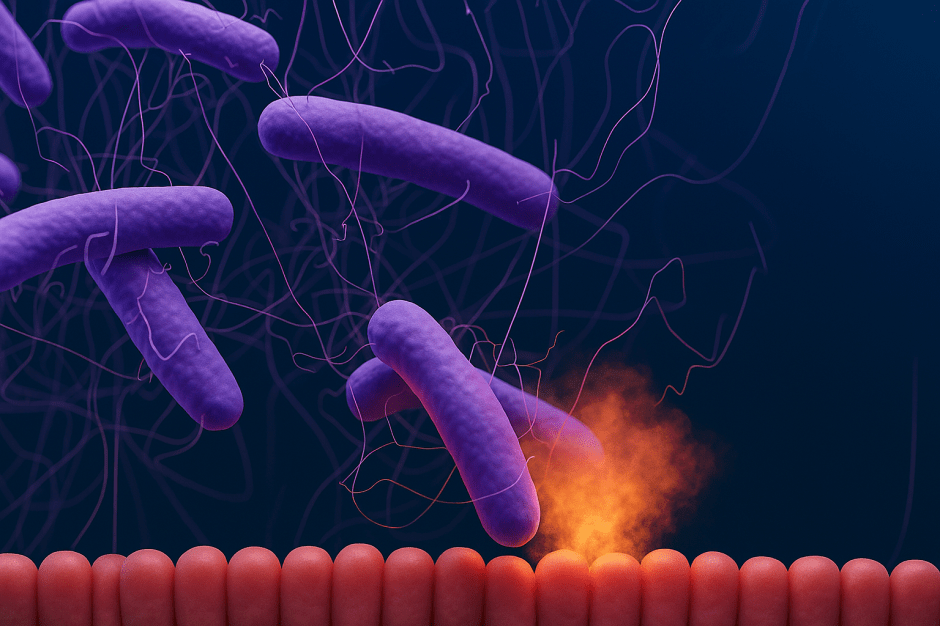
Featured image: Bing image creator








 micro-bites.org