

Breaking down the microbiology world one bite at a time
Bacteria are on the Case
Transplantation has rescued millions of lives around the globe. While organ transplantation is well-known, a novel therapy is emerging in which scientists transplant microbes from a healthy donor to a patient to control a disease – known as microbial transplantation.
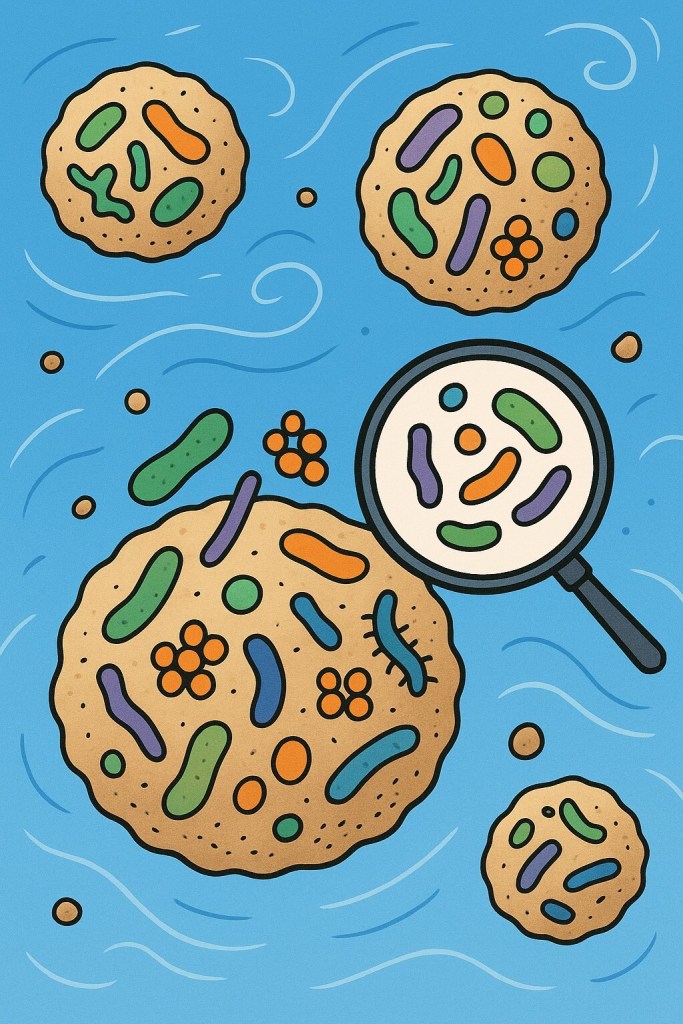
Our bodies host various microbial communities in different parts, such as in the gut, nose, eye, and vagina. For decades, scientists have been focusing on exploring gut bacterial communities, untangling their interactions, and studying how these tiny bugs affect our health. A breakthrough in this field was the success of controlling Clostridiodes difficile infection by transplanting the stool of a healthy donor to the patient (study). The transplanted healthy bacterial community was able to outcompete the pathogen without the need for antibiotic uptake. The success of this protocol has inspired other researchers to ask whether this can also be applied to other parts of our bodies, such as the nose. If proven effective, this would create a new avenue for replacing antibiotic treatment (Figure 1). This article sheds light on a recent trial of nasal bacterial transplantations, discussing the pros and cons of the technique, as well as highlighting the gaps in our knowledge that still need to be fulfilled.
Our nose is a home to diverse bacterial species like Corynebacterium, Streptococcus, Staphylococcus, Moraxella, and Haemophilus. However, the composition of the nasal bacterial community is highly variable – it differs from one individual to another and even changes throughout our lives. Thus, the species that we host in our childhood changes after maturity. These changes depend on many factors like environment, disease, and medication use.
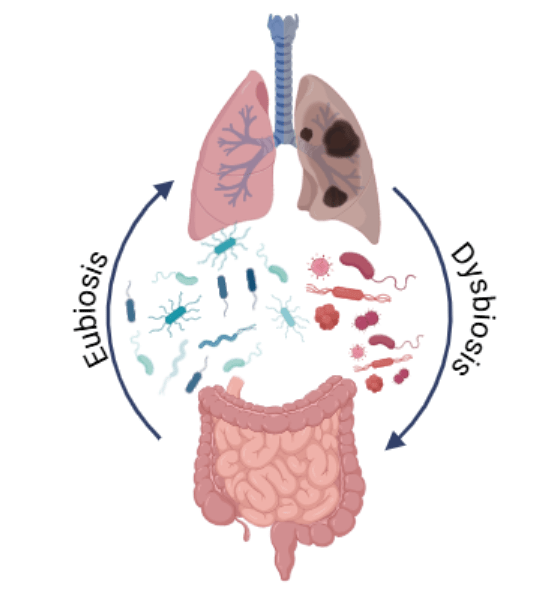
Because of the wide variation, defining a universal healthy nasal microbiota community is quite challenging. While many of the nose inhabitants are harmless, others are found to be pathobionts – native nasal bacteria that become pathogenic and induce disease when the balance of the microbial community is disturbed. This imbalance in the diversity or composition of a bacterial community is known as dysbiosis and is frequently associated with various diseases like Chronic Rhinosinusitis (CRS).
In the USA, from 1 to 5% of the population is diagnosed with CRS, and suffer for three consecutive months from at least two of the following four symptoms: facial pain, anosmia, as well as nasal drainage and obstruction. Interestingly, patients with CRS without polyps were found to have a higher prevalence of certain species (study), while those who had polyps showed a decrease in the relative abundance of other species (study). This motivates us to ask, can nasal microbial transplantation restore the balance of a disturbed community and treat the infection?
A recent study has been published by Mårtensson and his colleagues in which they tested the efficiency of nasal bacterial transplantation in treating CRS patients without polyps. The cohort includes 22 patients who have been treated with antibiotics for 13 days before transplantation. The antibiotic treatments disrupt the microbial community, which helps with transplantation. Patients received the healthy nasal bacterial community through the intranasal route for 5 days (Figure below).
Yep ….It worked
The results were promising: (i) the patient reported a significant improvement in CRS symptoms for three months after the transplantation. (ii) The post-treatment analysis of patients’ microbial communities showed a significant increase in diversity and abundance. (iii) level of anti-inflammatory cytokine decreased, which presents in higher concentration in CRS patients without polyps. Thus, the results indicate a reduction of the nasal mucosal inflammation and, ultimately, the success of the nasal bacterial transplantation trial.

Yet!!
While the obtained results are promising, more efforts and knowledge are still needed to optimize this technique. Two patients had adverse side effects after transplantation. One of them had a fever and cough, while the other suffered from sinus inflammation. Fortunately, both cases were successfully resolved.
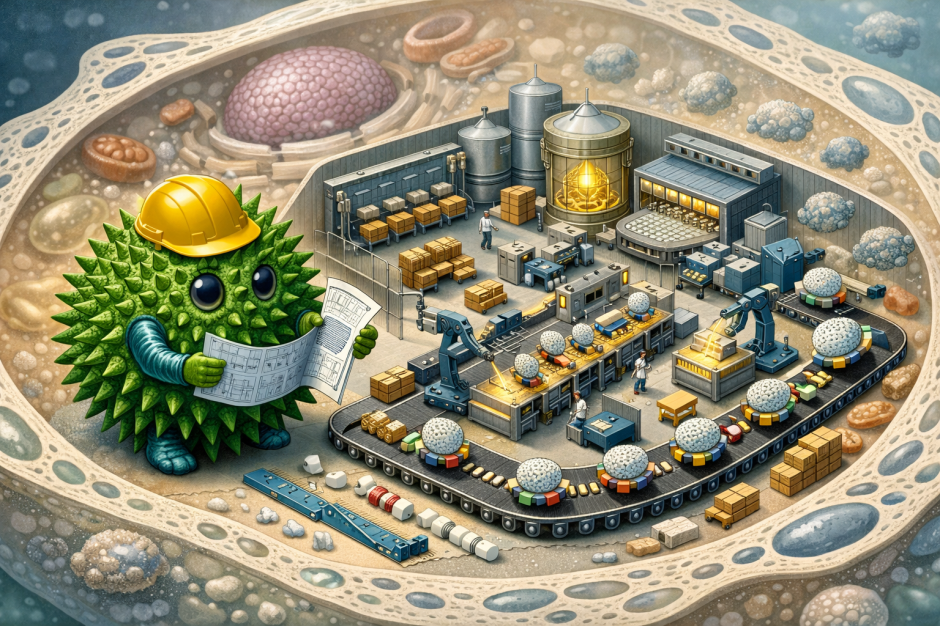
The reason for this side effect is that the transplanted bacterial communities are complex and contain not only bacteria but also metabolites, postbiotics, and host-produced compounds like cytokines and chemokines. This complexity makes it difficult to control which components are beneficial and which might trigger unwanted side effects. Fortunately, two innovative solutions are present, which mainly depend on decreasing the complexity of the transplant material.
Solutions:
The first solution is transplanting a synthetic community instead of a natural microbial one. Synthetic communities contain few species that are beneficial and required to restore the balance. This approach would allow us to avoid the adverse results that might result from other pathobionts or components of the natural nasal microbial community.
The second solution is the use of the nasal-sterile-filtrate technique, in which the bacterial community is not transplanted directly but rather is filtered after sterilization. Interestingly, this technique has shown success in a gut microbiota study, where it was found that sterile fecal filtrate from a healthy donor was effective and eliminated the disease symptoms.
It is truly fascinating how scientists are exploring creative solutions in their labs, paving the way for developing novel therapies. Ultimately, microbial transplantation holds great potential as an alternative innovative solution for replacing antibiotics, notably for treating CRS patients and combating antibiotic-resistant strains.
Link to the original post: Nasal microbiota transplantation: a gateway to novel treatments.” Shekhar, Sudhanshu et al. Trends in microbiology vol. 33,3 (2025): 264-267.
Featured image: Made by the author






 micro-bites.org