
Breaking down the microbiology world one bite at a time
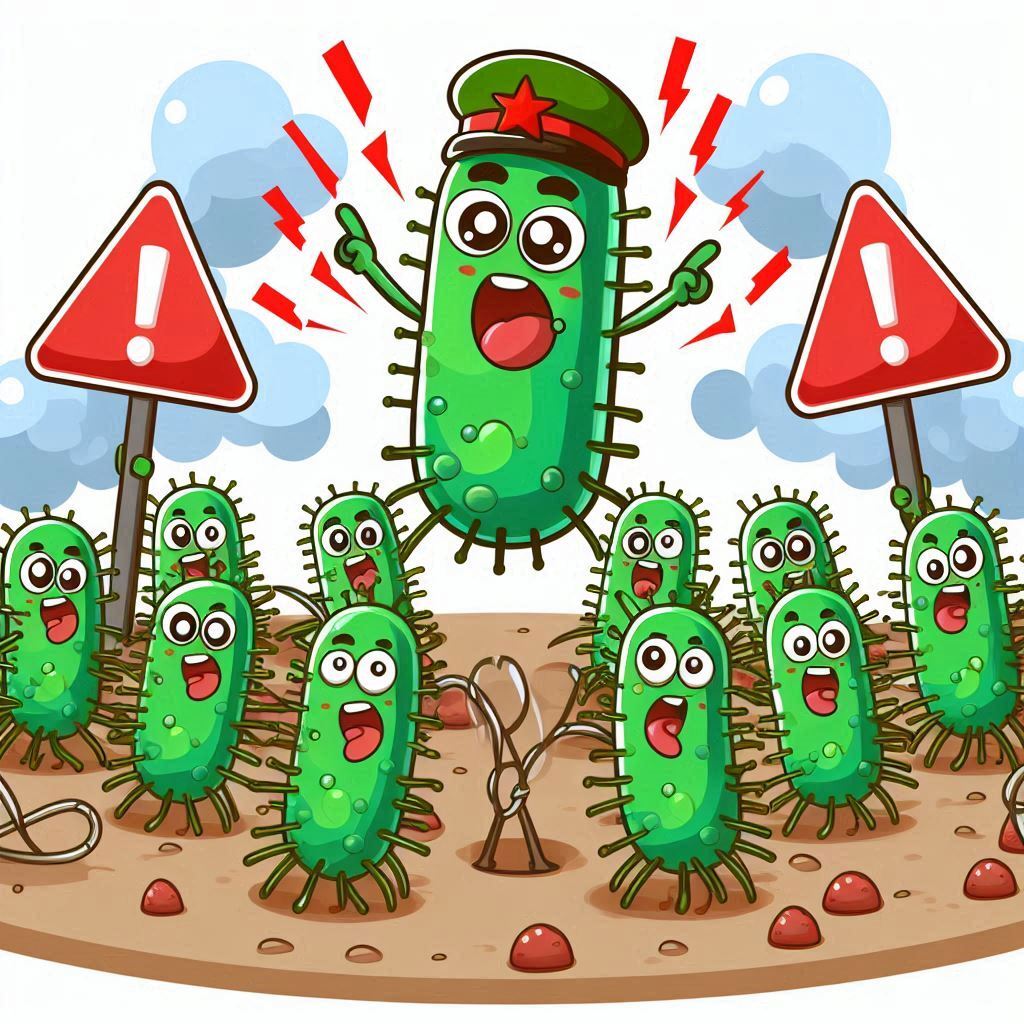
Danger signals: bacteria getting ready for hard times
Prevention is one of the most effective survival strategies for living organisms. For example, when we get sick, pathogens enter our bodies and damage various cells and tissues. However, the immune system recognizes these pathogens and generates specific antibodies against them. Thus, the next time the same pathogen invades our bodies, we are prepared to attack more efficiently. Such a preventive strategy helps us avoid getting sick again. Before severe weather events such as hurricanes, tornadoes, or snowstorms, we receive warnings about the impending danger along with recommendations on how to prepare. These typically include stockpiling food and water and staying indoors. By following these recommendations, we help to prevent loss of life and minimize property damage. Similarly, all forms of life have developed preventive strategies to ensure survival and protect themselves in hazardous conditions.
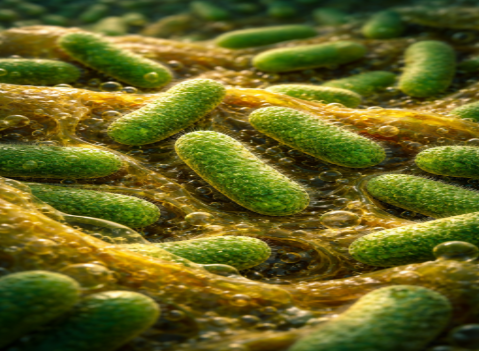
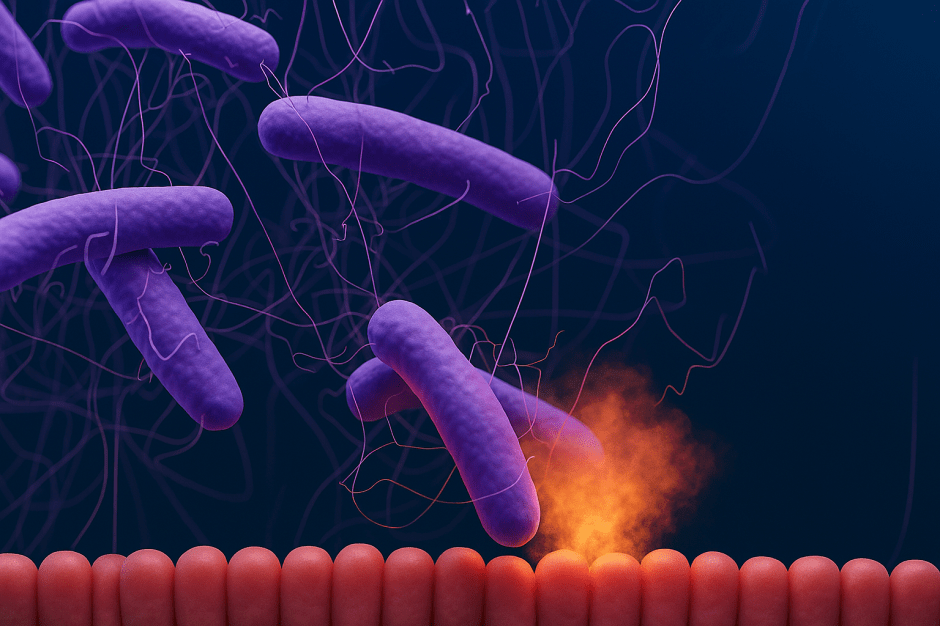
In bacteria, stressful or hazardous conditions trigger the formation of biofilms—strong, multilayered structures of interconnected bacteria that enhance survival. These biofilms form when bacteria are infected by bacteriophages (viruses that destroy bacteria) and help prevent bacterial destruction, even though bacteria are susceptible to the infection. However, how bacteria decide when to trigger biofilm formation was not well understood. A recent study by Sanika Vaidya showed that bacteria trigger biofilm formation as a response to damage signals.

Image source: Image modified from Sanika et al., 2025
Sanika found that when Vibrio cholerae bacteria are infected by bacteriophages or exposed to hazardous conditions, they share one common outcome: bacterial lysis (cellular breakdown). They added lysate bacteria to live bacteria and discovered that lysed bacteria stimulate biofilm formation. Since peptidoglycan (PG) is one of the most abundant components of bacteria and plays a crucial role in bacterial cell walls, the researchers hypothesized that PG is the molecule responsible for triggering biofilm formation, by serving as a danger signal. They confirmed this hypothesis by adding PG to live bacteria, which triggered biofilm formation. To uncover the molecular mechanisms, the team performed a transcriptomic analysis (the study of all transcriptionally activated genes in an organism under specific conditions) in Vibrio bacteria exposed to PG. They found that after PG exposure, several biofilm matrix-related and bacteriophage-defense genes were upregulated. This indicates that PG triggers the mechanisms of defense.
Since peptidoglycan from dead bacteria serves as a signal to warn live bacteria of danger, the scientists added bacteriophages to PG-exposed live bacteria. They found that biofilms induced by PG exposure protect against bacteriophage infection, indicating that this danger signal warns bacteria about hazardous conditions and helps them prepare, much like how we prepare after receiving a weather alert to minimize risk.
Vibrio cholerae is a human pathogenic agent. A previous study has shown that this bacterium kills human macrophages (immune cells) by forming biofilms. This could occur because human immune cells attack V. cholerae, most likely leading to bacterial damage, which in turn activates biofilm formation and bacterial defense mechanisms that kill the macrophages. These studies are a good example of how basic science works. Two independent research groups found explanations for different phenomena and identified a common mechanism that explains each other’s findings.
Featured image: Bing Image creator





 micro-bites.org