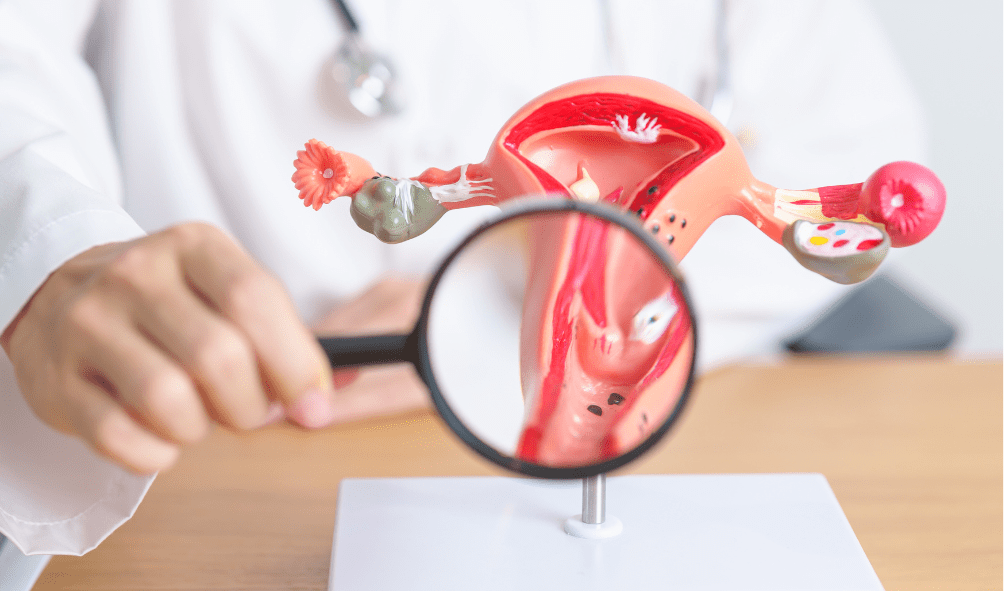

Breaking down the microbiology world one bite at a time
Female gut: Superpower or reproductive trouble?
“Endometriosis is more than just painful periods”
The uterus is an organ in the female reproductive system where the baby develops until it is born. When tissues similar to the endometrium (inner lining of the uterus) start growing outside the uterus, for example in the ovaries, fallopian tubes, and pelvis, a condition known as endometriosis develops. A report from the WHO in 2023 states that ~ 10% of females of reproductive age worldwide suffer from endometriosis. This complex condition is not only painful but also severely affects the quality of life of women due to fatigue, depression, and anxiety. The most common complication of endometriosis is infertility, i.e., a condition where it is difficult or impossible to get pregnant. Multiple determining factors, including hormonal impacts, environmental factors, immunological components, and different genetic and epigenetic changes, are probably responsible for endometriosis.

The gut microbiome exists naturally in the body and is critical to the host’s health. Any imbalance in the composition and abundance of these microorganisms can result in various diseases. Genes encoding estrogen-metabolizing enzymes are present in some gut bacteria, and these genes may control the amount of estrogen in the blood. It is possible that the gut microbiota could play a role in the development of endometriosis given the clear correlation between estrogen and the beginning and progression of endometriosis.
The year 2024 has witnessed a large number of Mendelian randomization (MR) studies to unravel the relationship between the gut microbiome and the female reproductive system, leading to disorders such as endometriosis and infertility. MR studies use genetic analysis to investigate the causative effects of potential risk factors (exposure) on a particular health condition (outcome). This article discusses the results of a few different studies published throughout 2024 establishing the role of some specific gut microbiomes in the onset of endometriosis.
Study 1: The results of a study conducted by Wang, Li, and Ha revealed that members of the genus Actinomyces were associated with an increased risk of infertility associated with endometriosis.
Study 2: Dang and his colleagues identified positive associations between endometriosis and the members of the order Bacillales, the family Prevotellaceae, and genera Anaerotruncus, Oscillospira, and Olsenella.
Study 3: A study by Su and his team of researchers also stated that the bacterial genera Anaerotruncus, Olsenella, and Oscillospira were linked to the occurrence of endometriosis. Further tests conducted showed that certain bacteria significantly affected the amount of triglycerides (a type of fat that circulates in the body), which showed causal effects on endometriosis.
Study 4: Tang and coworkers stated that the members of the phylum Cyanobacteria, orders Burkholderiales and Bacillales, family Lactobacillaceae, and genus Faecalibacterium were associated with a high risk of endometriosis. They concluded that Cyanobacteria were positively related to the cases of ovarian, pelvic and vaginal endometriosis.
Study 5: Research conducted by Tang and colleagues observed that different genera of gut microorganisms were associated with endometriosis at different sites in the female body: Blautia genus for ovaries, Aldercreutzia and Ruminococcus genera for fallopian tubes, Tyzzerella3 for vagina, Escherichia-Shigella genus for pelvis, and Intestinimonas, Lachnospiraceae, Lactococcus, Oscillospira, Phascolarctobacterium, and Ruminococcaceae genera for intestine. Further, a co-occurrence of endometriosis and infertility was found to be associated with the Actinomyces genus.
Study 6: The study by Guo and his team of researchers pointed towards the correlation between gut microbiota and the development of endometriosis. They showed that the endometriosis biomarkers were positively correlated with the orders Burkholderiales and Sphingomonadales. These gut microorganisms were found in abundance in cases associated with endometriosis.
Study 7: According to Hua Yang, certain genera of the gut microbiome, including Dialister, Enterrorhabdus, Eubacterium, Methanobrevibacter and those that belong to the order Selenomonadales and the class Negativicutes were associated with a high-risk of endometriosis. Similar results were obtained when high concentrations of substituted glycerophosphocholines (an important chemical compound that naturally circulates in the body) were found.
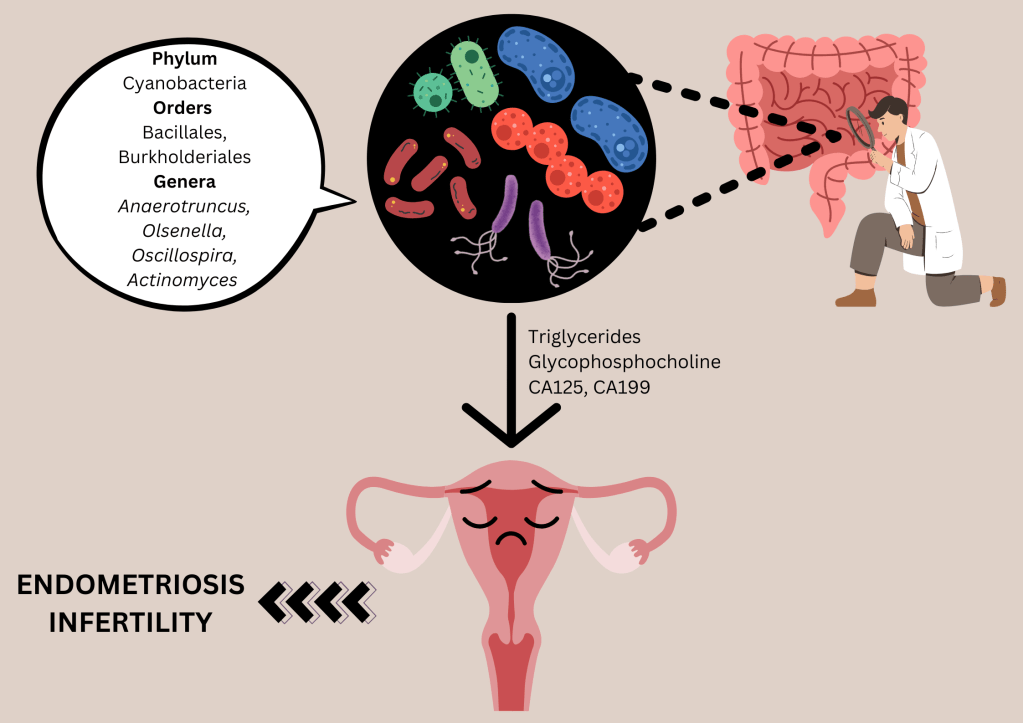
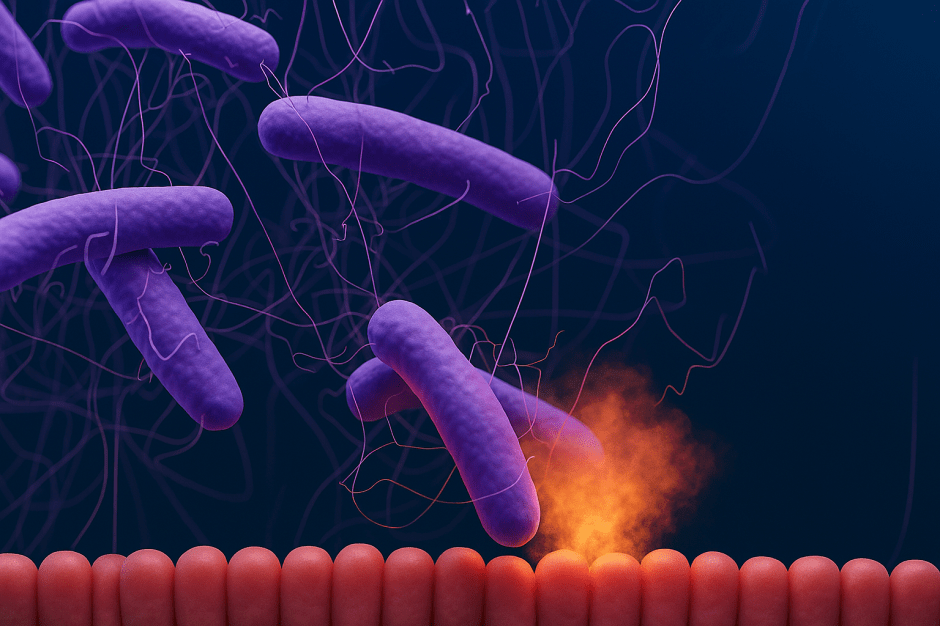
(Created by the author using Canva)
These studies point towards the role of the gut microbiome in endometriosis and associated infertility in women. Their results necessitate a better understanding of the role of gut microbiome in female reproductive health. Currently, endometriosis has no known cure, and the goal of treatments is often to manage symptoms. These findings act as a gateway that will open the doors for the development of new preventive and therapeutic strategies to target the gut microbiome and its effects on the female reproductive system.
So, always remember NO ONE KNOWS YOUR BODY BETTER THAN YOU. If you ever feel something out of the way or abnormal in your body, especially during periods, visit your doctor.
Link to the original post: H. Yang. Gut microbiota, circulating metabolites and risk of endometriosis: A two – step Mendelian randomization study. Polish Journal of Microbiology, 73(4), 491 – 503, December 2024. DOI: 10.1186/s12944-024-02096-y.
Featured image: Canva photos
ADDITIONAL SOURCES:
J. Guo, X. Yan, L. Han. The potential role of gut microbiota in the occurrence and development of endometriosis. Frontiers in Cellular and Infection Microbiology, 14, 1454931, October 2024. DOI: 10.3389/fcimb.2024.1454931.
Y. Wang MM, W. Li MM, C. Ha MD. A large – scale causal analysis of gut microbiota and endometriosis associated infertility. A Mendelian randomization study. Medicine, 103(12), e37383, February 2024. DOI: 10.1097/MD.0000000000037383.
C. Dang, Z. Chen, Y. Chai, P. Liu, X. Yu, Y. Liu, J. Liu. Assessing the relationship between gut microbiota and endometriosis: A bidirectional two – sample Mendelian randomization analysis. BMC Women’s Health, 24, 123, February 2024. DOI: 10.1186/s12905-024-02945-z.
C. Su, S. Wang, J. Ding, G. Ni, H. Ding. Blood lipids mediate the effects of gut microbiome on endometriosis: A mendelian randomization study. Lipids in Health and Disease, 23, 110, April 2024. DOI: 10.1186/s12944-024-02096-y.
T. Cao, Y. Wang, S. Huimin. Causal effects between gut microbiota and endometriosis: A two – sample Mendelian randomization study. Journal of Obstetrics and Gynaecology, 44(1), 2362415, June 2024. DOI: 10.1080/01443615.2024.2362415.
Y. Tang, J. Yang, F. Hang, H. Huang, L. Jiang. Unraveling the relationship between gut microbiota and site – specific endometriosis: A Mendelian randomization study. Frontiers in Microbiology, 15, 1363080, July 2024. DOI: 10.3389/fmicb.2024.1363080.











 micro-bites.org