
Breaking down the microbiology world one bite at a time
Microwaves under the microscope
Microbes are masters of survival, thriving in some of the most extreme environments on Earth—think acidic acid mines, the desert, or icy polar regions. But you don’t have to travel far to find them adapting to strange, hostile places.
Surprisingly, some of our most common devices, like coffee makers and dishwashers, have distinct microbial communities. Now, researchers are focusing on an unexpected microbial hotspot: the microwave. While we think of microwaves as bacteria-killing heat machines, the intense bursts of heat and radiation could actually help certain bacteria adapt to survive in this unique environment.
In a recent study, scientists examined bacteria living in microwaves used at home, in shared kitchens, and in labs. They’re asking: Do microwaves host their own “microwave microbiome,” shaped by repeated cooking, radiation, and daily use? Understanding how these microbes adapt to our appliances might reveal new insights into microbial survival, showing us just how resilient life can be—even in the heart of our kitchens!
The study involved 30 microwaves (10 from each type of setting): First, the researchers swabbed the inside of the microwaves and cultured the bacteria on different growth media to see who lived there. They found that many bacteria isolated from the microwaves belonged to genera commonly associated with human environments.
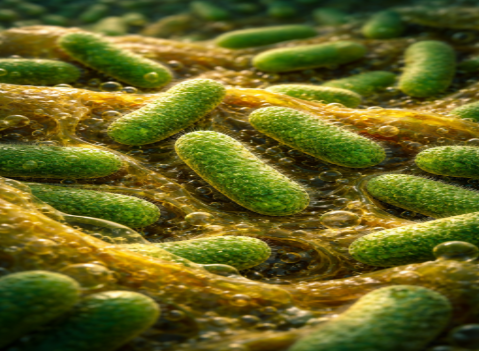
Genera such as Bacillus, Micrococcus, Staphylococcus, and Brachybacterium were frequently identified in all microwaves. These are common bacteria that naturally live on human skin, which is no surprise given our frequent contact with appliances like microwaves. These bacteria are often transferred from our hands to the surfaces we touch regularly, making microwaves an ideal habitat for them.
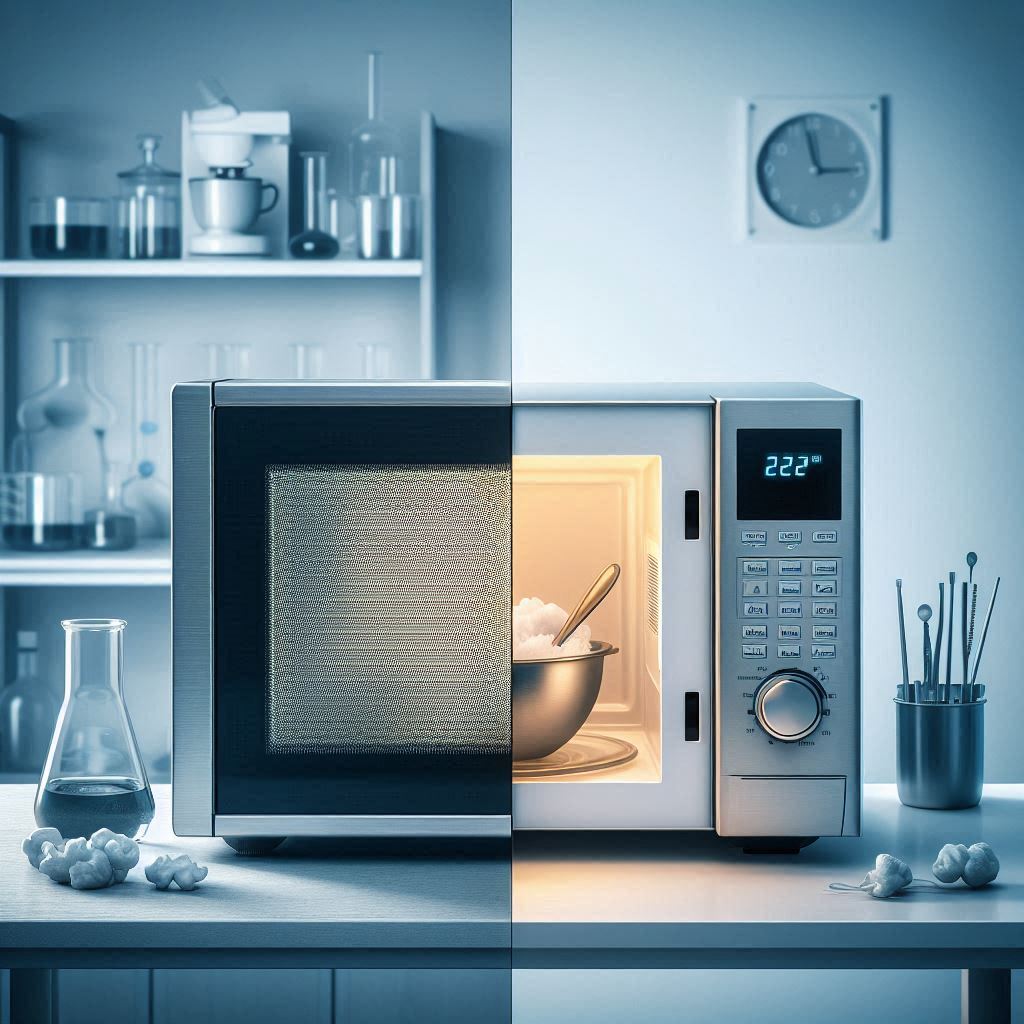
Despite these commonalities, the study also revealed distinct differences in the microbial communities between domestic and laboratory microwaves. Household microwaves, which are primarily used for cooking, were enriched with food-related bacteria. They reveal that food-related bacteria such as Shewanella and Enterobacter, often linked to food spoilage, are abundant in household microwaves. These bacteria can multiply if food residues are left behind, potentially leading to contamination. On the other hand, laboratory microwaves, which are not used for food but rather for heating biological samples and chemical reagents, showed a very different bacterial profile.
The main reason for the differences in the bacteria found in these microwaves could be their tough conditions. Laboratory microwaves are used for longer heating times and are exposed to stronger radiation than household microwaves. This likely favors bacteria that can survive in such harsh settings, such as Chloroflexi (found in hot, nutrient-scarce soils and sediments) and a type of Cyanobacteria (found in arid or irradiated environments, such as desert crusts or high-altitude regions with intense sunlight).
Surprisingly, compared to kitchen microwaves, these laboratory microwaves had a more similar microbial profile to environments exposed to high radiation levels and low organic matter, such as solar panels. Genera such as Deinocuccus, Micrococcus and Hymenobacter are typically found on both solar panels and microwaves.
This study underscores how microwave radiation, food residues, and usage patterns influence the microbial ecosystems within these appliances. A distinct difference emerged between the bacterial communities in household and laboratory microwaves. Household microwaves, primarily used for cooking, were rich in food- and skin-related bacteria, reflecting their everyday role. In contrast, lab microwaves, exposed to harsher conditions like intense heat and prolonged radiation, were dominated by bacteria capable of withstanding extreme environments.
But what does this mean for you? These findings not only shed light on the microbial life inside our microwaves but also highlight the importance of regular cleaning to reduce potential health risks from harmful bacteria. Furthermore, understanding the adaptive mechanisms of these bacteria could open doors to biotechnological applications, offering insights into microbial resilience and survival under extreme conditions.
Link to the original post: Iglesias A, Martínez L, Torrent D and Porcar M (2024) The microwave bacteriome: biodiversity of domestic and laboratory microwave ovens. Front. Microbiol. 15:1395751. doi: 10.3389/fmicb.2024.1395751
Featured image: Bing image creator








 micro-bites.org