
Breaking down the microbiology world one bite at a time
Is mouse chow nutritionally sufficient?
Soluble fiber, found in fruits and nuts, is an important component of a well-rounded diet including aiding in digestive health, blood sugar control, heart health, etc. Insoluble fiber, found in whole wheat and whole grain products, helps to bulk up stools and speeds up the movement through the digestive tract to prevent constipation. Consuming a diet with deficits in soluble fiber can lead to increased susceptibility to pathogens as gut microbes have to then extract energy from the colonic mucus barrier as opposed to fermenting soluble fibers to short-chain fatty acids. As a result, the intestinal microbial community is highly influenced by soluble fibers.
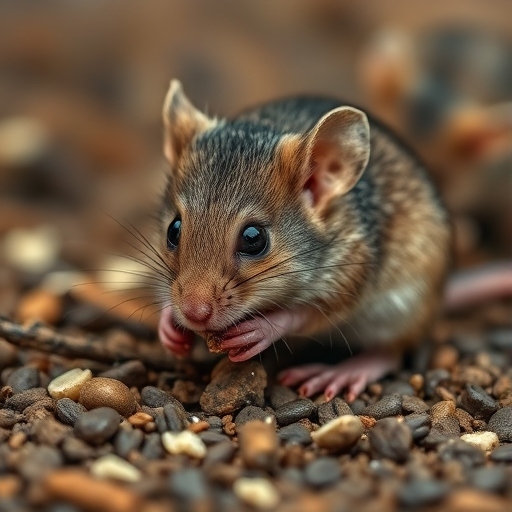
Mice used in preclinical experiments are fed one of either two diets: GBD (grain-based diet) or PD (purified diet). GBDs, also known as chow, are a conglomerate of many different agricultural and animal by-products meaning that the ingredient composition and subsequent nutrient composition will vary from batch to batch. The two most common ones being LabDiet 5001 and Teklad 2020X. In contrast, PDs are highly defined diets that contain a precise amount of each ingredient meaning the nutrient composition from batch to batch is stable. However, the most used PDs contain only 5% total fiber as cellulose which is an insoluble fiber and has been found to increase fat stores and alter GI structure in mice compared to those fed a GBD.
Many rodent studies will employ PDs to study obesity or cardiovascular disease, but feed the control group mice GBDs. This introduces the potential of a confounding variable in preclinical experiments. To promote better gut health and diversity among microbes as well as promote normal GI morphometry, scientists looked to find a proper diet to feed mice when used in preclinical experiments. Mice in these experiments were fed 2 different GBDs and 4 different PDs with varying levels of soluble and insoluble fibers as detailed in the table below.

Interestingly, mice fed a GBD or PD lacking soluble fiber (100C – left side in the table) demonstrated the greatest microbial diversity within the cecum (beginning of the large intestine) and colon. Mice fed a 100C diet had the longest small intestines followed by those fed LabDiet 5001 (a GBD). Also interesting, but the other GBD, Teklad 2020X, did not cause less gonadal fat in mice unlike the LabDiet 5001. In addition, mice fed the LabDiet 5001 gained the least weight over the 28-day experiment process despite these mice eating more calories.
These differences highlight the importance of accounting for diet within preclinical experiment conditions.. This study demonstrates that there are stark differences in GI morphometry and gut microbial composition between GBDs and PDs that rodent diet could be a confounding variable.
No PD in this study was able to recapitulate the diverse gut microbial composition found in mice fed GBDs, but the PD with high-soluble fiber content (100C) was able to alter the GI morphometry similar to mice on a GBD. Therefore, more work needs to be done to formulate a PD with the right amount of soluble and insoluble fibers that recapitulates the GI conditions created by a GBD in order to improve reproducibility and the broader impact of rodent studies.
Featured image: DeepAI










 micro-bites.org