

Breaking down the microbiology world one bite at a time
Could Changing Microbiomes Alter Our Behaviours?
Have you ever wondered how the tiniest organisms inside us could affect something as complex as aggression? It turns out that the microorganisms inhabiting the human gut, particularly bacteria, may have a hand in regulating behaviours we often consider to be driven solely by genetics or brain chemistry. Aggression, which helps animals to defend territory, secure food, and establish dominance, is influenced by a variety of factors – but it’s not just the brain and genes at play. While hormones, neurotransmitters, and environmental factors are well-known contributors, recent research points to a fascinating link between the gut microbiome and aggressive behaviour, sparking interest among scientists exploring this new frontier in behavioural biology.
Aggression has long been associated with serotonin, a neurotransmitter produced in the body. The link between serotonin and aggression is clear in multiple species: higher levels of serotonin in the brain are associated with less aggression, while lower levels are linked to more aggressive tendencies. Interestingly, the gut plays a major role in the production of serotonin. Over 90% of the body’s serotonin is produced in the gastrointestinal tract, which is influenced by various factors, including the gut microbiota—those trillions of bacteria, viruses, and fungi that reside in the digestive system. A recent study on mice and humans by Uzan-Yulzari et al. 2024, has shown that alterations in the gut microbiome can have a profound effect on serotonin levels, and, as a result, aggression. They have discovered that mice raised without exposure to bacteria—so-called “germ-free” mice—exhibit significantly lower levels of serotonin in their bodies than their counterparts who have normal microbial exposure. Similarly, treating animals with antibiotics, which alter the composition of the microbiome, also changes serotonin levels and can lead to altered aggression. However, the results of the study aren’t entirely consistent. While some animal studies show reduced aggression following antibiotic treatment, others report the opposite. This variation suggests that the relationship between the gut microbiome and aggression is complicated, and different factors such as the type of bacteria, the specific antibiotics used, or the timing of treatment may all contribute to these different outcomes.
The gut-brain axis—a two-way communication system between the gut and the brain adds another layer to this complexity. This system allows gut bacteria to influence brain chemistry and vice versa. While much of this research is still in its infancy, there are signs that the gut microbiome could be playing a significant role in regulating social behaviours, such as aggression, across a range of species, including fruit flies, dogs, mice, and humans. In fruit flies, for instance, the absence of certain bacteria led to decreased aggression, while in other animals, including mice similar disruptions led to increased aggression. The full mechanisms behind this are still unknown, but what is clear is that the gut microbiome is involved in some capacity.

The authors in this study highlight the early-life factors that might shape future behaviour. The use of antibiotics during infancy, for example, is common in many parts of the world, and research suggests that it could have lasting impacts on the microbiome—and thus on behaviours linked to aggression. Studies in both animals and humans have shown that antibiotic exposure during infancy can lead to long-term changes in the gut microbiome that persist for years. Research in mice has shown that early antibiotic exposure can lead to increased aggression and other behavioural problems, while similar studies in humans link early antibiotic use to behavioural difficulties, including conduct disorders characterised by aggression. Further research in humanised mice—mice that have been colonised with human gut bacteria—has provided even more evidence of the microbiome’s role in aggression. Mice that were given faecal microbiota transplants (FMT) from infants exposed to antibiotics showed increased aggression, suggesting that the gut microbiome alterations caused by antibiotics could be directly linked to behavioural changes.
Beyond serotonin, the microbiome’s influence on aggression seems to involve several other complex metabolic pathways. Metabolomics analysis done by the authors in this study—research that investigates the full array of small molecules produced by cells— have shown distinct changes in the profiles of metabolites linked to aggression. Tryptophan, an essential amino acid that is a precursor to serotonin, is one key metabolite that has been consistently associated with aggression in studies. Both human and animal research shows that variations in tryptophan levels are linked to aggression, but the direction of this relationship is still being debated. Some studies show that lower levels of tryptophan are linked to higher aggression, while others find the opposite.
Interestingly, other metabolites, such as indole derivatives produced by gut bacteria, also play a significant role in the gut-brain axis. Indoles are known to influence brain function and have been implicated in neuropsychiatric disorders such as depression. However, their role in aggression is still largely unexplored. This area of research suggests that the microbiome might influence aggression through multiple metabolic pathways, opening possibilities for metabolic interventions targeting the microbiome.
As researchers continue to explore the fascinating connections between the gut microbiome and aggression, they are left with an important question: if altering the microbiome can change behaviour, could we one day use targeted gut-based therapies to manage aggression and other social behaviours? And if so, how might this change our understanding of human behaviour, personal responsibility, and the biological underpinnings of our actions?
Link to the original post: Uzan-Yulzari, A., Turjeman, S., Moadi, L., Getselter, D., Sharon, E., Rautava, S., Isolauri, E., Khatib, S., Elliott, E., &Koren, O. (2024). A gut reaction? The role of the microbiome in aggression. Brain, behavior, and immunity, 122, 301–312.
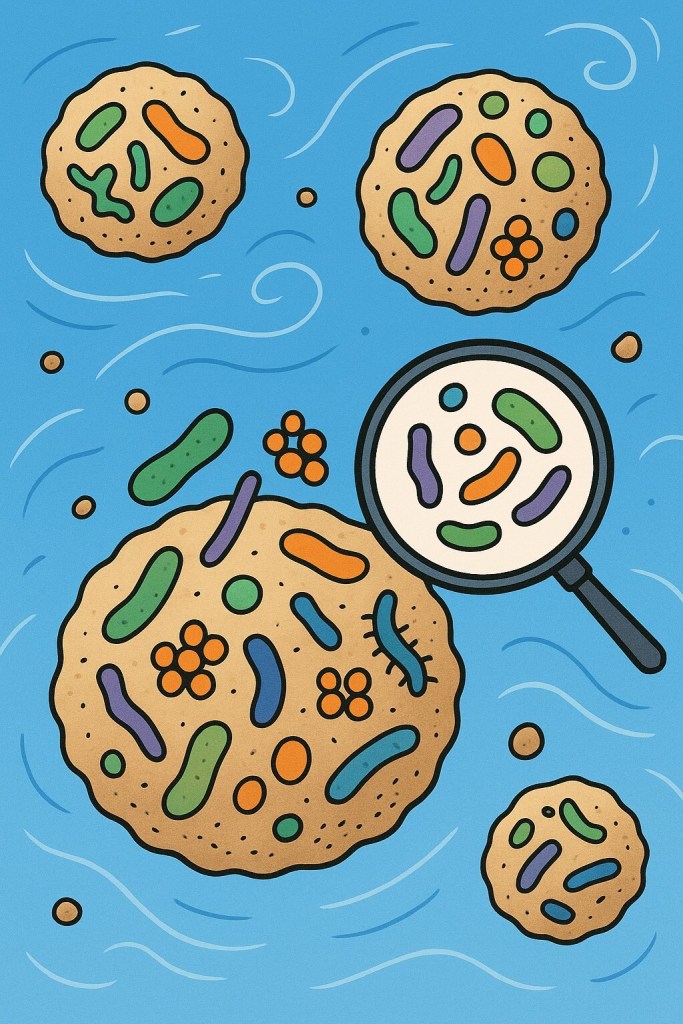
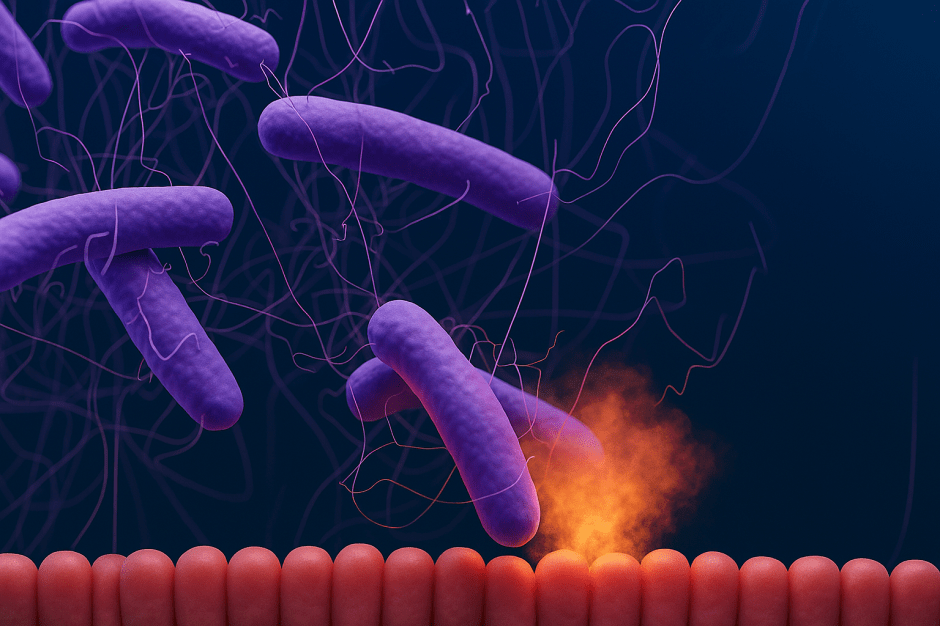
Featured image: Image Credits: ChatGPT





 micro-bites.org