
Breaking down the microbiology world one bite at a time
Searching feces for a cancer cure?
We have many microbes within us. They play an important role in our health, from maintaining our well-being to influencing diseases like cancer, where certain bad cells keep dividing. The immune system is normally tasked with controlling and fighting these bad cells but sometimes the bad cells can trick the immune system into ignoring their existence. In such situations doctors use immune checkpoint inhibitors (ICI) which target immune cells and remind them of their job to kill the bad cells. However, in some patients, the response to this therapy is only temporary- some cancer cells learn to ‘hide’ from these reactivated immune cells.
The intestinal microbes have been shown to play a role in determining whether these immune checkpoint inhibitors work. So, this led to the idea that if there is a certain composition of microbes that are good for response to this ICI therapy then maybe we can transfer these microbes from patients who are responding well to the treatment to patients who are struggling. This could enable these patients and their immune system to regain their anti-tumor activity.
To further explore this idea, researchers designed a study to transfer microbes through a process called fecal microbiota transplantation (FMT). Here, microbiota from the feces of donors is processed and transplanted via a colonoscopy to patients. In this case, the patients are suffering from different kinds of cancer that were difficult to remove surgically or were metastatic. In addition, these patients were not responsive to the ICI treatment. Before the transplantation, the patients are treated with antibiotics to wipe out their native microbiota.
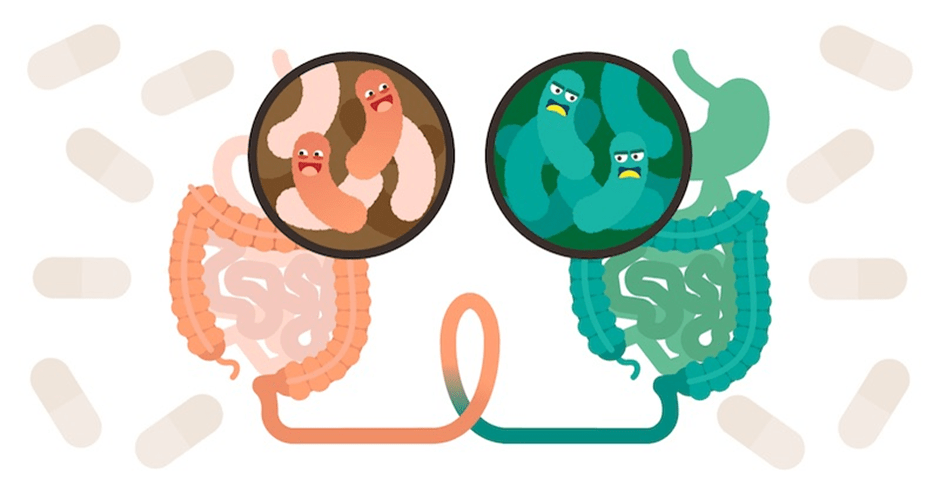
The results were promising: out of 13 patients, 5 showed stable disease and one patient had a partial response with their tumor size shrinking. The study showed that after a second FMT, there was a difference in immune cell activation. The authors wanted to look further to identify if there were specific microbes responsible for the benefits of FMT. They compared the microbiota of donor feces which resulted in disease control, to donor feces that did not. This led to the identification of Prevotella merdae to be enriched in the successful cases. On the other hand, they also saw that high levels of Bacteroides plebius or Lactobacillus salivarius were linked to a poor response to the treatment.
The researchers studied the immune response of cells to P. merdae and found that when the immune cells were engaged and activated due to the presence of the bacteria, the immune cells remembered to attack the tumor cells and were more harmful. In mouse models, combining ICI therapy with P. merdae supernatant (the bacterial products without their cells) led to better tumor control.
Thus, this study shows that the potential of FMT effectiveness can be attributed to the presence and absence of certain microbes. It needs to be understood further why these certain microbes are so influential and whether this can be extended to other tumors beyond the ones investigated here.
Featured image: Adobe Stock






 micro-bites.org