
Breaking down the microbiology world one bite at a time
Mind-Control with Iron?
Toxoplama gondii (T. gondii) also referred to as “the mind-control” parasite is an intracellular protozoa that infects numerous hosts worldwide. The “mind-control” moniker arises from the parasite’s ability to cause many behavioral and neurological modifications in these hosts including cerebral toxoplasmosis (CT) in humans. Currently, no existing drug therapies can completely eliminate the parasite once in a host, thus it typically remains within the CNS causing a chronic infection. An infected individual may be asymptomatic, but in individuals with a compromised or complete lack of an immune system, an active infection can form and lead to life-threatening Toxoplasma encephalitis (TE).
Function of Iron
Iron serves many functions within cells including energy metabolism and cell proliferation. It is essential for the function of the central nervous system. However too much is dangerous and thus a balance of iron is important for proper functioning. T. gondii itself is a pathogen that also needs iron in order to survive. In fact, numerous studies show that a T. gondii infection leads to increased iron levels in the body. A process called ferroptosis (iron-dependent cell death) is another disrupter of iron homeostasis and plays a pro-inflammatory role in the disease process.
Iron Accumulation
Upon infection of mice in this study with T. gondii, ferroptosis was found to occur within the hippocampus of infected mice. The hippocampus is the part of the brain that is responsible for learning, memory and emotion. Ferroptosis is marked by iron metabolism disorder and lipid peroxidation (fat molecules containing oxygen bonds). Upregulation of the iron uptake transporter occurred along with disruption of the iron efflux transporter thus causing an increased amount of iron intracellularly. Products indicative of lipid peroxidation were also found in increased amounts. Lipid peroxidation is dangerous as it causes extensive tissue damage.
Treatment a Possibility?
To further investigate the role of iron, if any, in the pathogenesis of cerebral toxoplasmosis, investigators treated mice with DFP. DFP or Deferiprone is an iron chelator that binds iron and promotes urinary excretion of the compound. When given to mice, iron levels in the hippocampus decreased. Markers of lipid peroxidation also reduced.
While DFP improved the pathological processes of disease progression including necrosis and inflammation, it did not seem to improve the cognitive and motor functions of the mouse. Tests used to investigate this included the Morris water maze (MWM) and spatial probe test. The MWM is a type of behavioral test used to investigate the spatial learning and memory of rodents. It involves placing rodents in a circular pool of water and having them find a hidden platform to escape. In the spatial probe test, the platform is removed from the pool and the mice have to search for it. Infected mice found the platform at a reduced rate compared to uninfected mice and this didn’t improve with administration of DFP.
Conclusion
Iron plays an important part of the pathogenesis of cerebral toxoplasmosis. Unfortunately, there is no cure-all treatment, but as demonstrated in this study, Defeprione may have some utility as a component of a treatment regimen, Further studies may be able to elicit the safety of using an iron chelator such as DFP in the treatment of CT and additional medications that can help mitigate the cognitive and motor impairments.

Link to the original post: Wang C, Xie L, Xing Y, Liu M, Yang J, Gao N, et al. (2023) Iron-overload-induced ferroptosis in mouse cerebral toxoplasmosis promotes brain injury and could be inhibited by Deferiprone. PLoS Negl Trop Dis 17(8): e0011607. https://doi.org/10.1371/journal.pntd.0011607
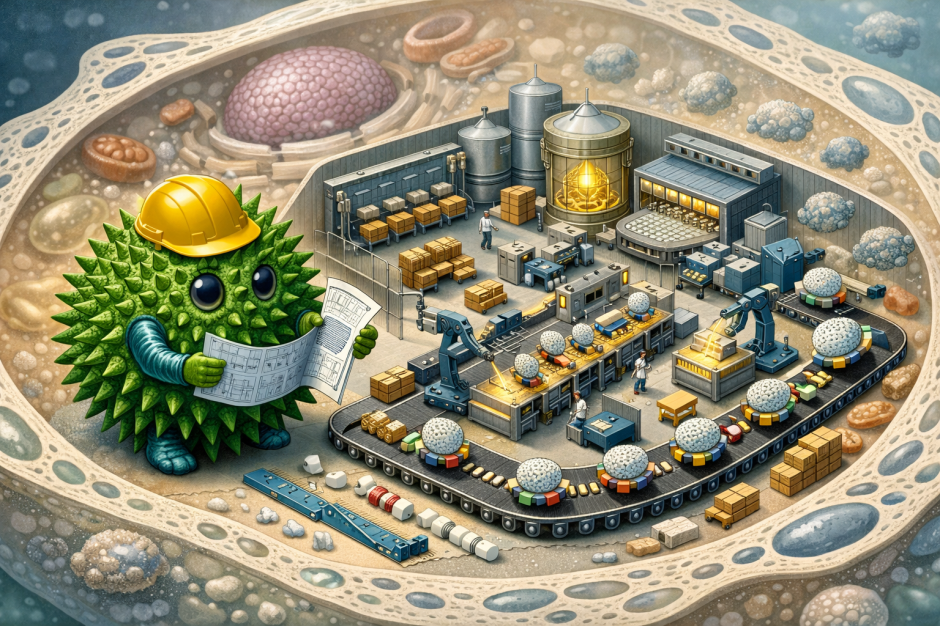
Featured image: AI Image Generator










 micro-bites.org
